
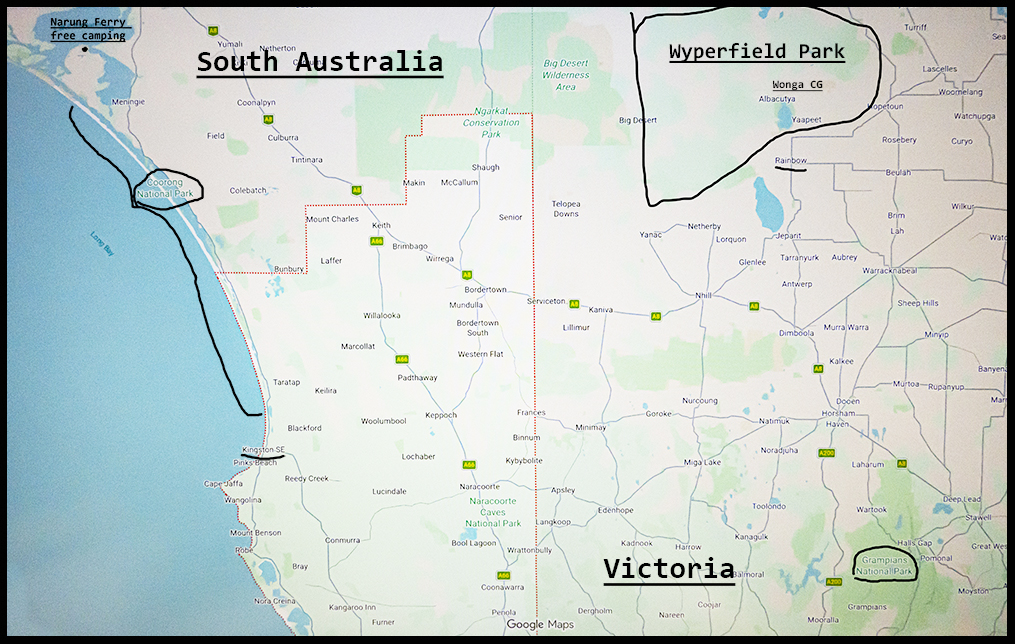
Map for most of this post
Continuing travel notes from southern Australia. First order of business if you plan to camp in OZ is to buy a printed camping manual from “Make Trax” for all campgrounds, fee or free. If you don’t want to drag along a large book and only plan to visit a small section of the large continent…download one of the free camping apps…CamperMate or WikiCamps. There are so many options you wouldn’t stumble across on your own…like the Narung Ferry Landing campground close to the mouth of the Murray River.
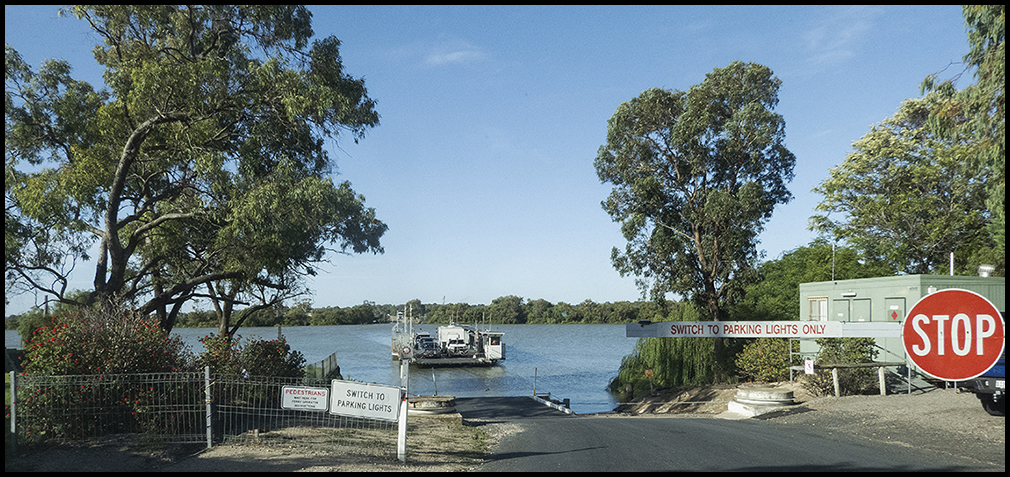
One of the free ferries operating at the mouth of the Murray River
It takes two free ferries to get to the peninsula between Lake Albert and Lake Alexandrina and the Narung campground. Some of the peninsula is reserved as Aboriginal land.
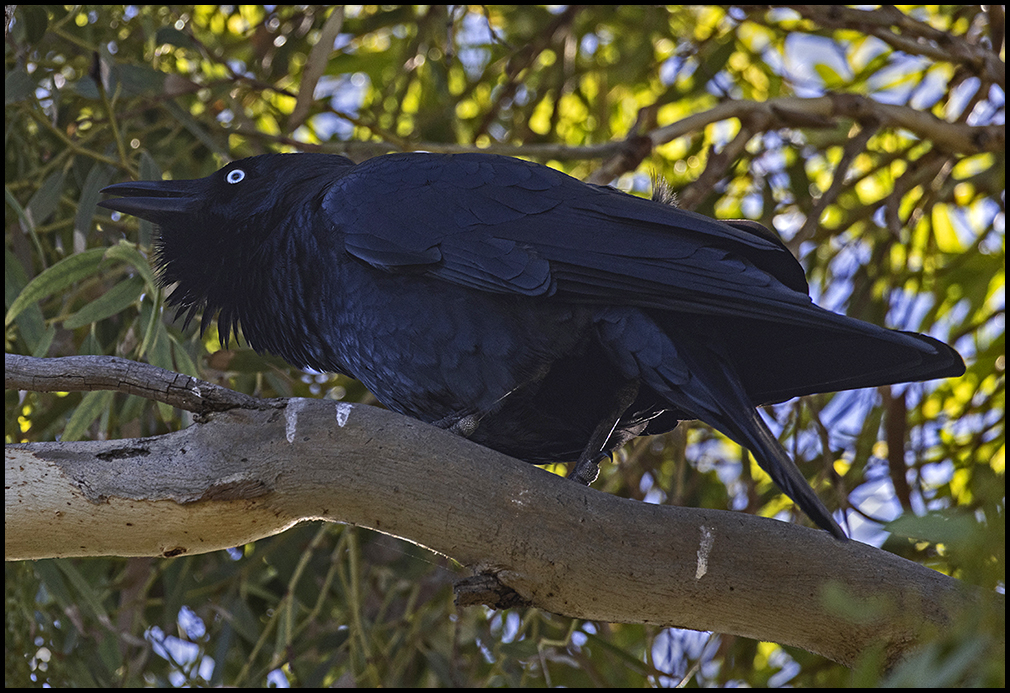
Australian ravens have the most unusual calls.
I arrived at the campground late in the day to wind and squalls. I tucked in under some trees and slept well. In the clear, blue morning I took my coffee and camera out to see what was what. Great birding followed. The ravens sound like they are wailing. So many of Australia’s birds have amazing songs. (a Youtube video of the sound if interested) https://www.youtube.com/watch?v=2f3-3XdakNk&t=42s 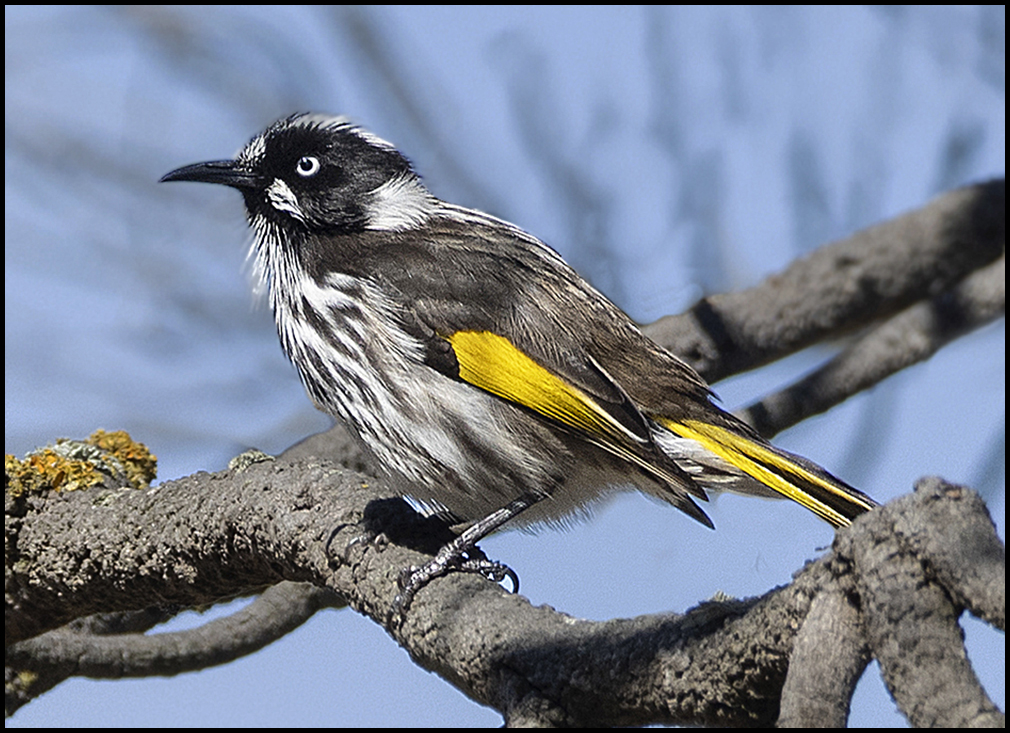
New Holland Honeyeater. These common honeyeaters are found from southern Queensland all around the coastal areas to Perth in Western Australia. Honeyeaters are one of the largest groups of birds in all of OZ.
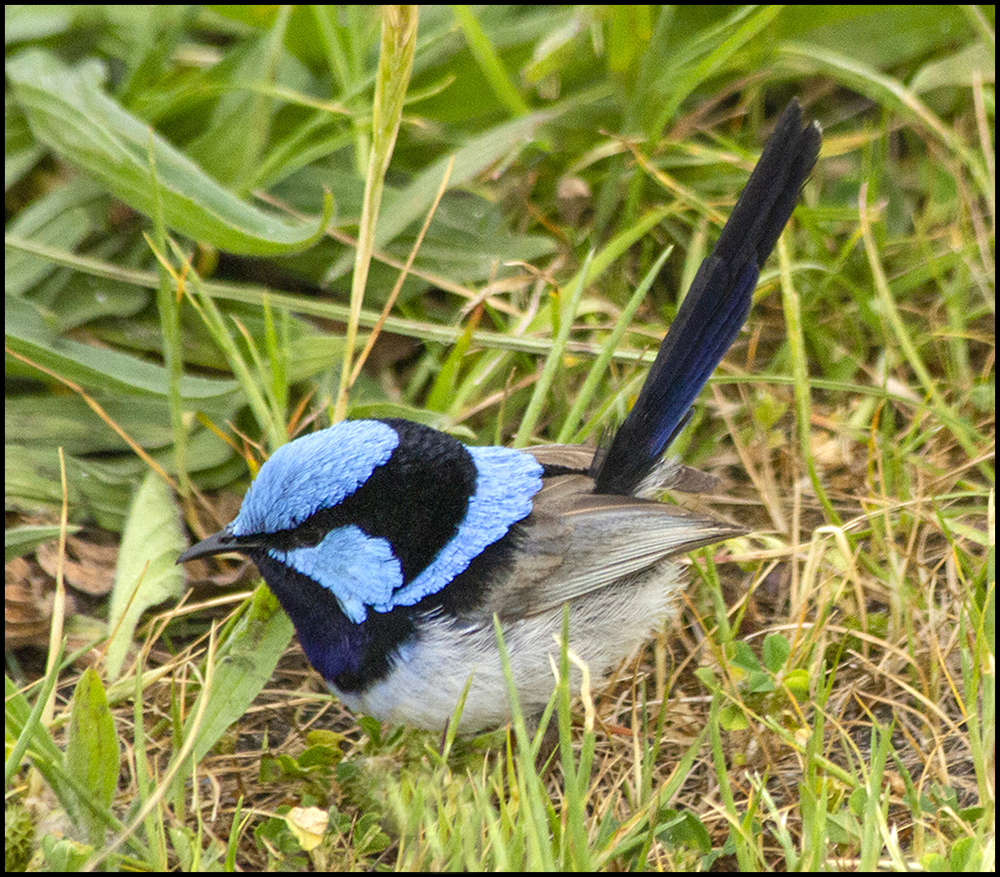
Darling little Fairy-wrens are found everywhere. This is a Superb fairy-wren male. Most of the fairy-wrens are molting into their winter plumage, but this one was still in its mating splendor.
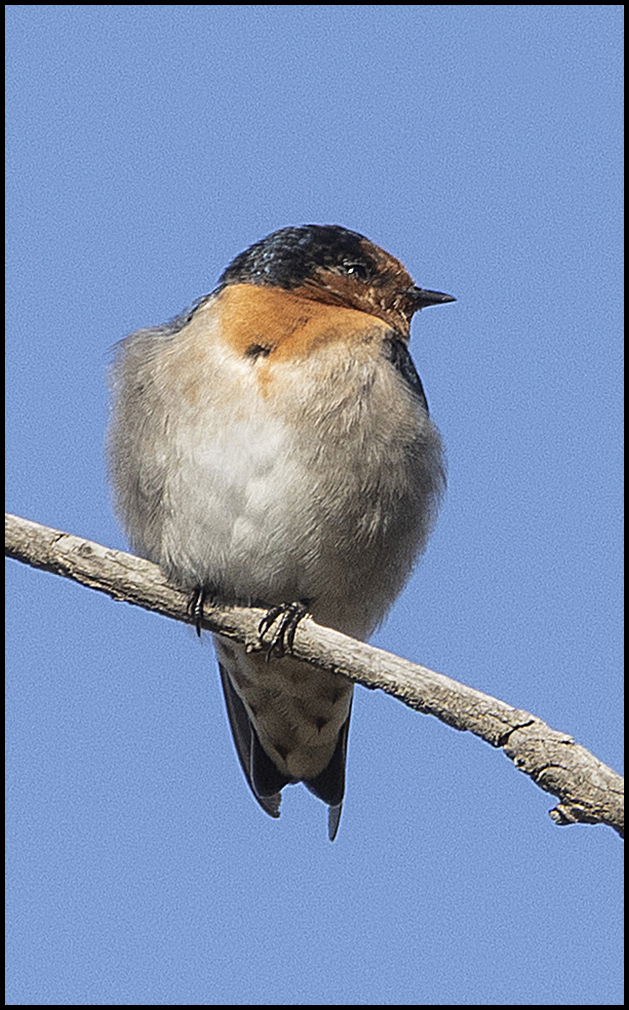
I love the common name of this swallow…Welcome swallow.
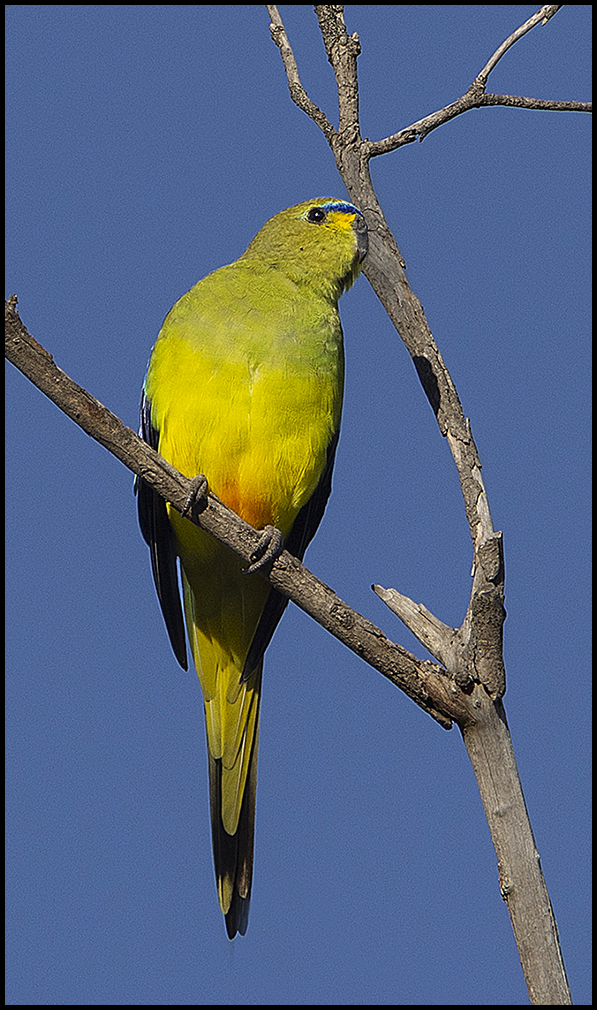
The incredibly rare Orange-bellied parrot
The orange-bellied parrot is small and endemic to southern Australia. It’s one of only three parrot species known to migrate. They breed in SW Tasmania and winter in southern mainland Australia, foraging in the coastal saltmarshes and dunes. The wild population is less than 100 birds and rated critically endangered. However, the species is slowly recovering with the help of captive breeding programs. They’ve gone from a wild population of just 14 birds in February 2017 to 91 birds in November 2025, and now there are a few more. I feel so honored to see a family of 4 returning from Tasmania.
Leaving the camp, I took the wrong fork which ended in the charming native village of Raukkan. There are several areas dedicated as aboriginal lands on this peninsula. I looked around and then left on the correct road to get to the Coorong National Park.
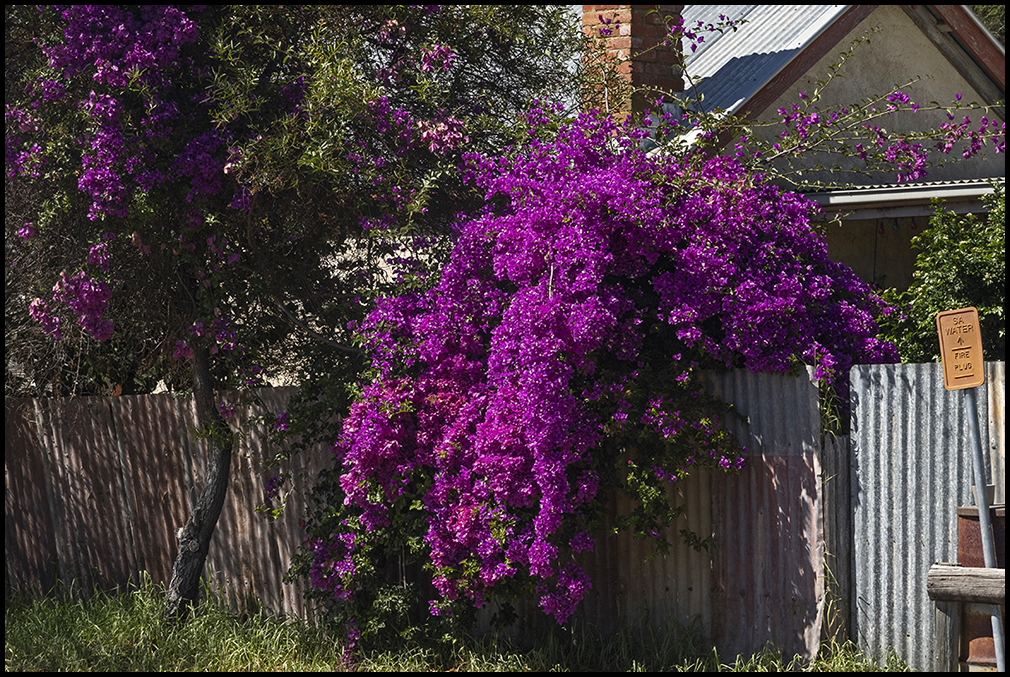
Bountiful bougainvillea in Raukkan
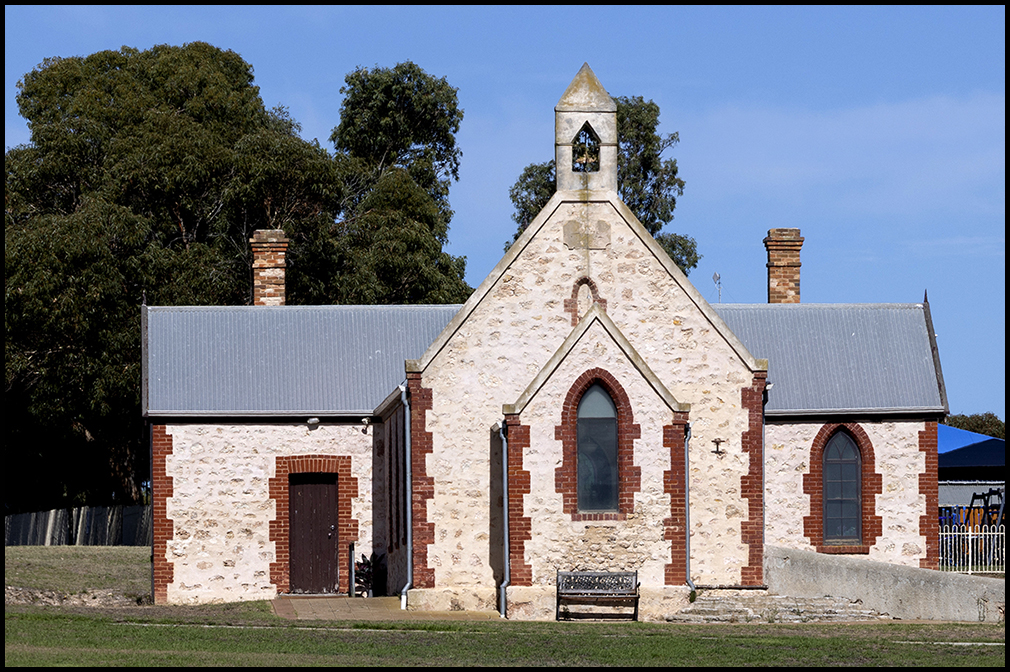
And a quaint church built of local stone.
Coorong National Park, may be the longest park in OZ. It is basically a very long sand spit running over 97 miles along a coastal system consisting of dunes and lagoons. On a previous trip we had watched a pair of emus running flat out on the beach…they are VERY fast. This time I did see a couple of emus near the road, but mostly I saw lots of pelicans.
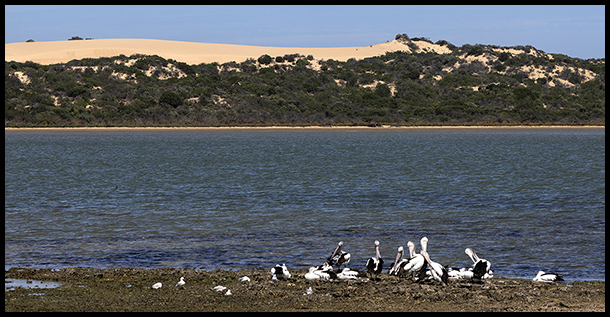
In the park a sand spit separates the inland lagoons from the ocean. The largest pelican breeding colony in all of OZ is in the park near Jack Point.
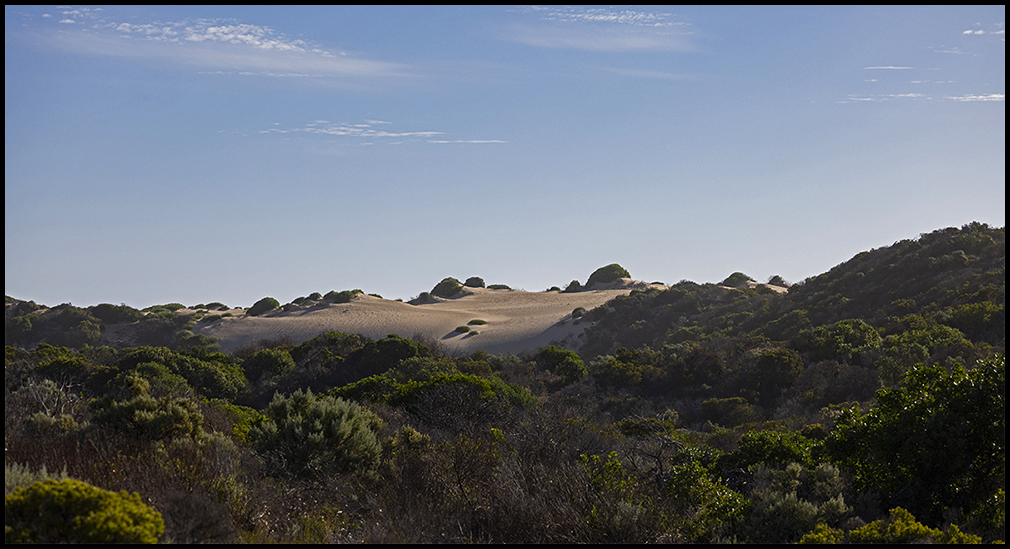
At 45-mile campground I tried to hike to the ocean through lowland scrub, but gave up before climbing the dunes. Younger hikers would have no problem.
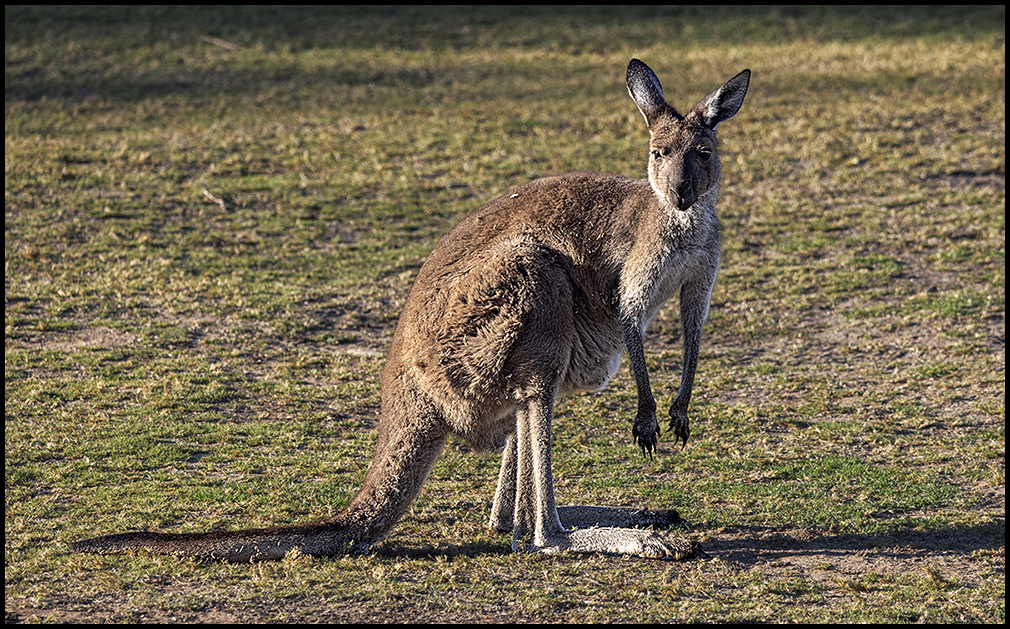
At camp I had several buddies to keep me company. They weren’t shy.
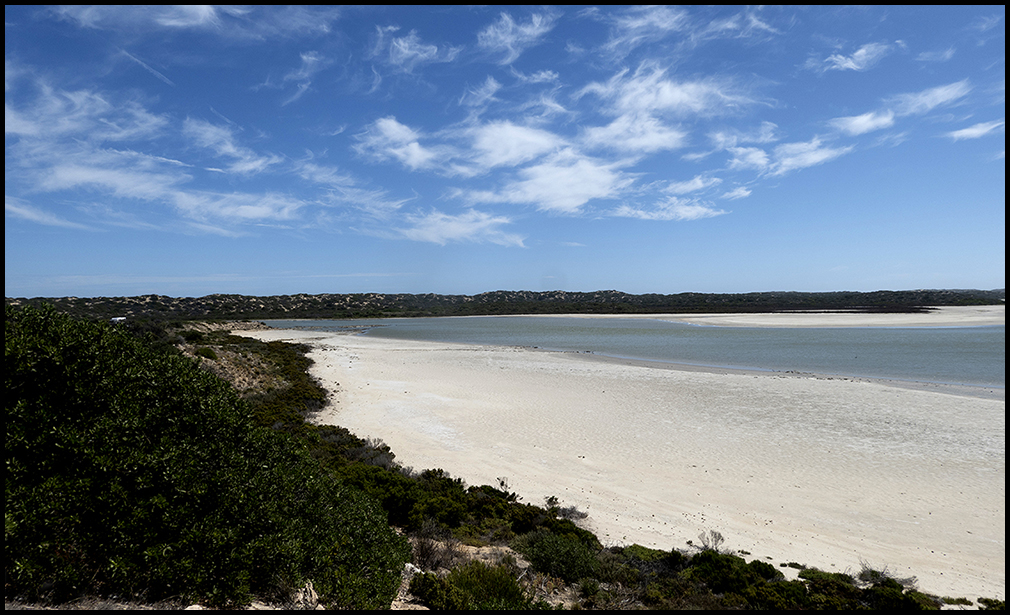
Inner beach and lagoon.
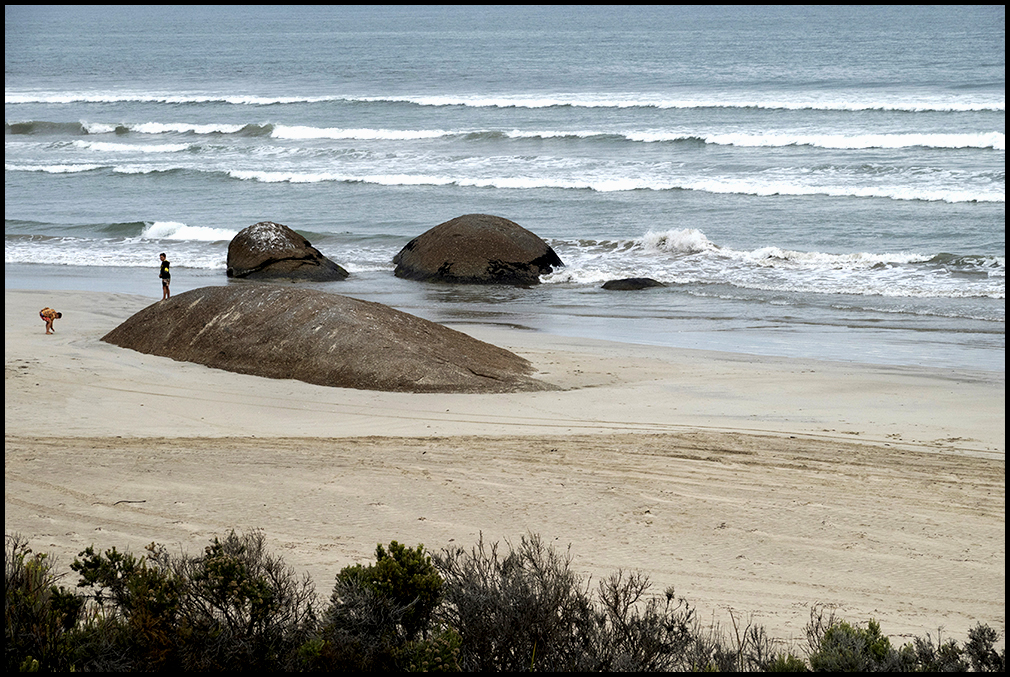
This rock formation known as The Granites is the only one along this wild stretch of sandy coastline
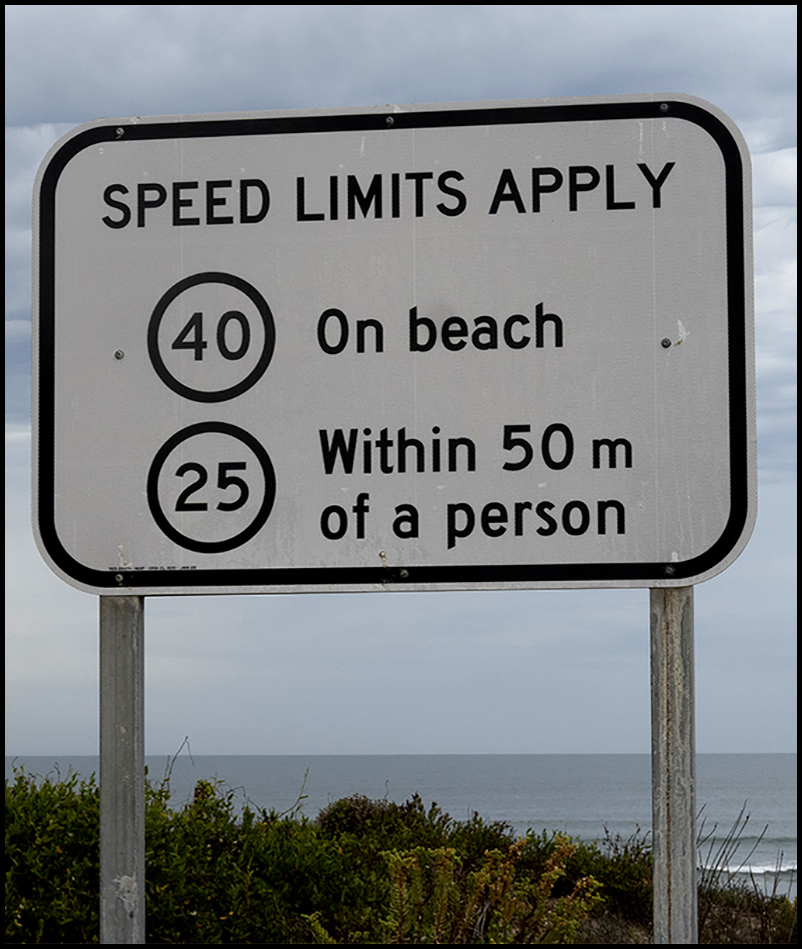
A sign at the Granites. I’m never thrilled to see vehicles allowed on beaches, but I’m wildly outvoted. At least the speed limit is in kilometers.
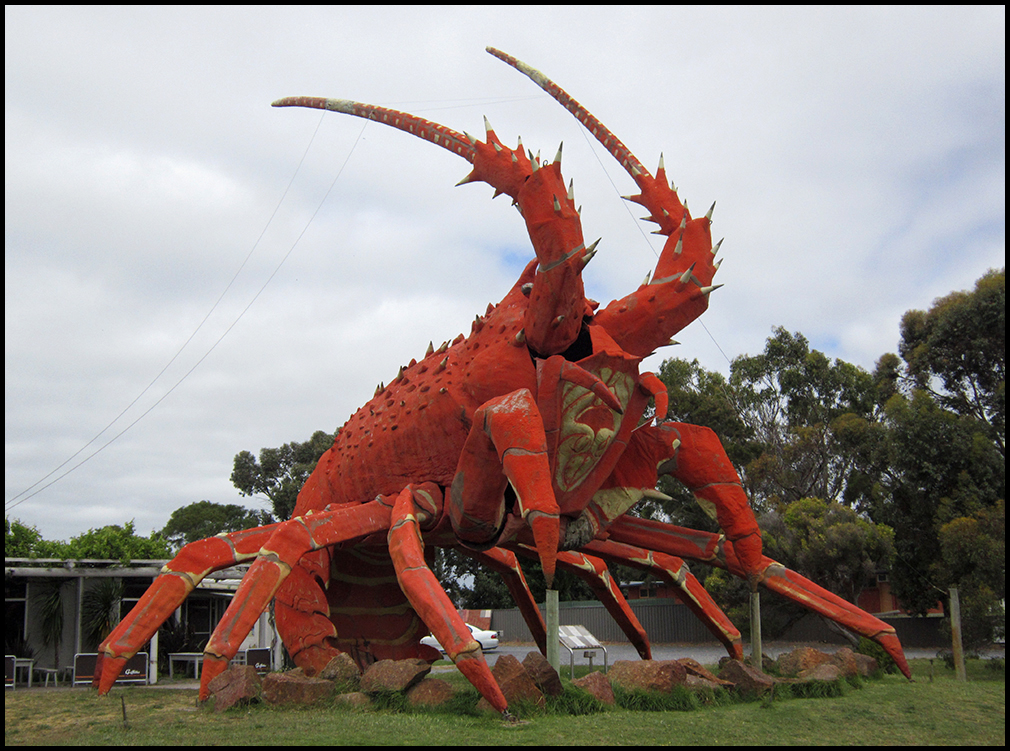
Close to the eastern end of the park is Kingston. I’m happy to report the BIG lobster is still there. Built in 1979 of fiberglass and steel, it still looks in very good shape. There are over 1,000 “Big Things” around the country.
From Kingston I decided to make a nostalgic trip inland to the Victorian outback. I have fond memories of camping in the third-largest park in Victoria; Wyperfeld. When we were there in 2011, emus wandered through the heavily forested Wonga campground. There were many birds in the trees.
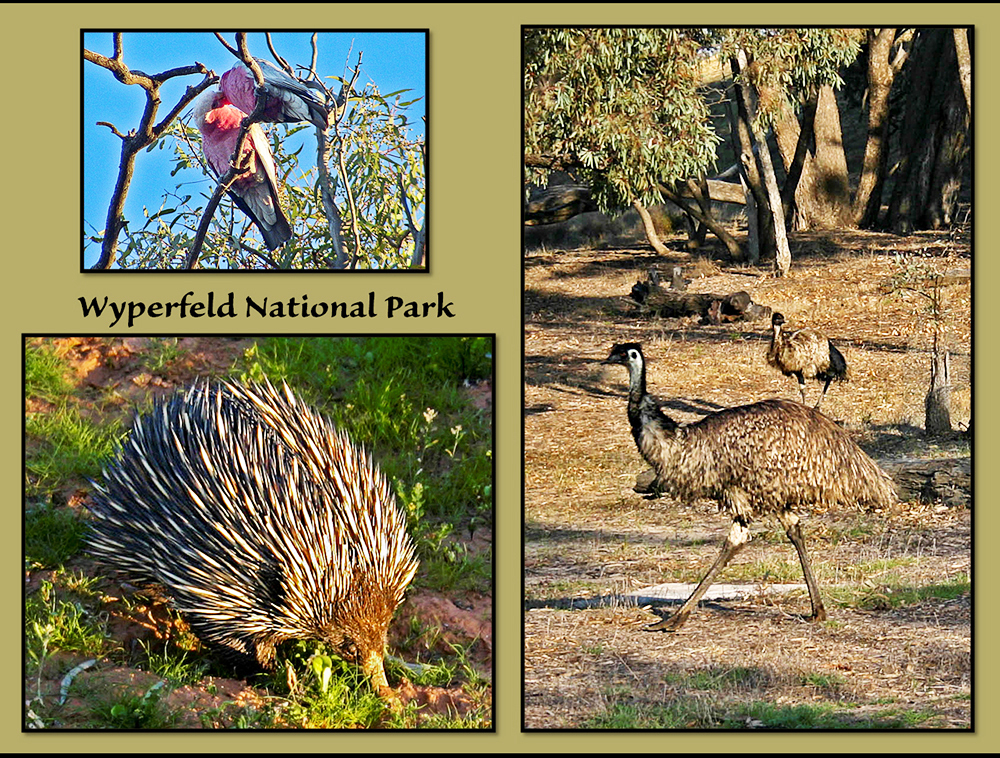
A page from a video I made of the 2011 visit.
Located in what’s known as the Mallee district, made up of woodland and heathland, Wyperfeld is a huge protected area of 882,210 acres. However, recently there have been raging bushfires and I was curious to see what it looks like now. Sadly, the heavily forested parts are largely gone, replaced by open meadows. Bird life is suffering.
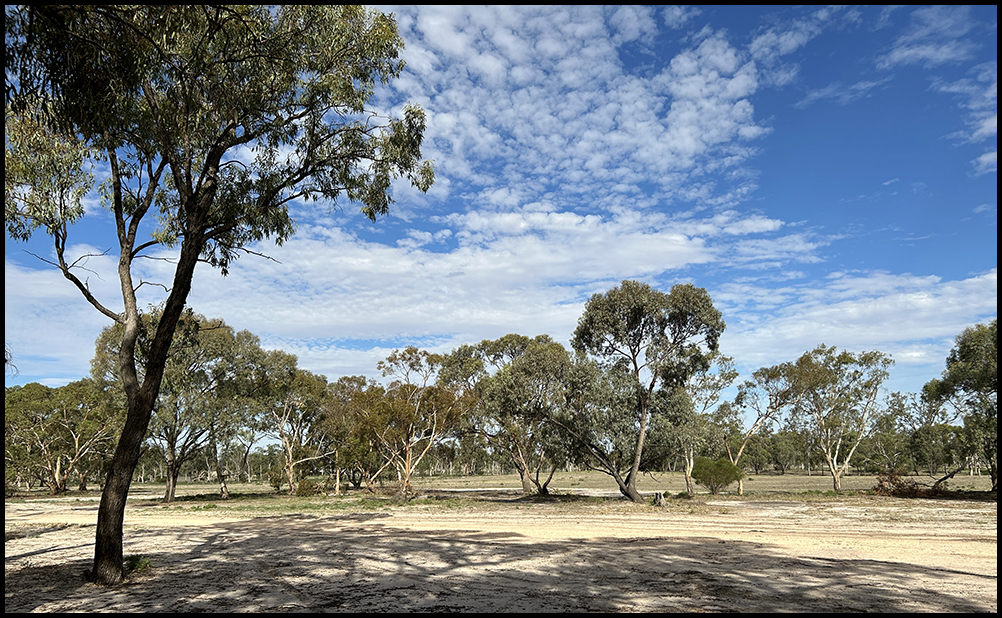
Open meadows exist where heavy forest used to be. Some hearty gum trees are coming back or are survivors.
In summer months, flies are a menace in the outback and I was glad I brought my face net. Fortunately, my canvas tent for the camper allowed me to sleep with ventilation and no flies.
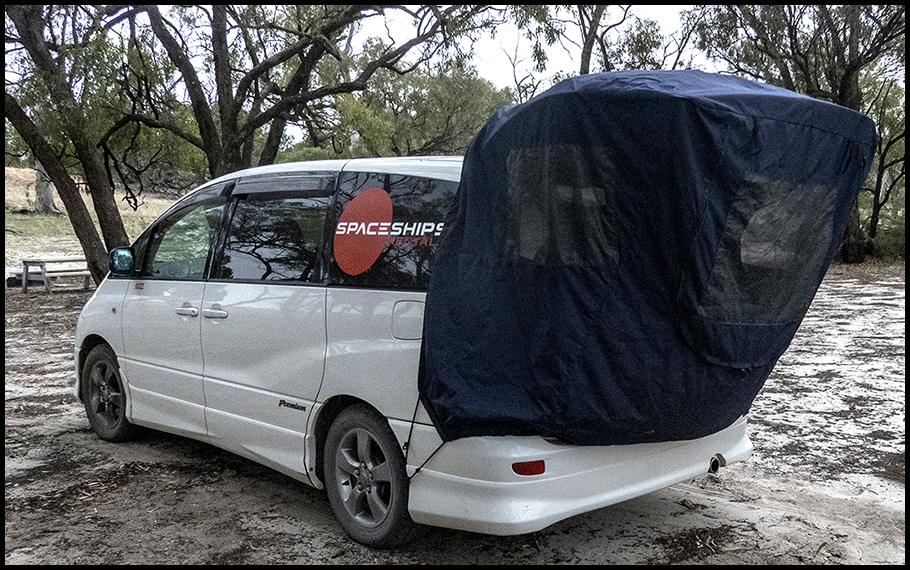
The clever add-on tent allows ventilation with the windows closed
Getting to the park was an adventure in itself. Many of the little inland towns are barely hanging on as young people move to the cities for work. As mentioned before, painted grain elevators are the new arty draw for small inland towns. 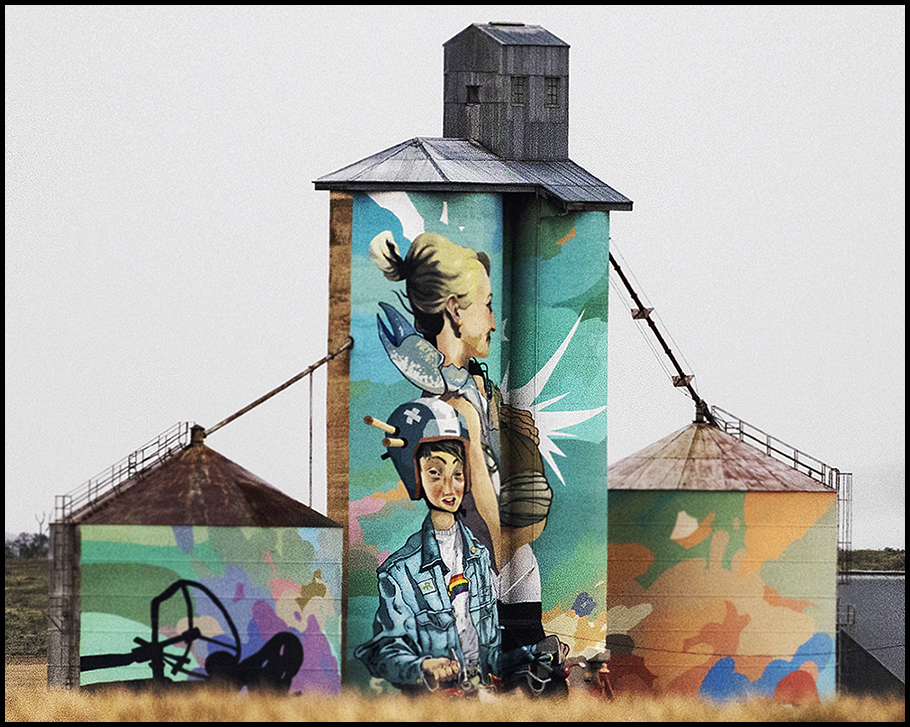
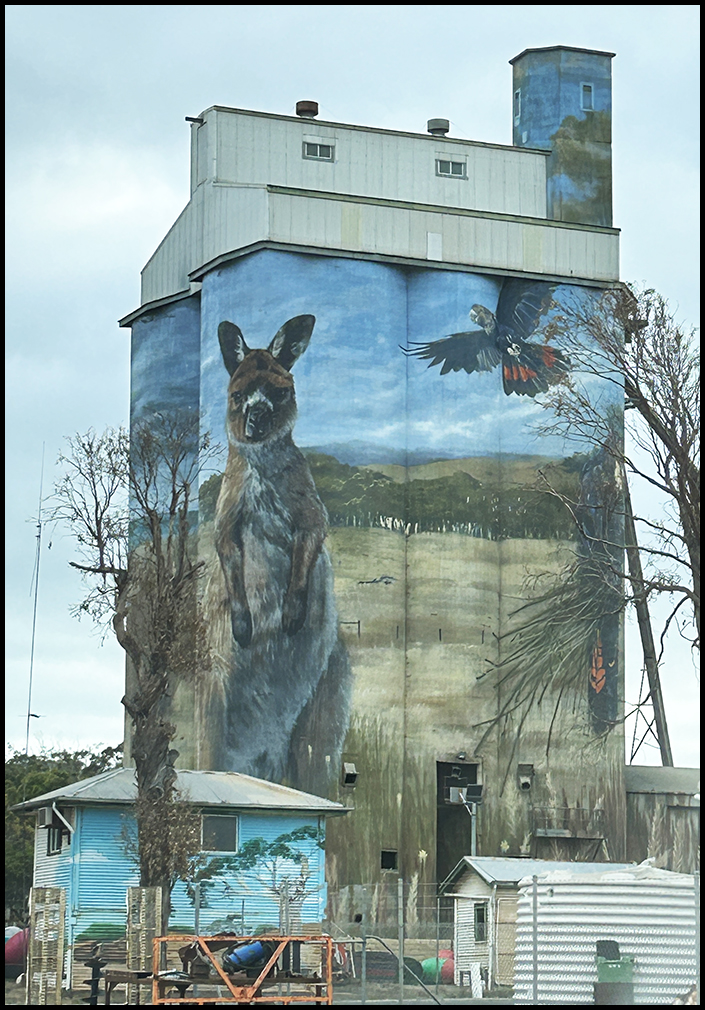
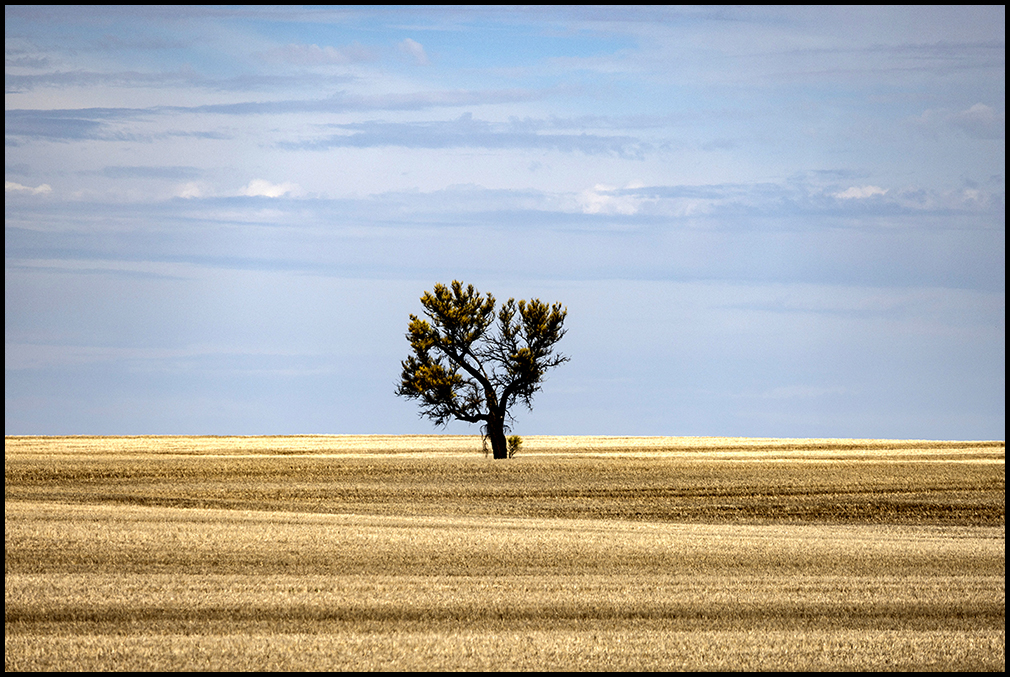
On the way to Wonga…coastal forests are replaced by agricultural expanses
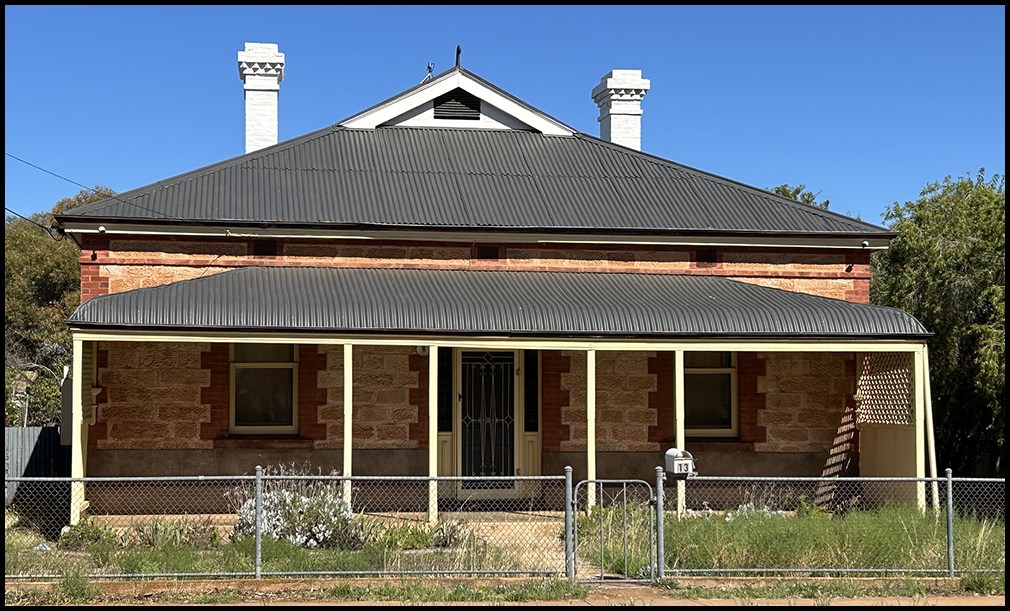
A typical house built when the little towns flourished. I love the rolled-roof porches and stone construction.
I stopped for lunch at a lovely park in Kaniva. There is a wetland there and a series of painted sheep celebrating the town businesses.
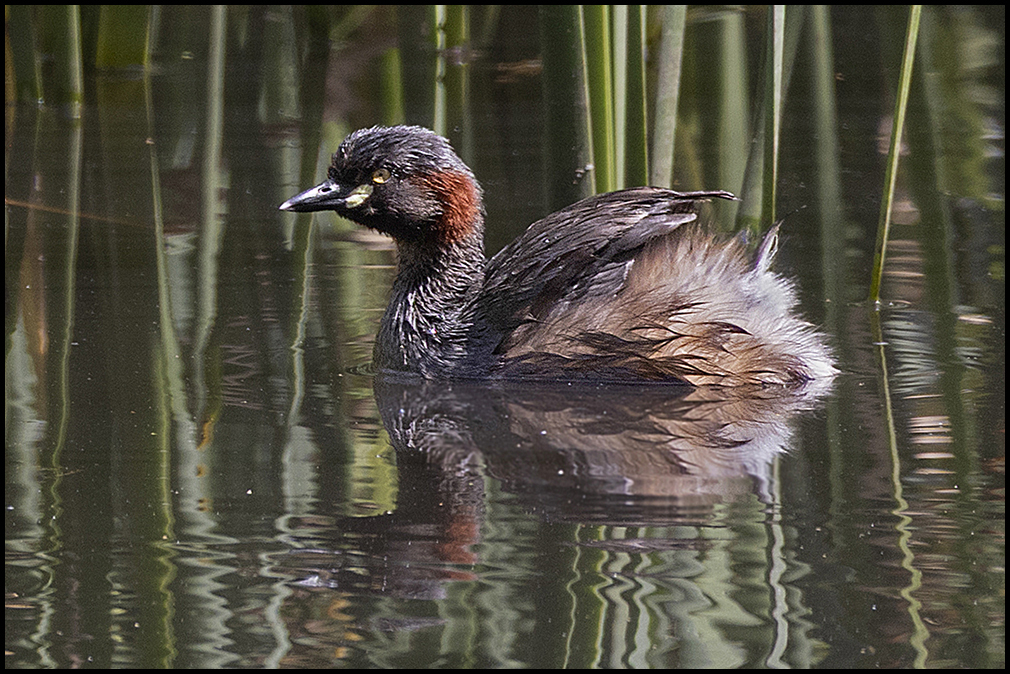
An Australian grebe in the Kaniva wetland.
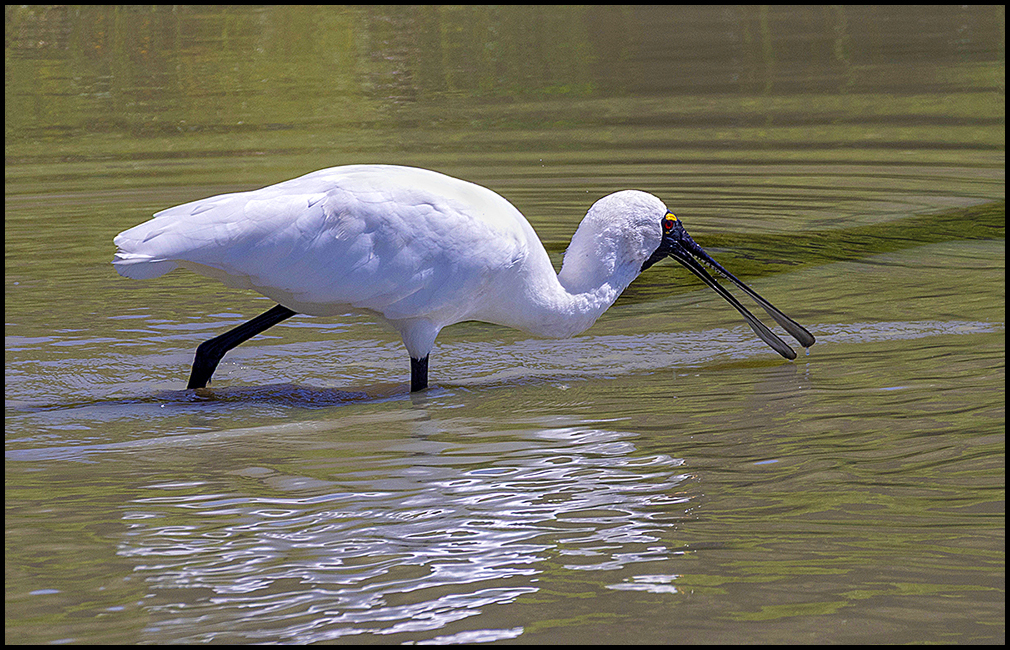
A Royal spoonbill
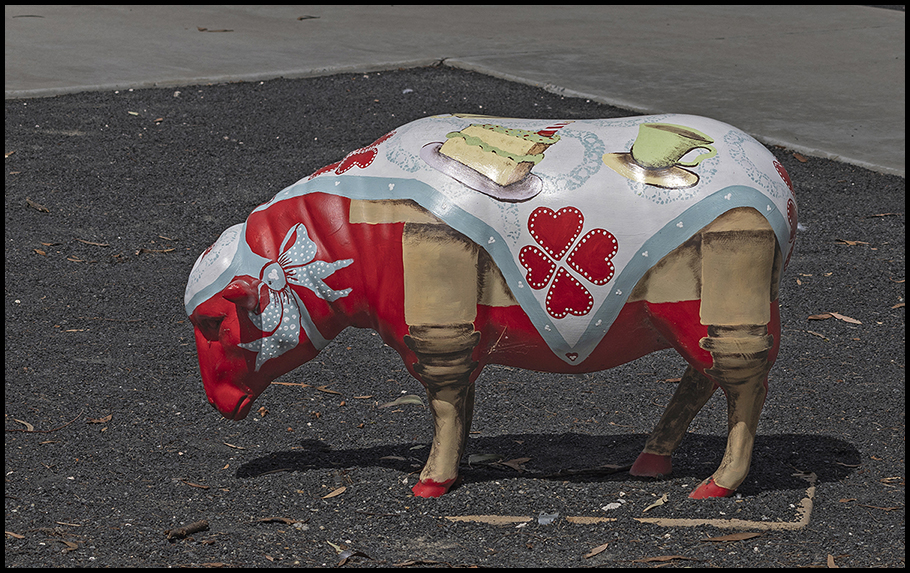
One of a number of painted sheep.
The jumping off town to Wyperfeld is Rainbow, which hasn’t changed noticeably in the past 15 years.
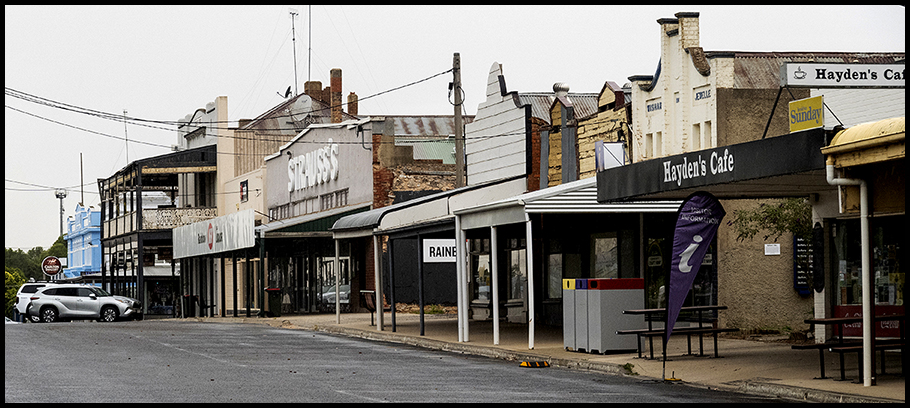
Rainbow has a typical outback main street.
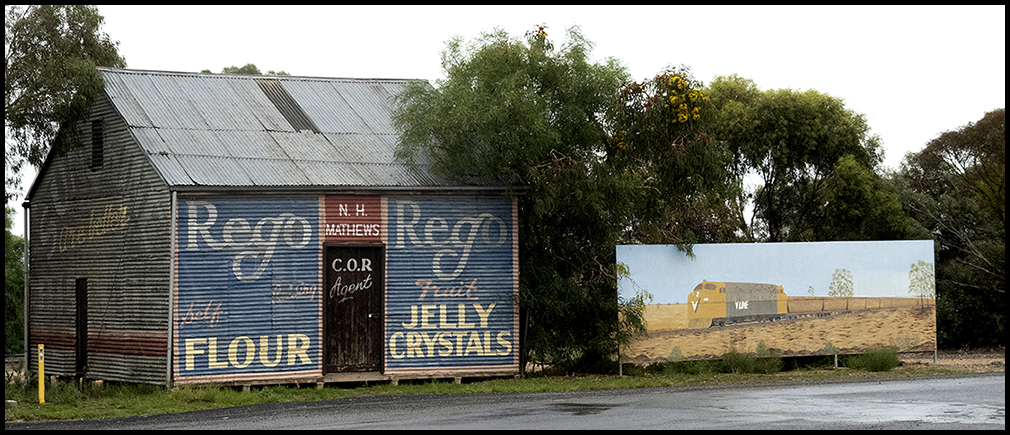
At the end of Main, the murals are still the same
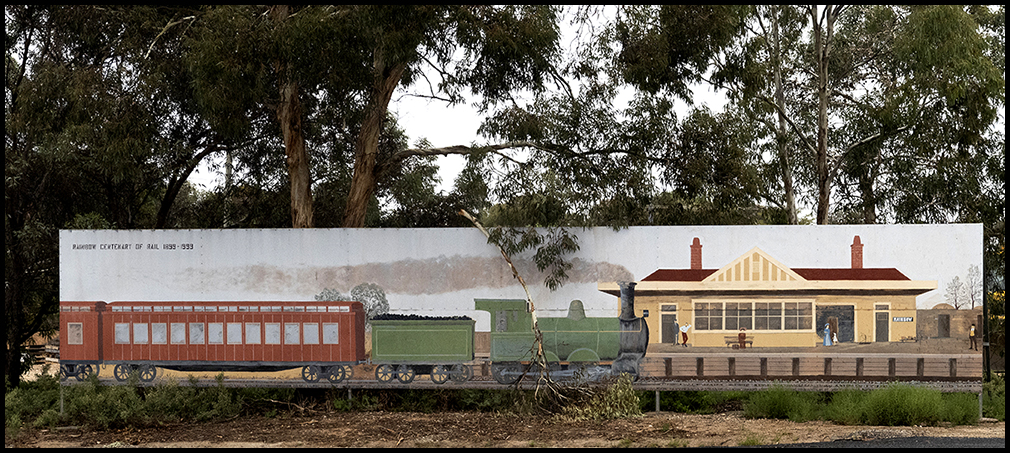
Trains must have been, and probably still are, important features for getting grain to market. Not so much for human travel now.
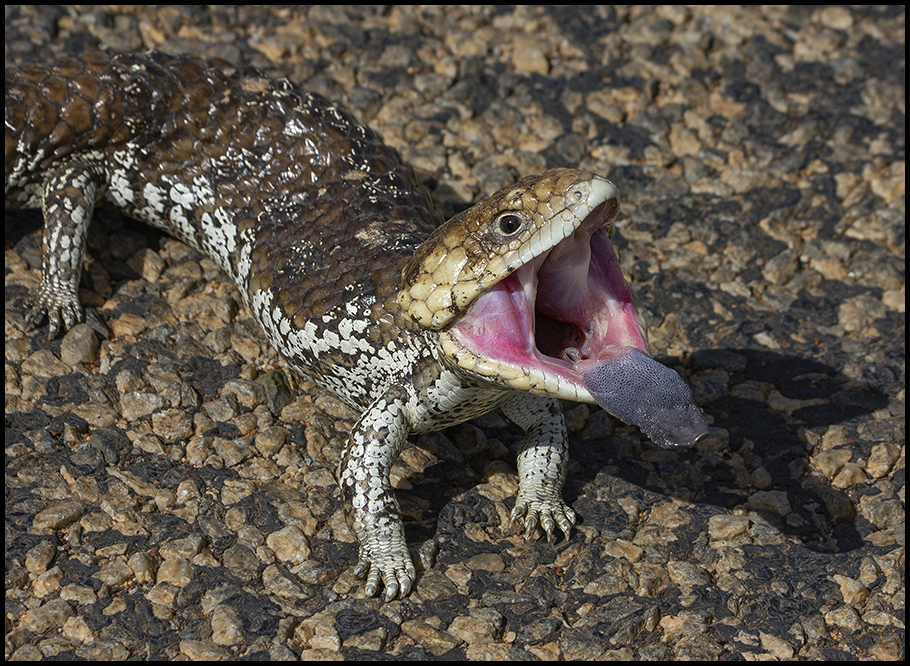
Back in the day, we used to stop frequently on rural roads to help these Shingleback skinks, aka Blue-tounged lizards cross the road. They are slow and not as formidable as they look. We love these little guys.
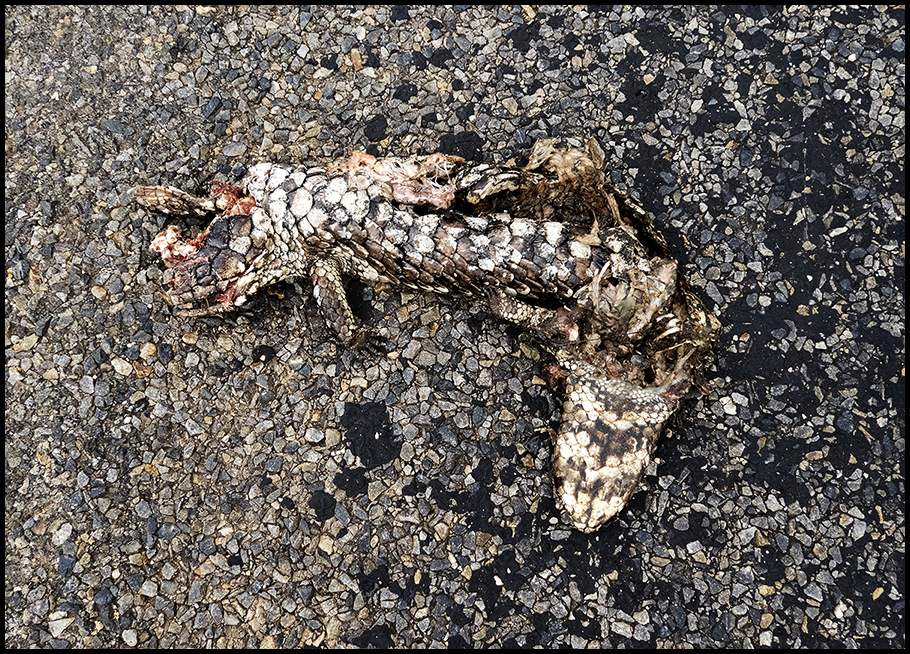
Sadly, this is the only shingleback I saw on the whole trip…a too slow one.
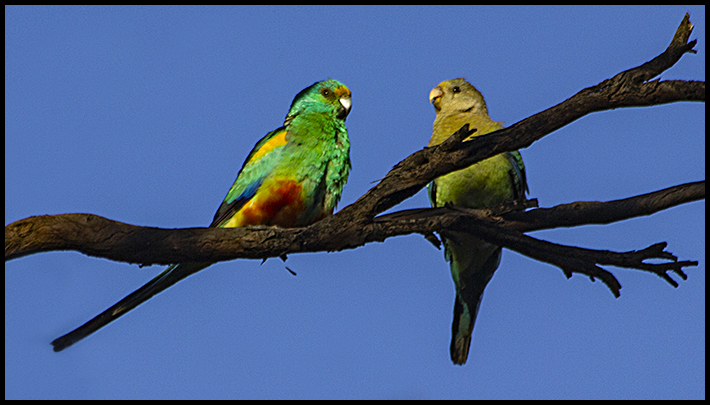
There are still Mulga parrots flying around the outback.
After my dose of nostalgia and flies, I drove through another favorite park that has had it’s share of bushfires. I was hoping to see and hear gang-gang cockatoos. They weren’t hard to find years ago, but according to a ranger, they are rarely seen and very hard to find. With the weather being what it was, I didn’t stop, but did enjoy the twisty mountain roads in the park. At the bottom, near Hall’s Gap, a few emus and kangaroos grazed in a meadow. But onward: time’s a wastin’.
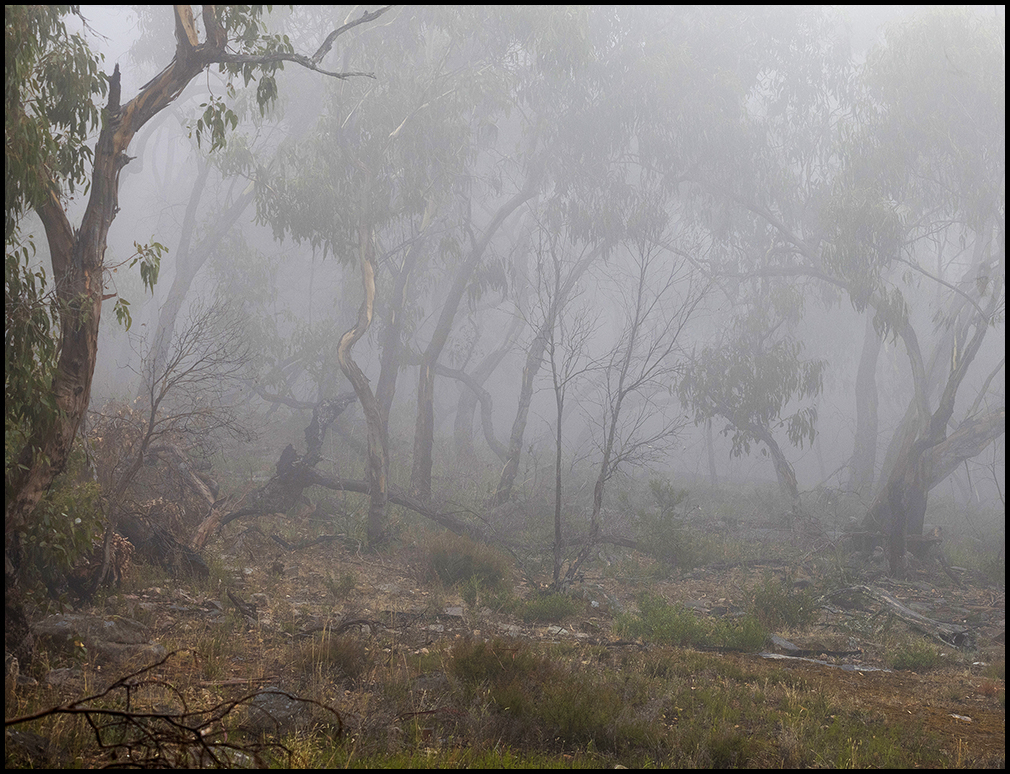
Heavy fog shrouded the mountains in the Grampians Nat. Park
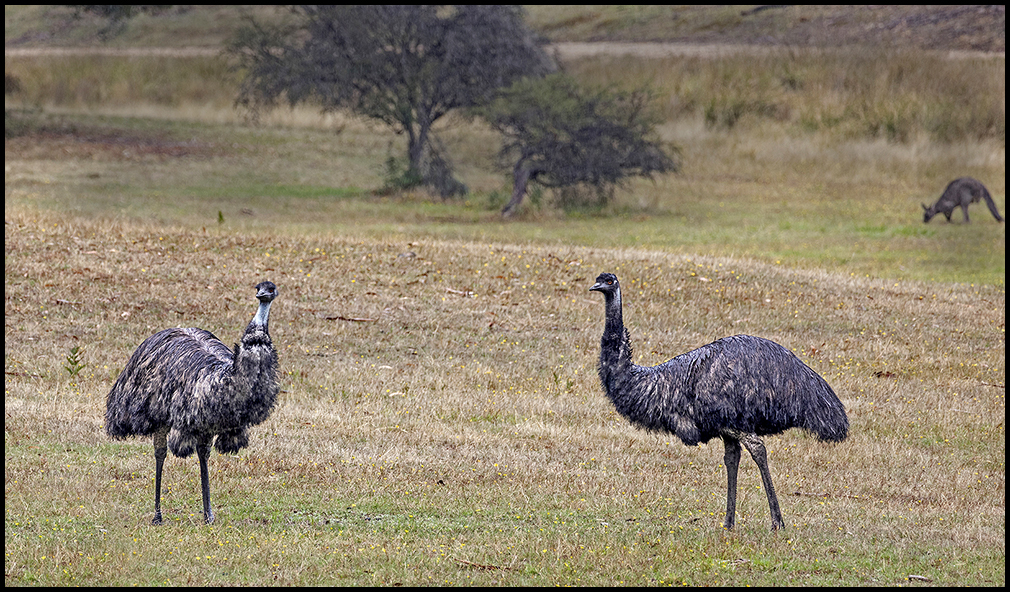
Emus pose near Hall’s Gap
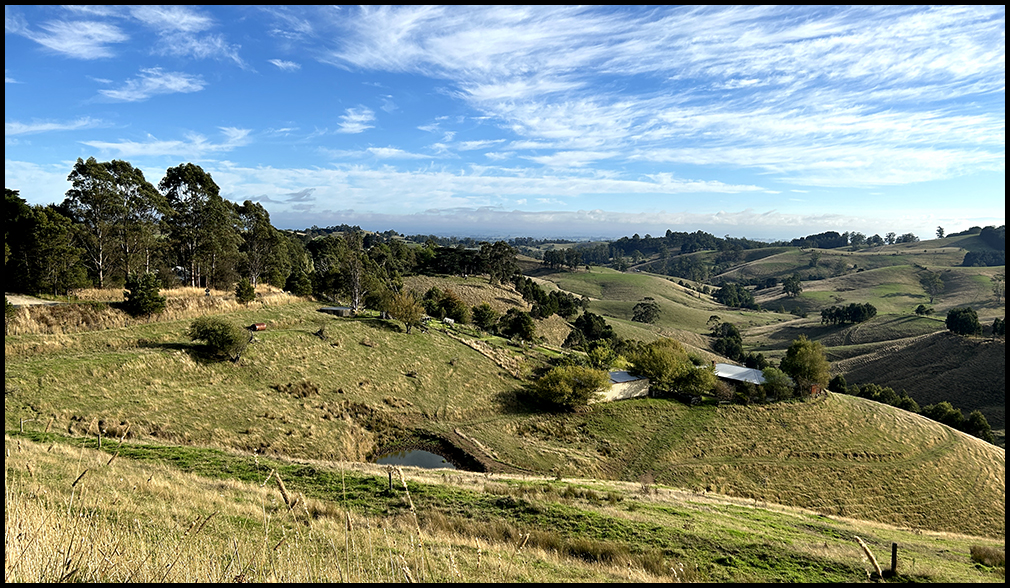
Scenic Gippsland portion of Victoria
I was lucky to get a space at Wilsons Promontory Nat. Park. Years ago, there were only a few camp sites and no reservations needed. Times have changed. There are now 484 campsites with reservations needed well in advance. Still, hiking away from the campground it’s possible to stumble upon great birds and maybe a wombat or two. (Others were luckier than me for spotting wombats. Close as I came, was seeing a wombat butt in the brush.)
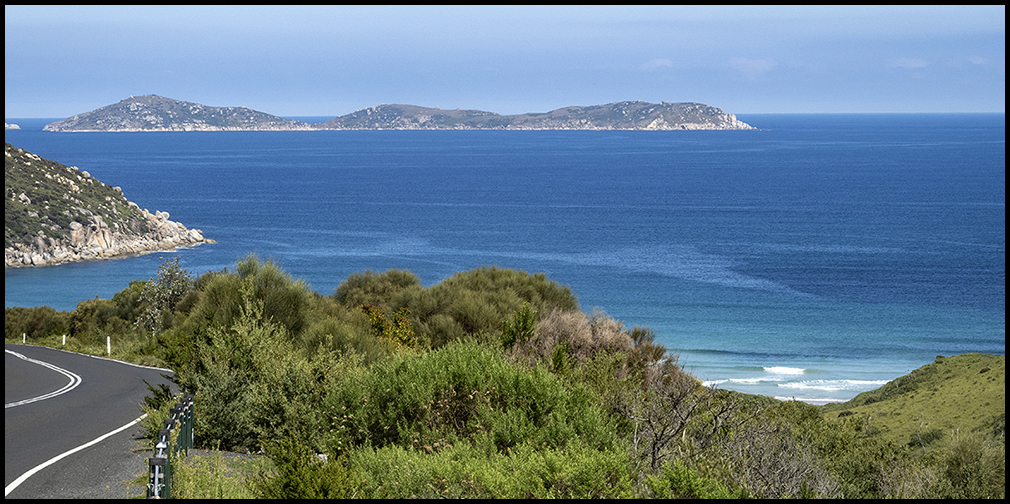
Coming into the park.
Wilsons Prom or just The Prom is a 125,000-acre national park in the Gippsland region of Victoria. It’s the southernmost national park on mainland Australia…a granite peninsula jutting into the Bass Strait.
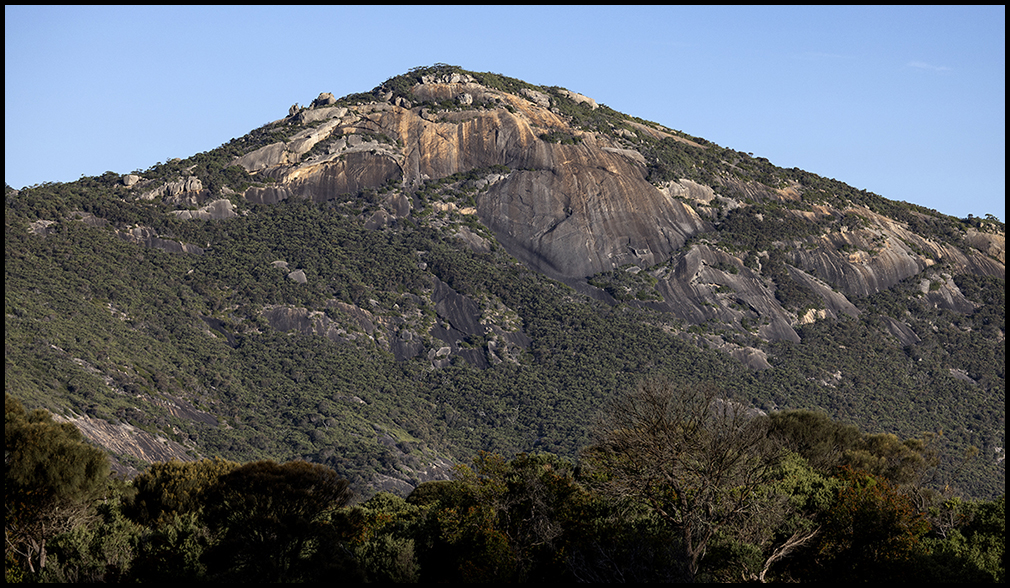
People love to hike to the tops of granite domes
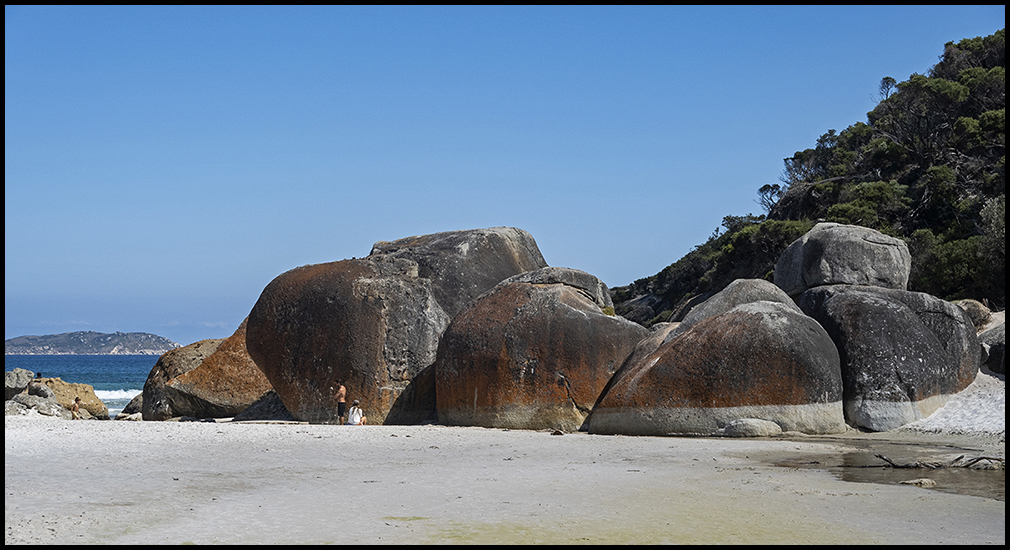
The sand of Squeaky Beach makes distinct squeaking noises when walked on.
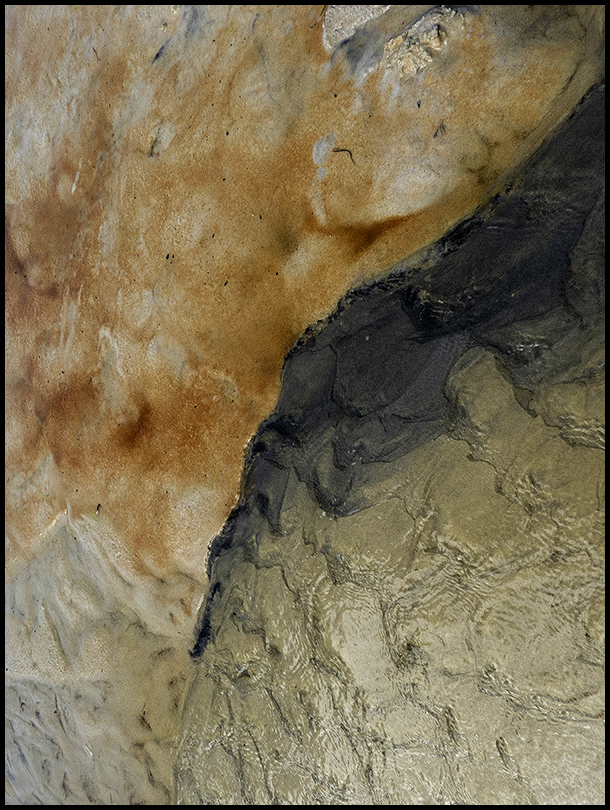
“Sand art” on Squeaky Beach
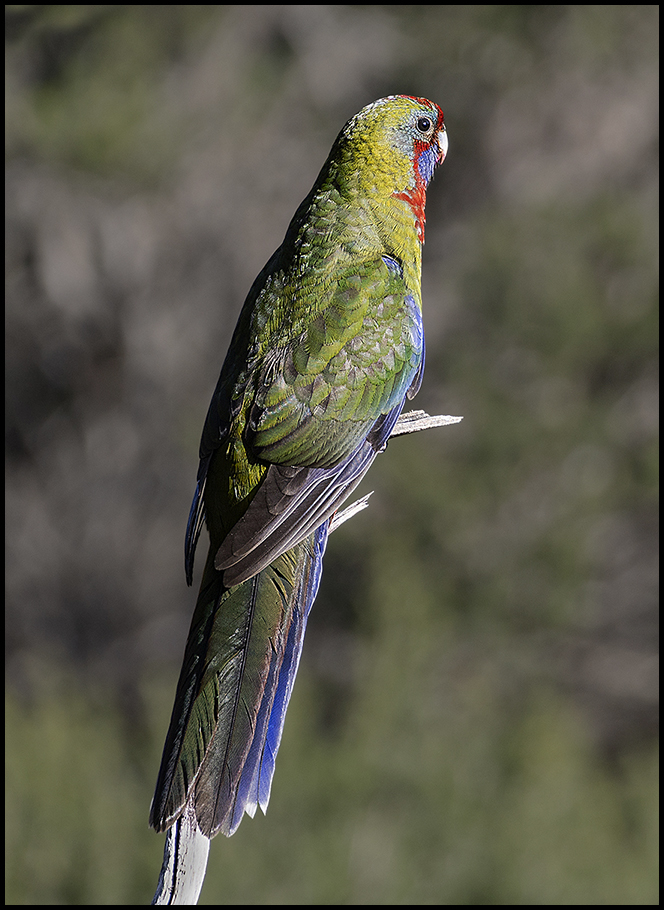
Female Crimson Rosella.
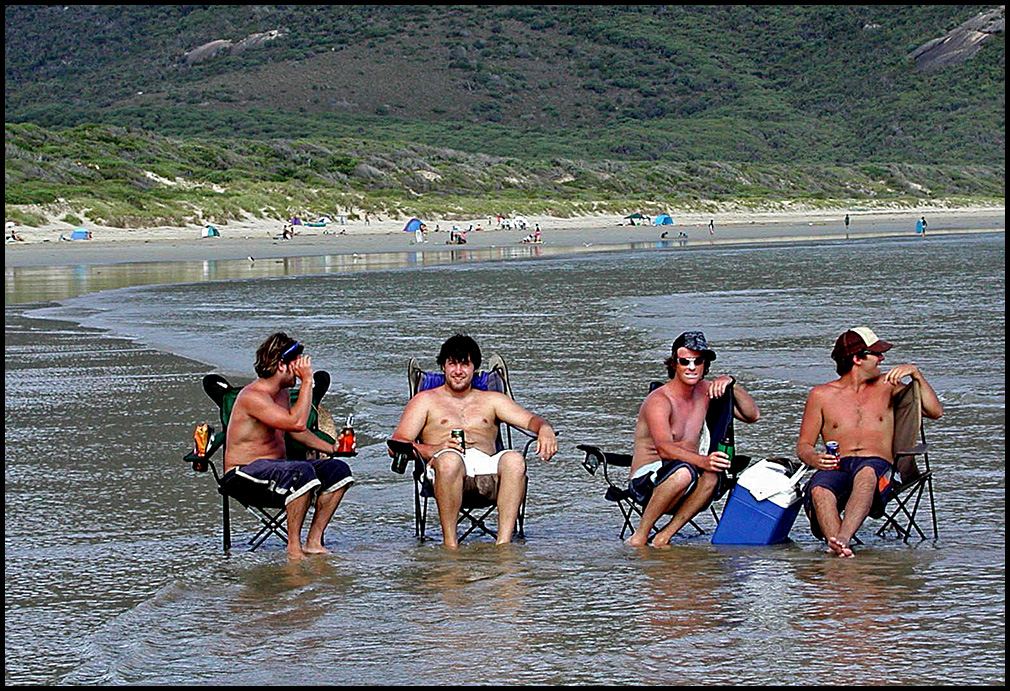
I couldn’t resist including this 2005 photo of Prom beach goers. These beer bros are probably all retired by now.
One more park to include on the southern coast before turning north. At Croajingalong Nat. Park, I reserved the last spot in the small Shipwreck campground with only 5 campsites. (Since I was there, there has been flooding. Always, check conditions before booking…famous last words coming from me.)
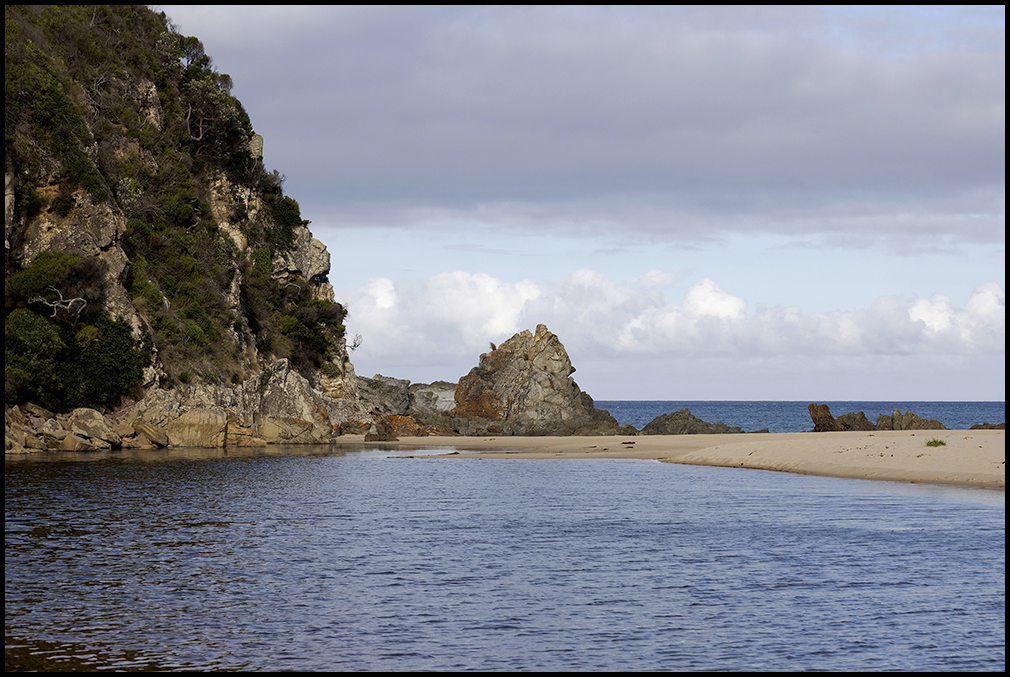
The beach area at Croajingalong Nat. Park
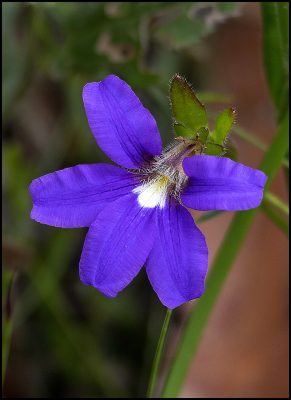
Flowers are scarce in autumn
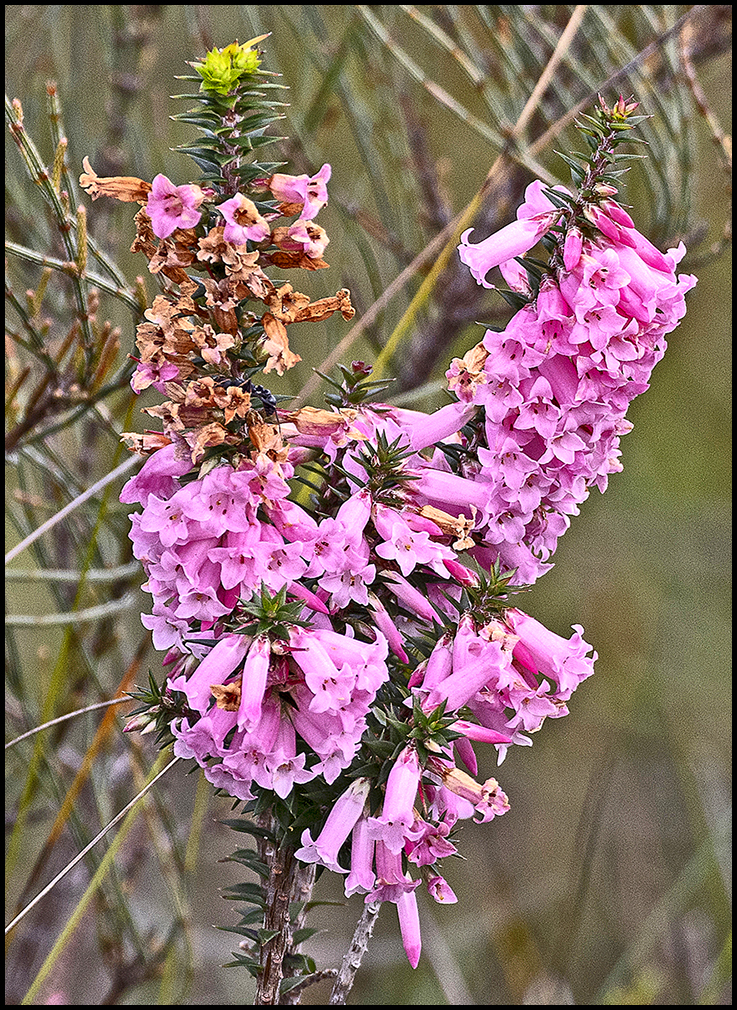
In the heathland along the coastal trail were some lovely flowers.
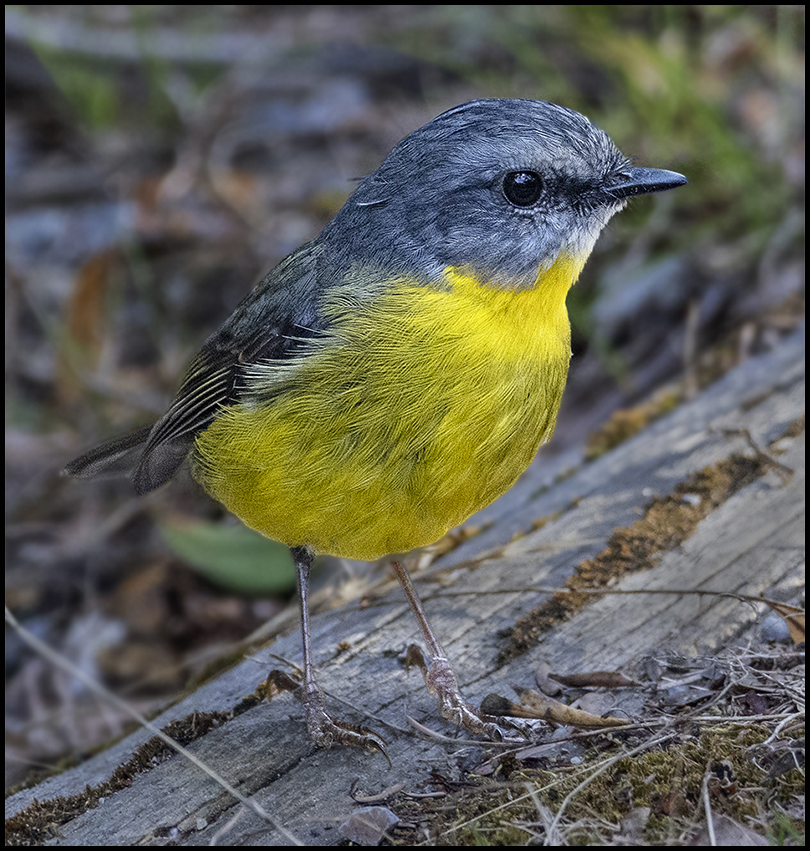
And how about this darling little Eastern Yellow Robin?
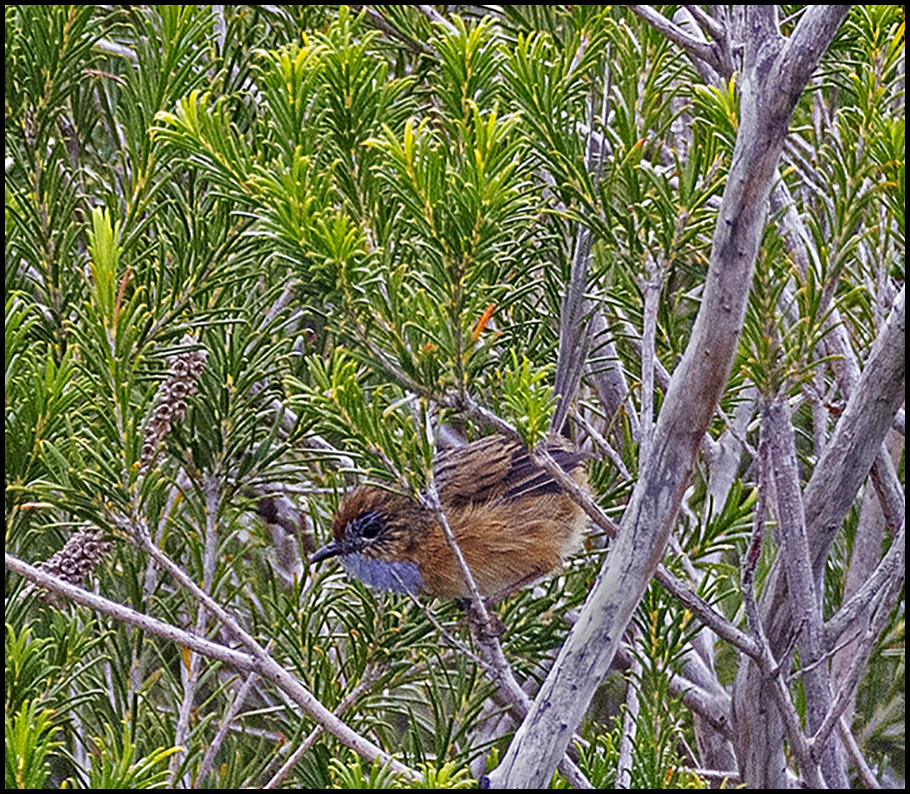
This little Southern Emu-wren with its subtle blue throat and impossibly long, wispy tail, was a first sighting for me.
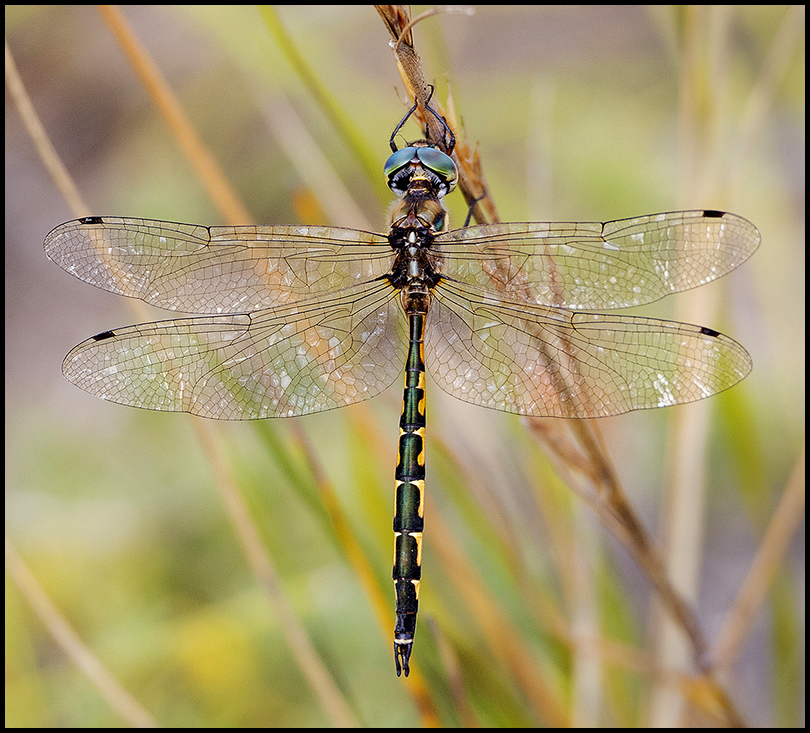
And how could I leave Australia without at least one dragonfly photo?
The southern coast is lovely and the birding pretty good, but my campsite neighbor convinced me to go to Murramurang (a favorite park from past trips) so I only stayed one night at Shipwreck camp and sped out in the morning to make it to Murramurang before the office closed. (to be continued)