
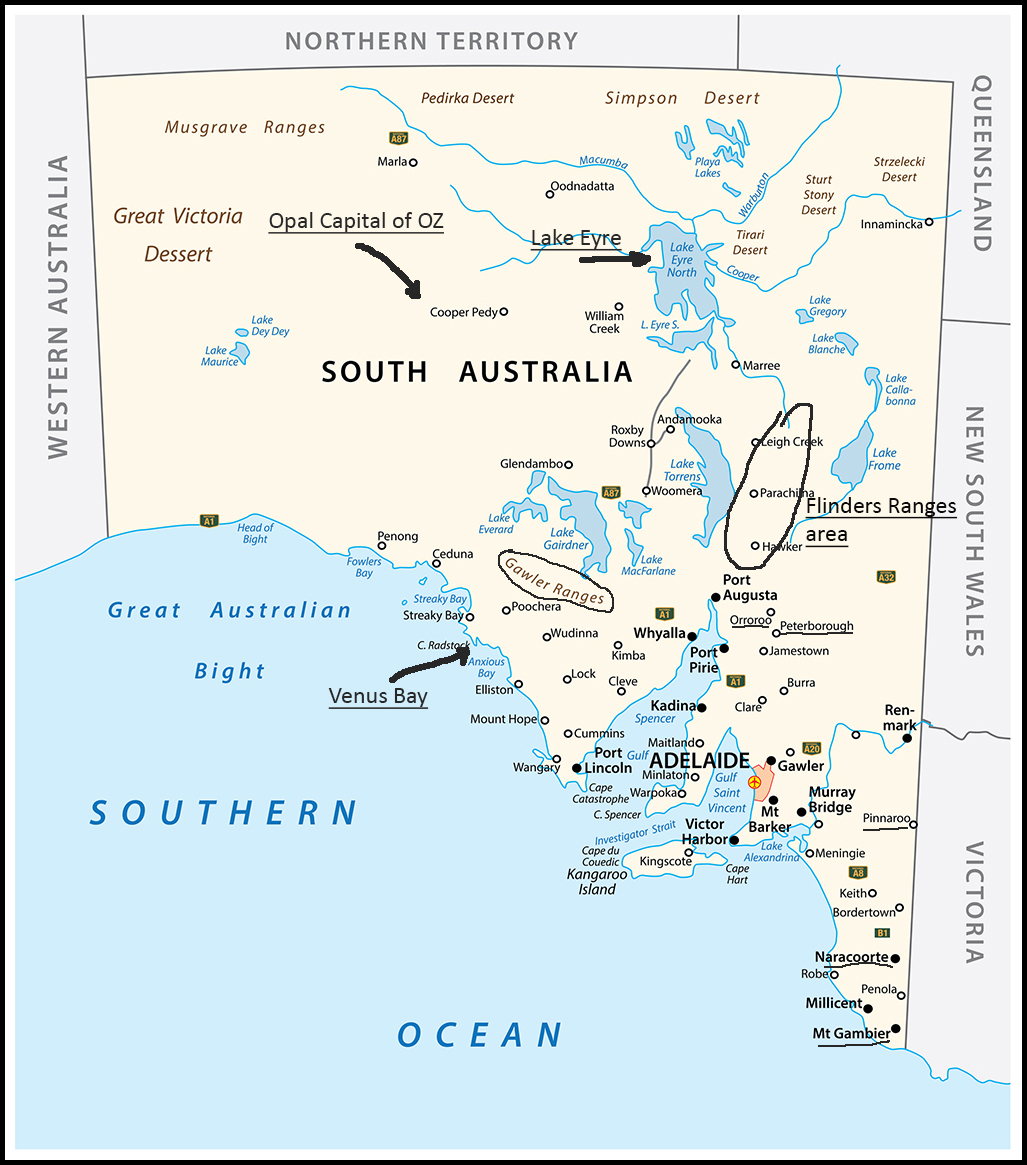
South Australia (SA) is one of 6 states and 1 territory (plus the ACT, or Australian Capital Terr. near Canberra). Most abut SA.
South Australia is widely recognized as the driest state in Australia, which is itself the driest inhabited continent on Earth. BUT, not in 2026. Lake Eyre, normally dry, was filled to the brim, the first time since 1974. Relentless rain and slow-moving floodwaters from Queensland and the Northern Territory filled it for the 4th time in over 100 years. I had to forgo visiting Flinders Ranges because of flooding. The underlined towns are mentioned in this blog. I visited Coober Pedy, the opal capital, on a previous trip. It’s a weird place, worth a visit if ever in the area.
Leaving Mt Gambier heading north, I chose the Black Cockatoo Bush Camp on a sheep station (ranch) near Naracoorte. Naracoorte Caves National Park was officially recognized in 1994 for its extensive fossil record. The site is on the World Heritage List, but I missed it.
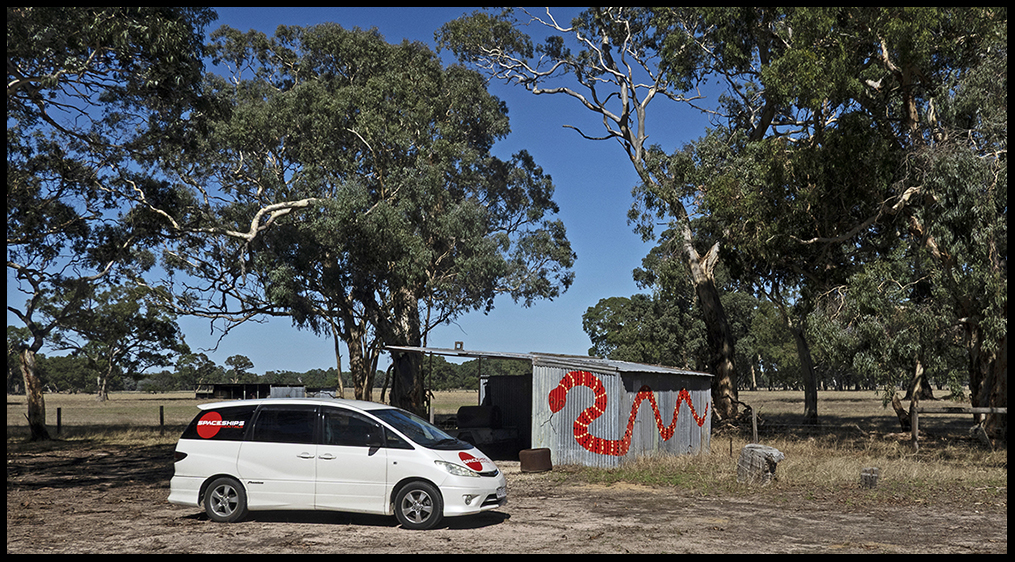
My campsite at The Black Cockatoo Bush camp
Took a walk in the bush and saw small, golden-colored Fallow deer. There are no native deer in OZ, 6 species were introduced in the 19th century as game animals. As with foxes, rabbits, cane toads and other introduced species, they are generally pests.
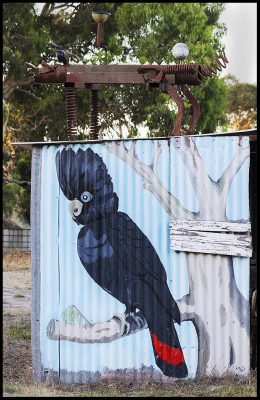
Bits of art work all over. Even a sculpture on top.
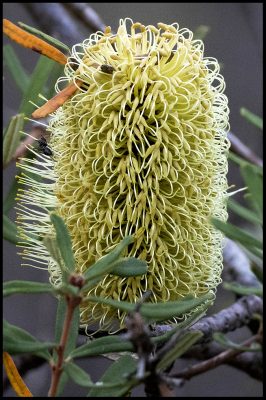
Banksia flower
Banksia is a genus of around 170 species of flowering plants endemic to Australia. Heavy producers of nectar, banksias are a vital part of the food chain in the Australian bush. They support many nectarivores including birds, bats, rats, possums, bees and many invertebrates.
Specimens of Banksia were first collected by Sir Joseph Banks (later named after him), the naturalist on Captain Cook’s first voyage to the Pacific Ocean in 1770.
Also saw my first, and turned out, only echidna of this trip. Echidnas are very strange animals. They are monotremes (along with the platypus) …solitary, egg-laying mammals on a genetic branch all their own. They’re covered with thick spines made of keratin, the same as claws and fingernails. Their elongated snouts function as both mouth and nose, and have electrosensors in them to find ants and termites. Echidnas have very tiny mouths and toothless jaws.
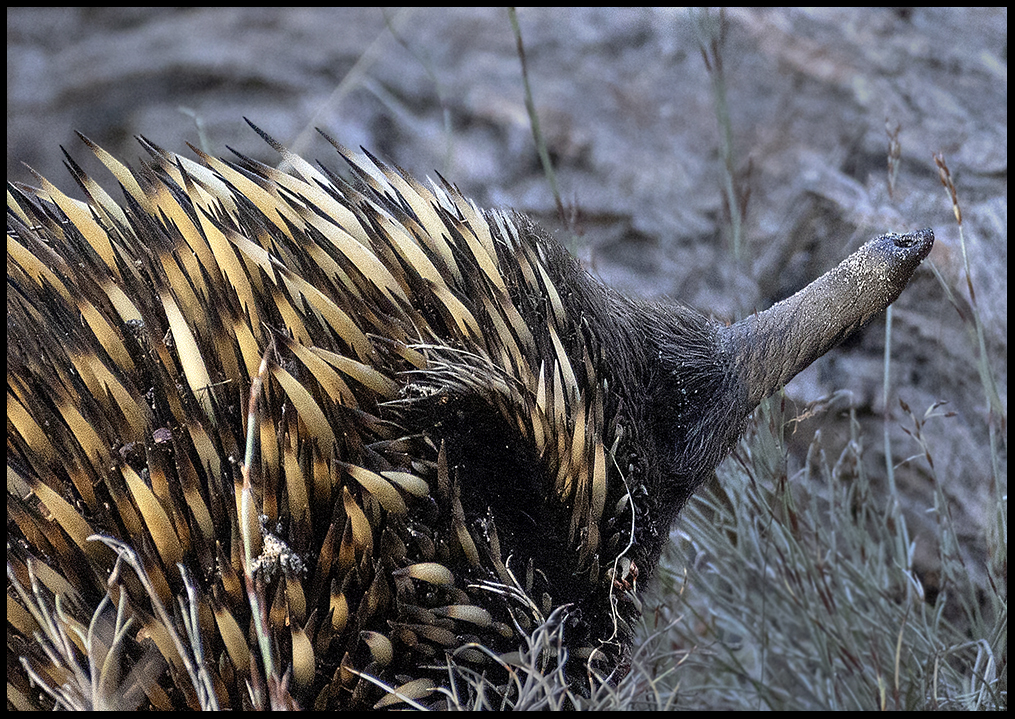
Face shot showing the mouth/nose.
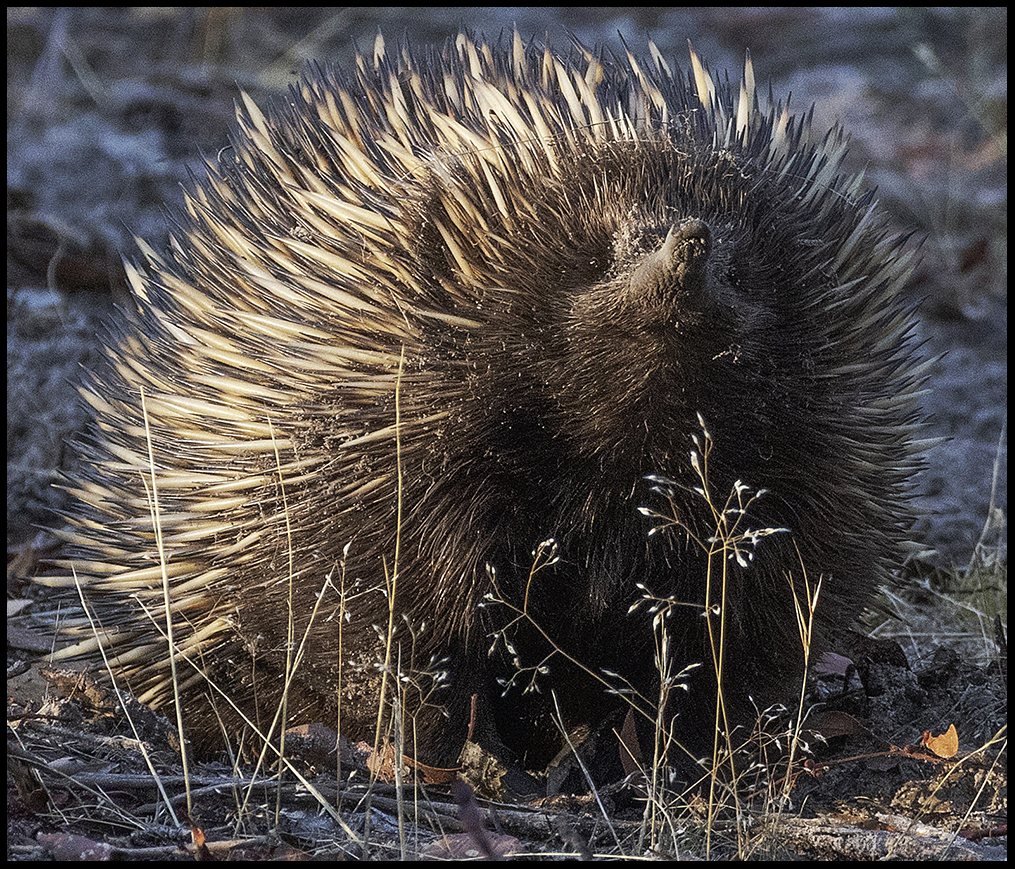
With such small eyes I suspect their eyesight isn’t the best.
They tear open anthills with sharp claws and lick the escaping prey with their long, sticky tongues. Their hind claws are curved backwards to aid in digging. When frightened, echidnas dig frantically and disappear quickly, exposing only a lump of quills. It’s a sight to watch.
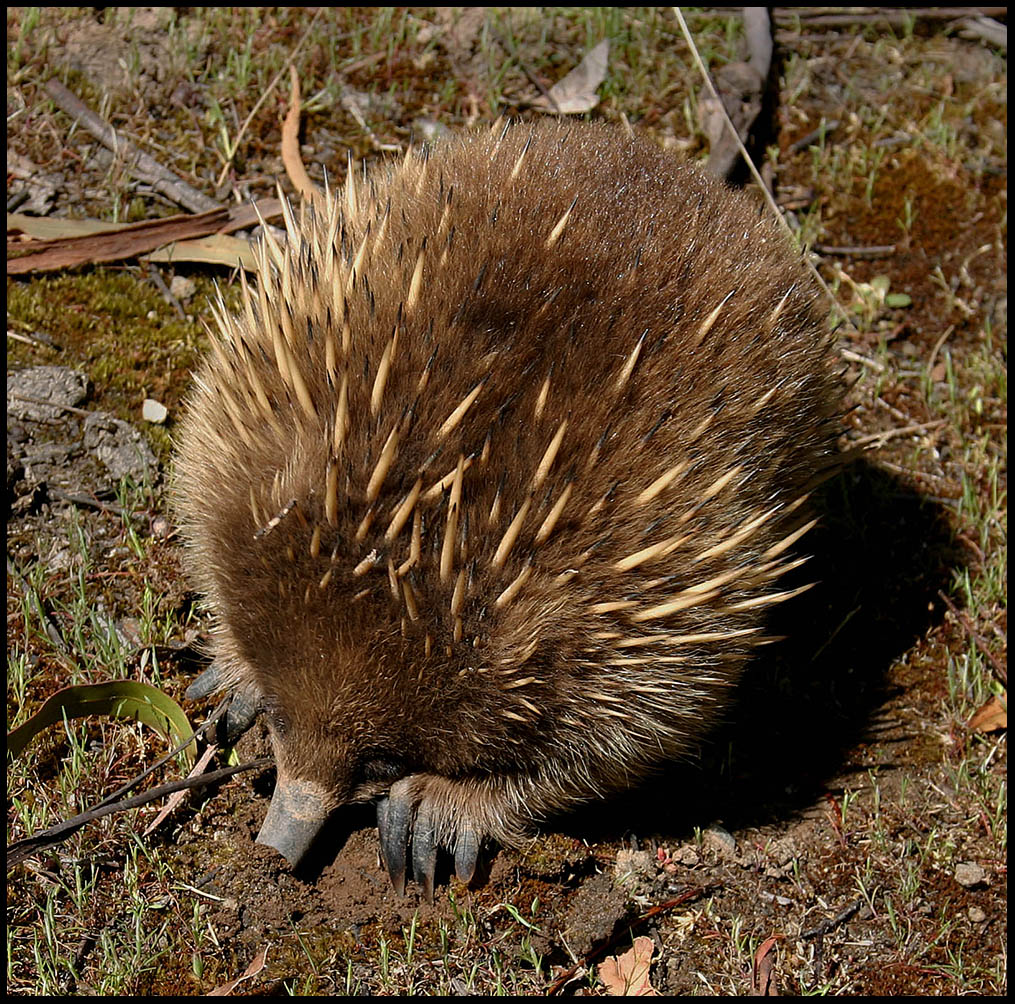
Young echidna showing claws (this photo is from a previous trip)
Females lay a single leathery-shelled egg and then she puts it in her pouch. The baby echidna crawls out of the shell after 10 days and suckles milk from milk patches (monotremes don’t have teats). It stays in the pouch for about 50 days, at which time it starts to develop spines. Ouch. The mother then digs a nursery burrow and deposits the puggle, returning every five days to suckle it until it is weaned at seven months.
They are necessarily wary of the legions of feral cats, non-native foxes, and domestic dogs. The native predators are goannas and snakes that can slither into the burrows and eat the spineless young puggles.
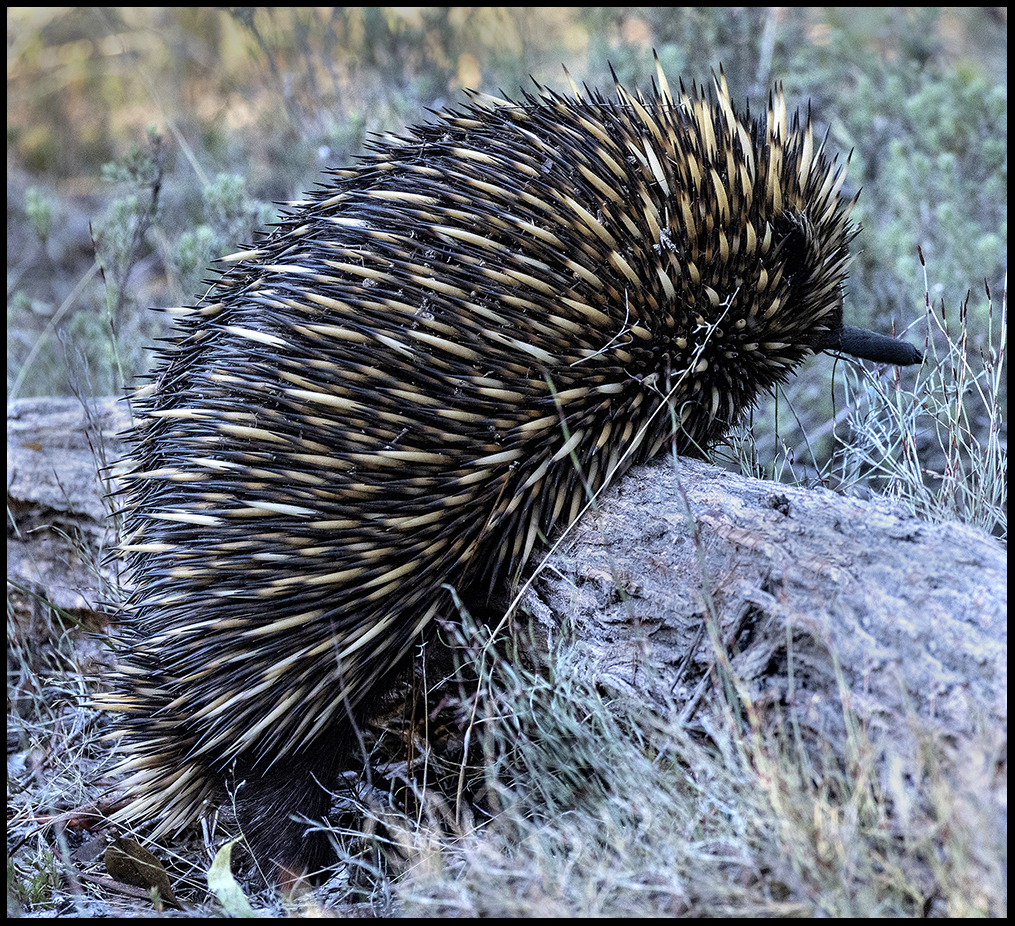
Echidna waddling away from me
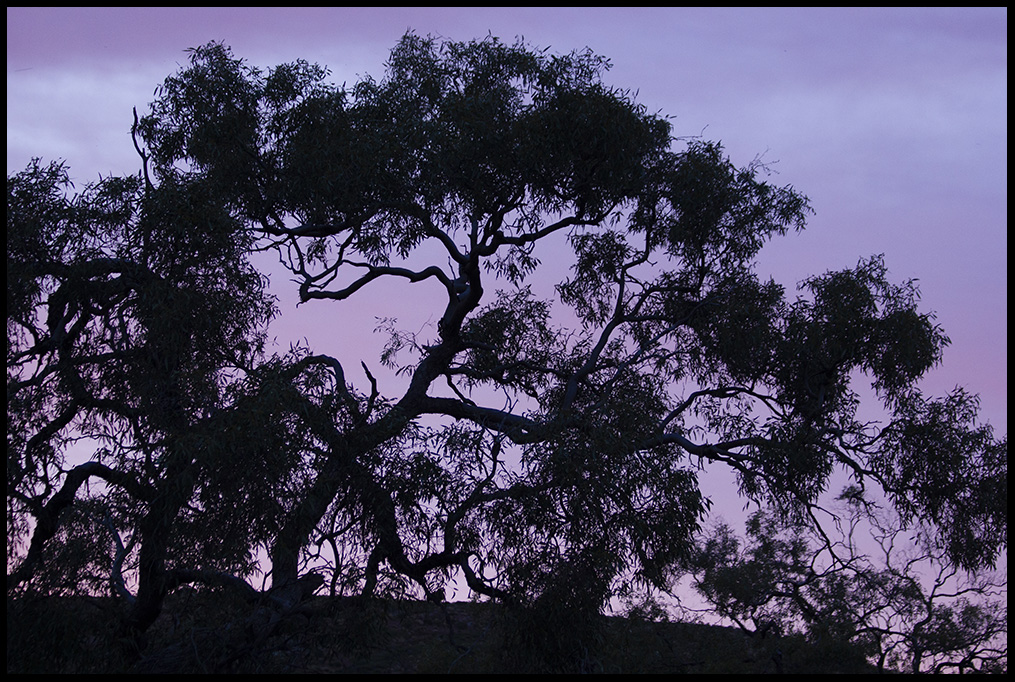
A purple sunset rounds out my stay at Black Cockatoo.
Driving further north, I passed through areas of tree farms, then wine country, followed by miles of mallee scrub and sand dunes. Near the Murray River (one of the major rivers in OZ) irrigation water nourishes more wine country. SA is known internationally for its wines. I stopped in Pinnarroo for coffee. It’s a typical outback town founded in 1906, now known for potatoes. Their hotel and pub look like most others of their vintage.
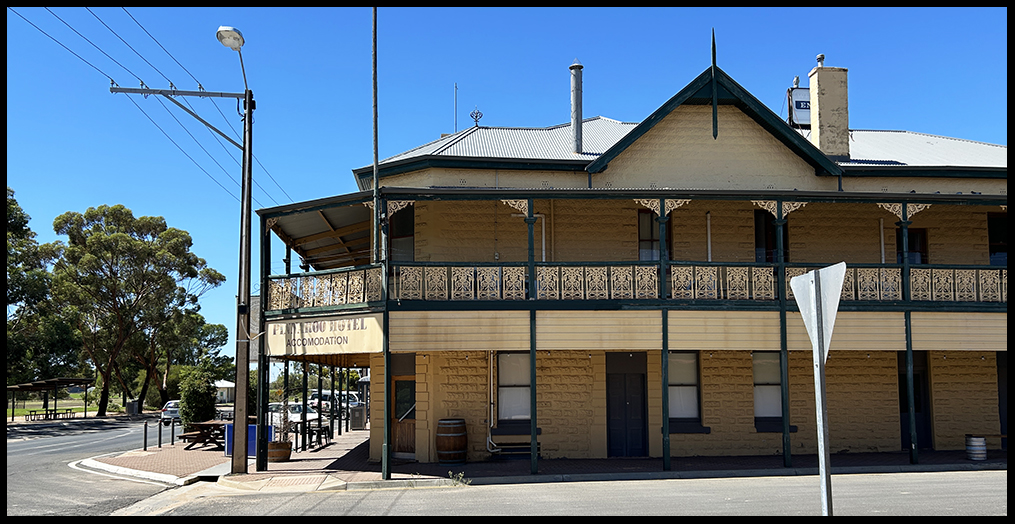
Pinnaroo vintage hotel and pub. A common combo in rural areas.
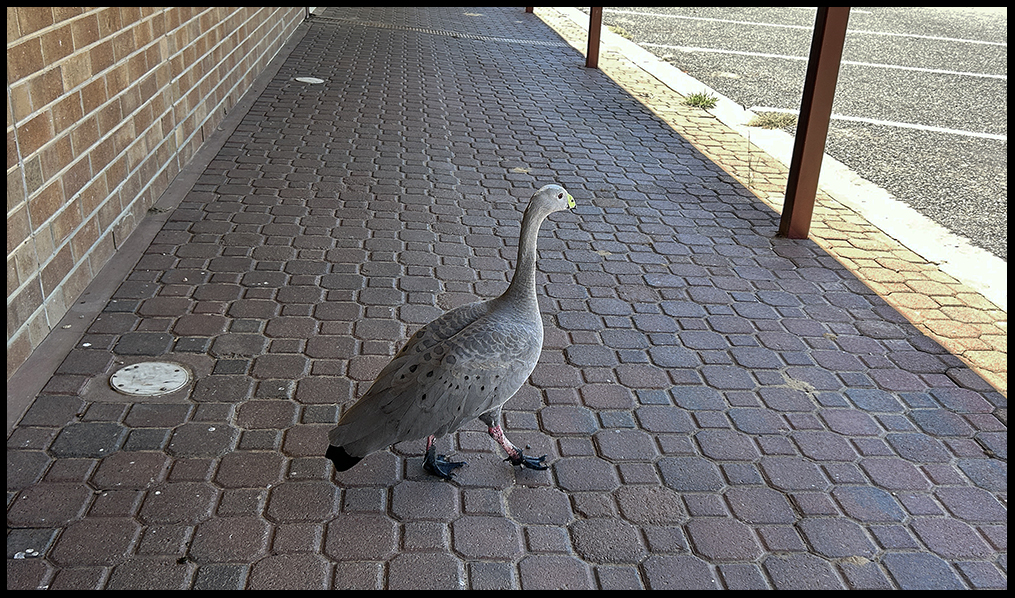
A Cape Barron goose was the only pedestrian I saw in Pinnaroo. It was midday and hot.
Around time to set up camp, I passed a “tourist road” sign heading toward the outback. An offshoot of that became my overnight spot. Nary a soul in sight. Perfect! The main reason I drove so far north before turning west, was to skirt Adelaide which was in a 3-day holiday frenzy over the Adelaide Cup horse race, comparable to our Kentucky Derby.
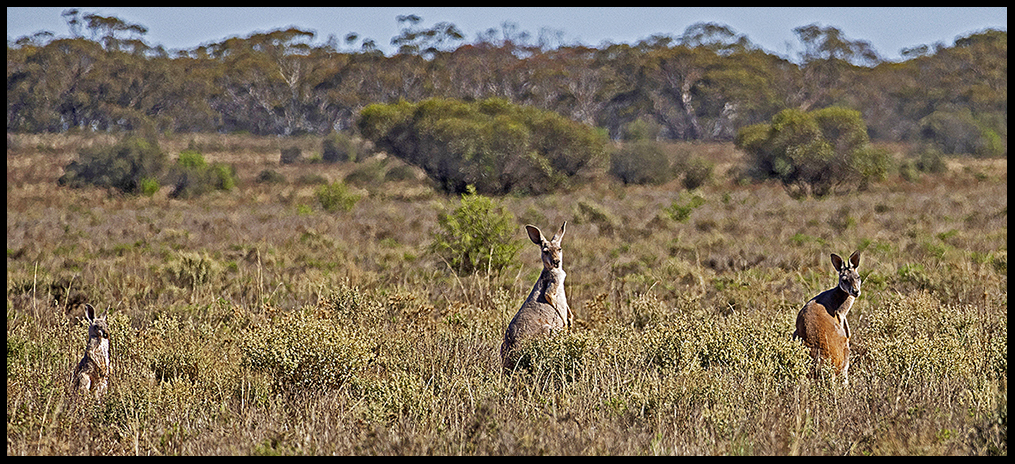
Some kangaroos give me the eye on my search for a good campsite.
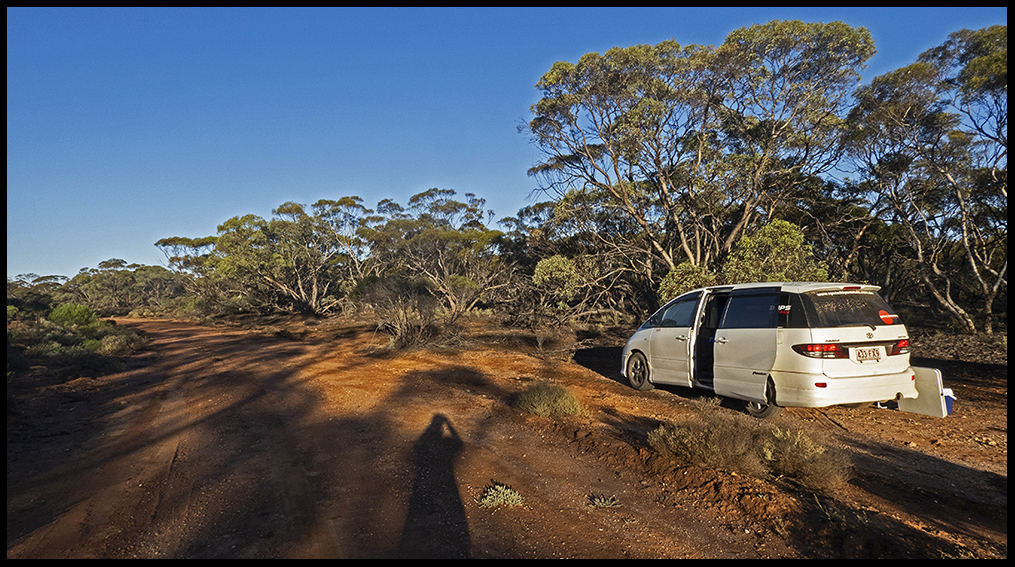
Ah, this will do nicely.
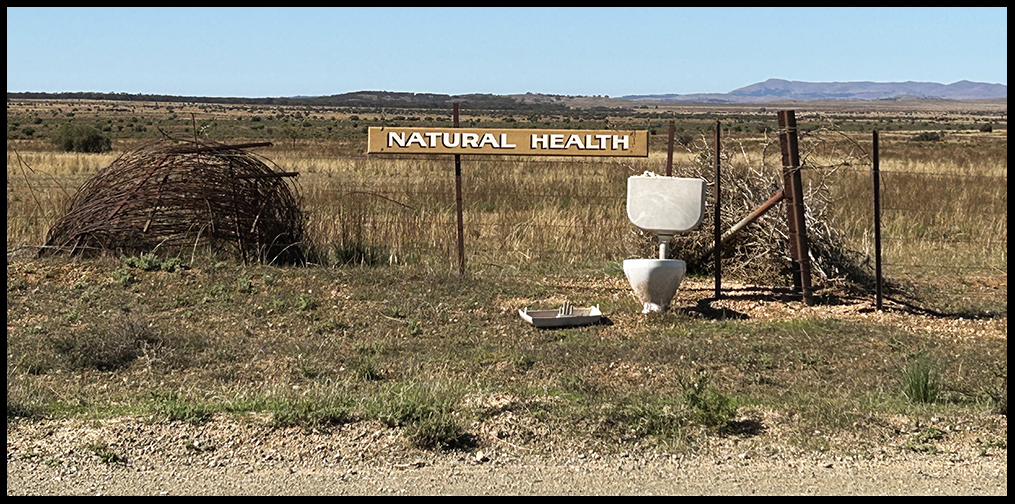
Leaving the next morning, I passed this enigmatic arrangement.
Driving through SA it’s easy to see signs of an earlier agrarian economy. There are hundreds of ruins suggesting a busier era.
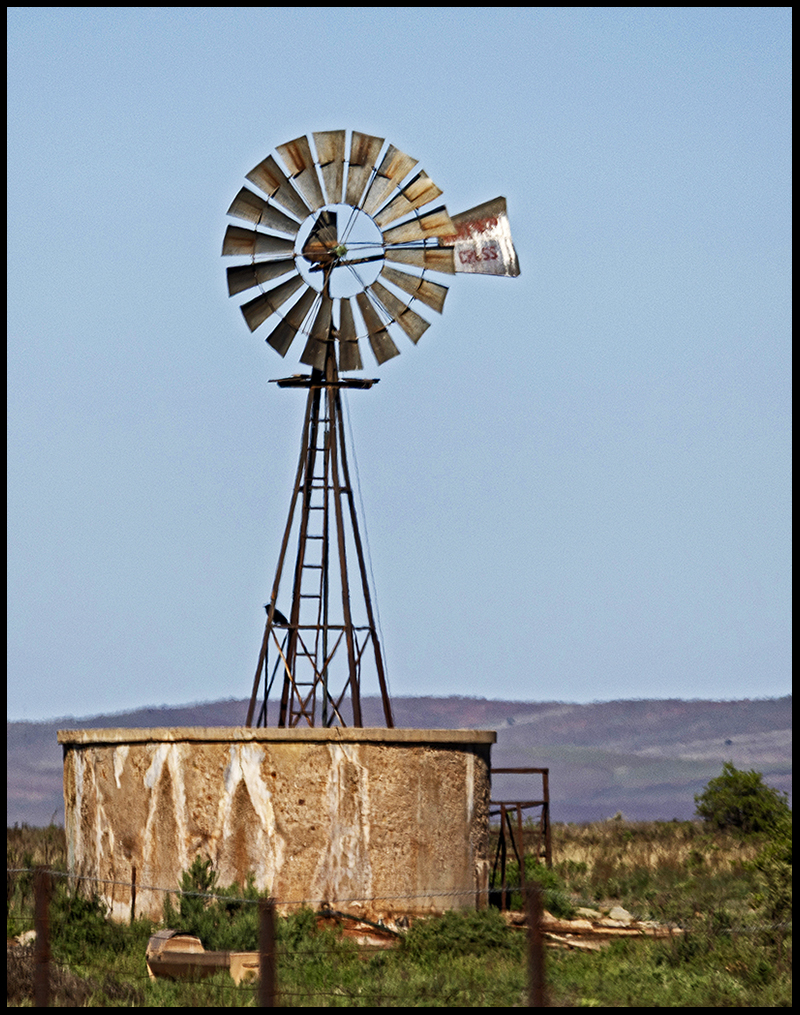
This one might still be pumping.
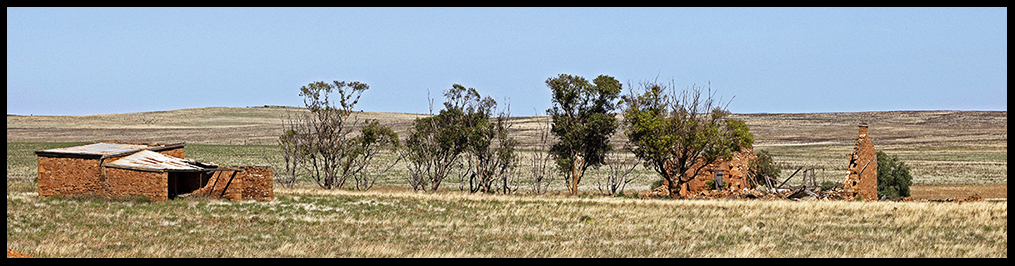
Relics of the past.
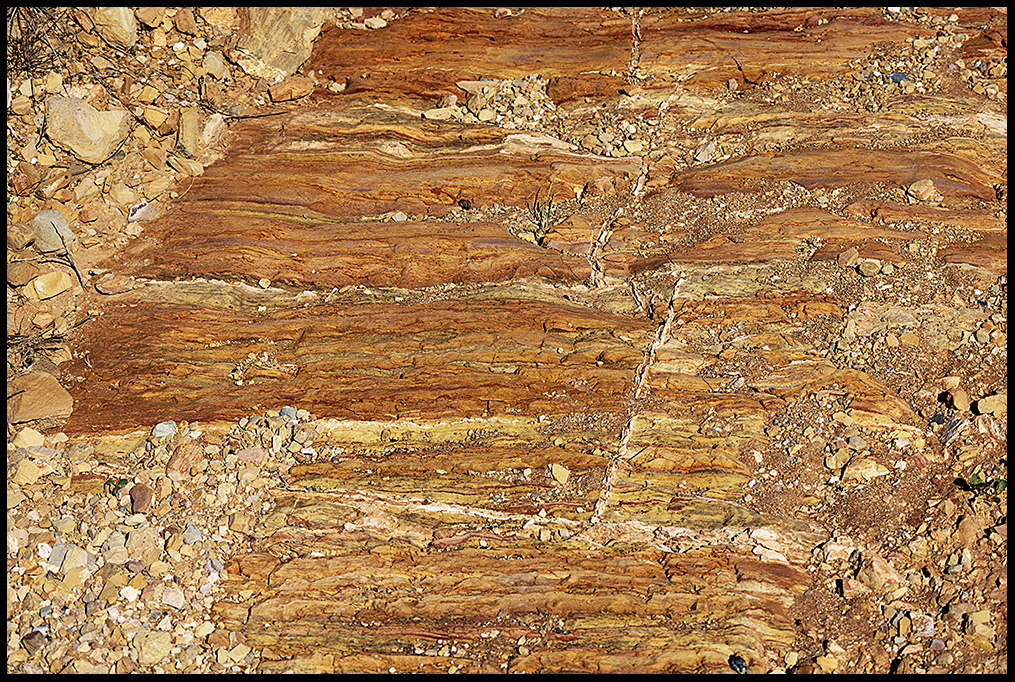
Local stone was the construction material of choice.
Stopped in Peterborough for gas and then stopped again in Orroroo to see its claim to fame, a large gum tree. I passed by Iron Knob where nearly 100 years of mining ended in 1998, although apparently, they reopened the mine in 2013 on a limited basis for local smelting. Now they run mine tours to keep the small town alive.
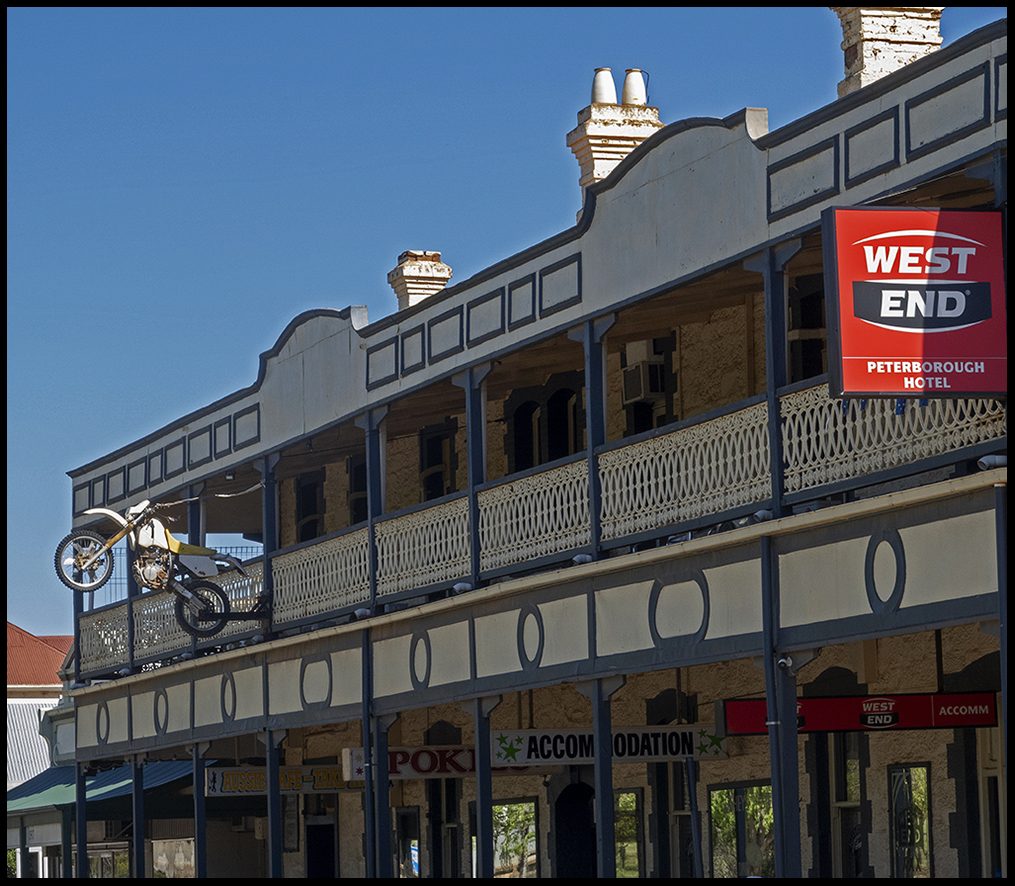
Peterborough’s hotel/pub with flying motorcycle. Pokies betting machines are found in most pubs. Aussies are big gamblers, but, with more online opportunities, the rest of the world may be catching up.
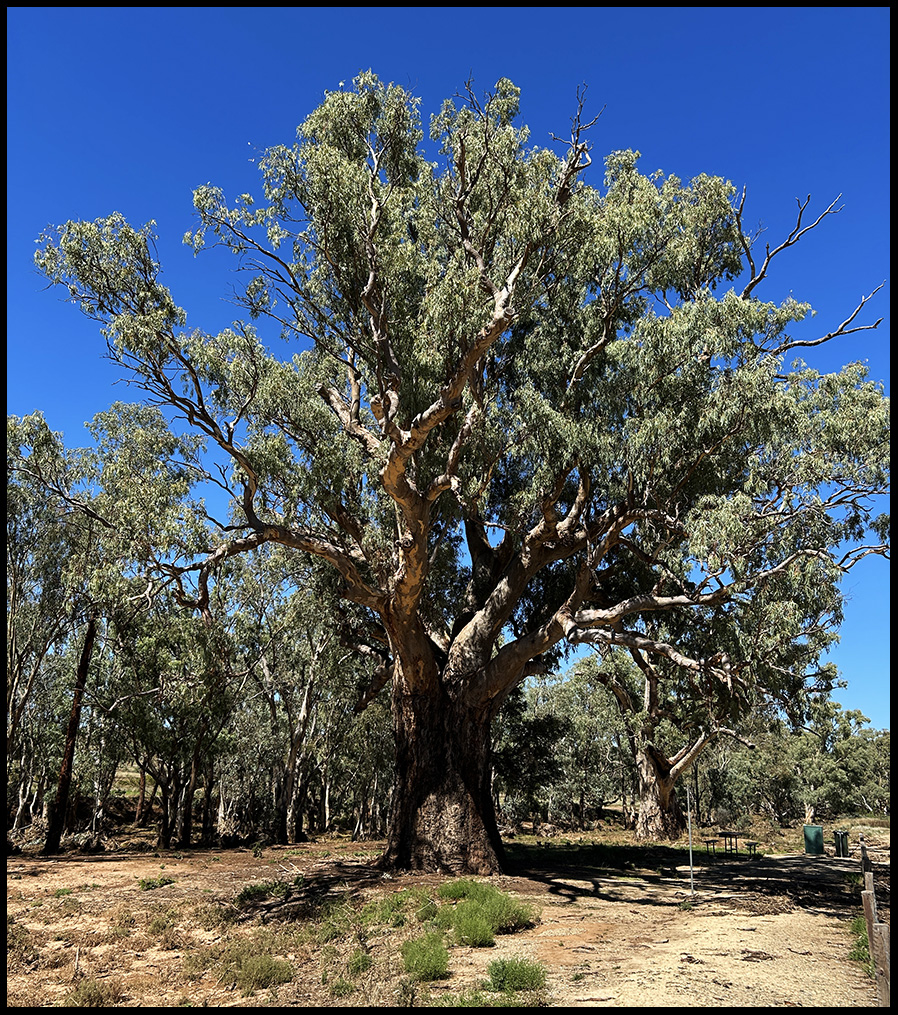
Orroroo’s Giant Gum tree…not a busy tourist draw.

The Iron Monarch Open Pit mine opened in 1900. The ore was carted to distant Port Augusta by ox cart. The high quality iron ore started the Australian steel industry. Foreign exports brought in necessary income to the area. Tailings piles from the years of mining are visible from the road.
In Kimba, I stopped for gas, and revisited an old friend…The BIG Galah. It stands 8 meters tall (a little over 26 feet). Made of steel, sturdy chicken wire and fiberglass in 1993, it was updated in 2021 with a grant from…wait for it…the National Radioactive Waste Management Facility New Community Benefit Program. Next to it stands another new attraction, a painted grain elevator. Painted elevators are newer, impressive art projects to attract tourists to out-of-the-way places.
The 1993 original BIG Galah taken in 2011.
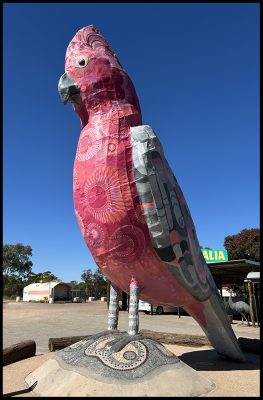
The new, spiffy, updated version from 2021.
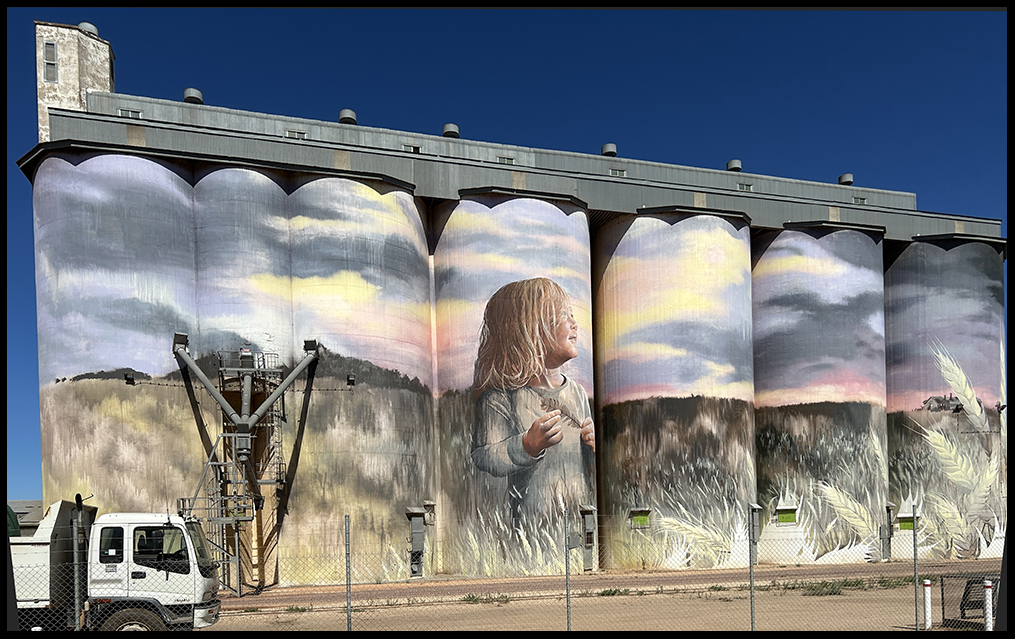
The Kimba Elevator
Leaving Kimba I saw a sign pointing to Gawler Ranges National Park. It was time to look for an overnight campsite. The parks along the coast were overwhelmed with tourists, but I figured an inland one wouldn’t be so busy…maybe I wouldn’t need a reservation? However, I was envisioning rangers, campgrounds, maybe even showers. Humm, not exactly. I did see a park boundary sign on the way in, but no map, no brochure, no ranger station, no nothing…only dirt roads and one sign telling me there would be no cell coverage from here on. I continued until I was stopped by a flood covering the road. I should have camped there and not worried about being in the middle of the road.
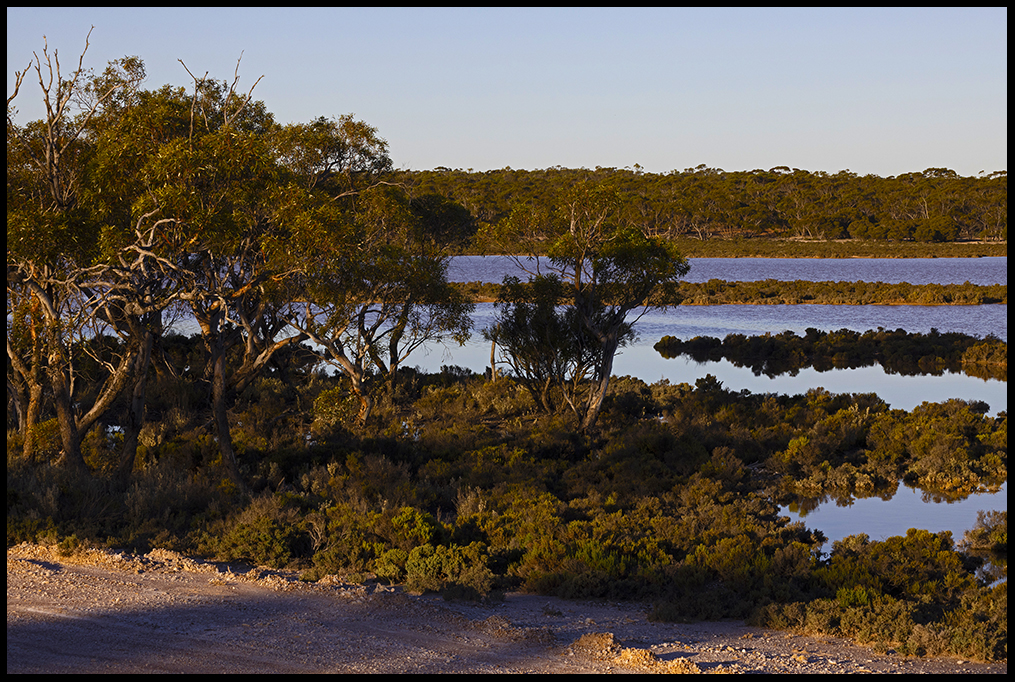
The end of the road where I should have stopped.
Now comes a painful confession. I made a really dumb decision (that’s dumb with a B, a joke for my N. American readers). I tried to fly my low-clearance Spaceship over a sand embankment to get to an off-road campsite.
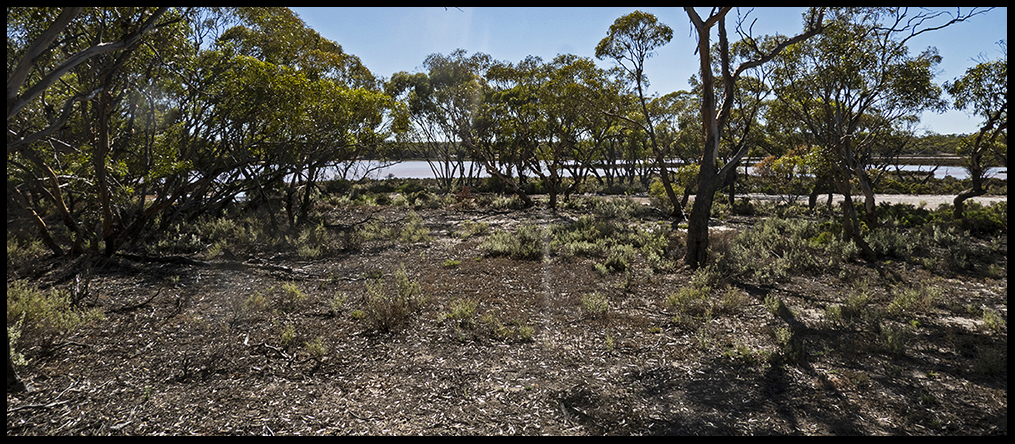
The campsite. Flood in the distance.
BIG OOPS. Now I was high-centered with one back wheel in the air. There was no one around, but I had plenty of food and propane for my stove, and a whole lake for water.

The flooded area. A park notice from June 10, long after I left, warned, “Heavy rain in Gawler Ranges NP has damaged several tracks. The park is currently accessible by 4WD only. Wet and boggy conditions may be present. Please take adequate recovery gear and drive with caution.”
I wasn’t worried about dying out there, but I didn’t look forward to spending the rest of my vacation digging myself out with a garden trowel.
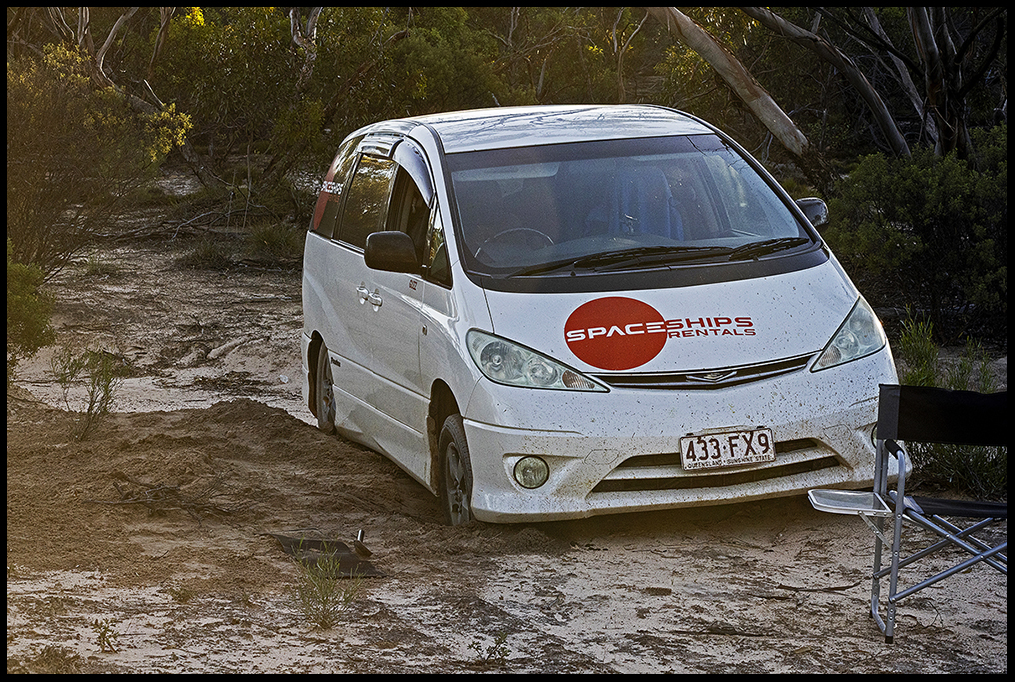
Oh Shit! It’s worse than it looks.
But I dug and dug, spent the night at a slightly rakish angle, got up in the morning and started digging again. After digging awhile I stood up to rest…and what to my wondering eyes did appear, but a white 4WD truck at the flooded road. Years ago, I learned that if one is in trouble in the outback, one should yell…Coo-ee. The aboriginals found that particular long, shrill sound can travel remarkably far, making it an essential Bush signal. I ran toward the truck waving my arms and shouting coo-ee, coo-ee, coo-ee. The driver rolled down his window, and in the understated Aussie style, said “I thought I had a loose wheel bearing.”
Oh, my knight in shining armor! Turns out Geoff Scholz just happened to be visiting his outback safari camp and decided to take his grand-daughter to see the unusual flood. He towed me off the sandbank and suggested I go to Venus Bay for a needed rest. I thanked him and my lucky stars. PS: Should anyone ever be in the area and want a super outback experience, please check out my shining knight’s Gawler Ranges Wilderness Safaris at www.gawlerrangessafaris.com
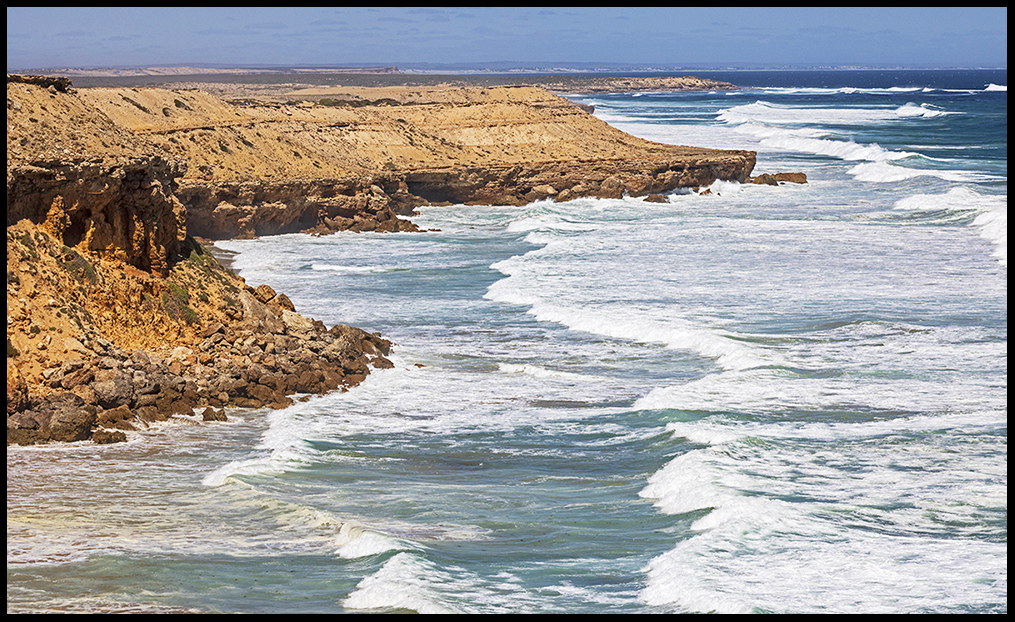
Cliffs on a peninsula overlooking the ocean. The Bay is on the other side.
An RV Park and shower was just the thing. I stayed 2 nights in an unpowered site. It was perfect. The big RVs in the powered sites were jammed in like sardines, but the unpowered area was nearly empty and on a bluff overlooking the bay. The birdlife on the beach was a wonderful change from the dearth of wildlife I’d been seeing.
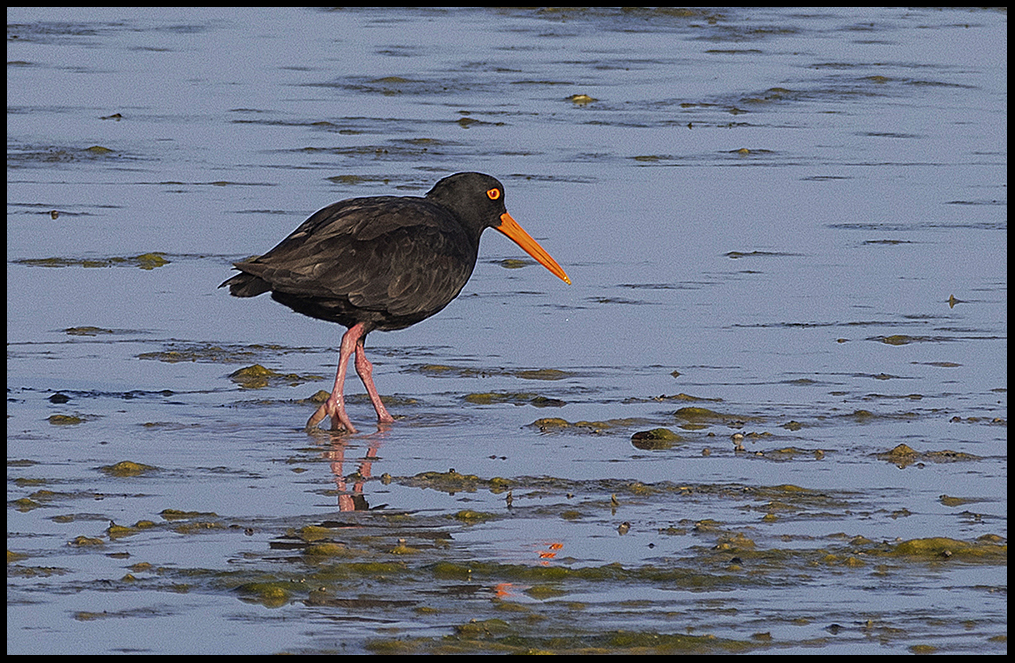
Sooty Oystercatcher. There are hundreds of oystercatchers here.
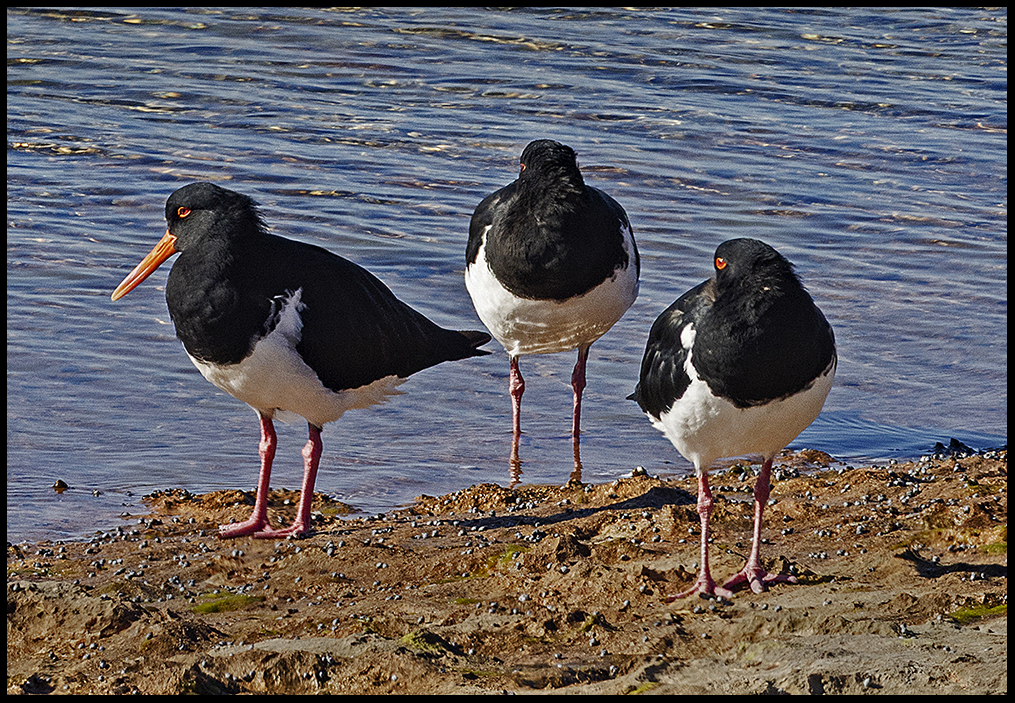
These are Pied Oystercatchers.
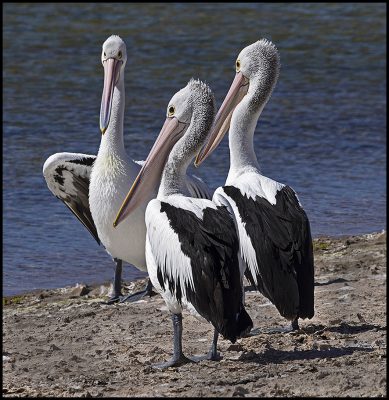
Australian Pelicans. This area has an abundance of pelicans. Fishing ports always do.
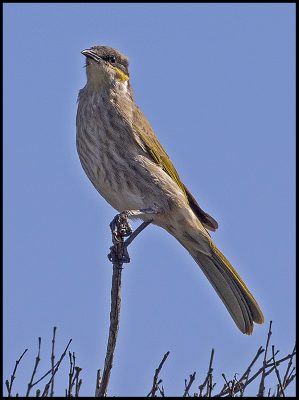
A Yellow-plumed Honeyeater. Honeyeaters are quintessential Aussie birds. There are many species.
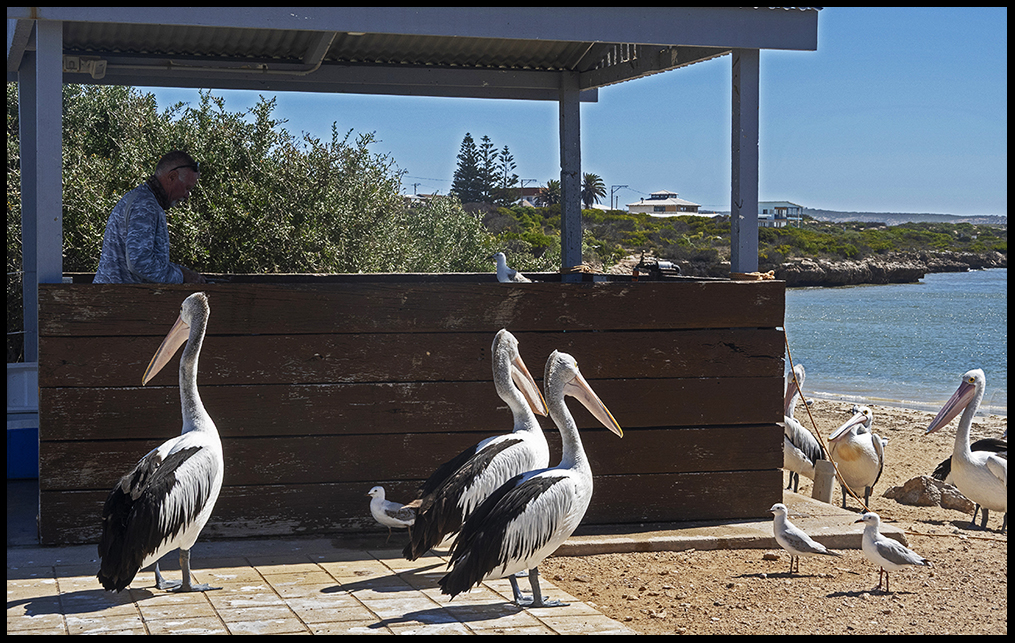
They wait, somewhat patiently, for a fisherman’s scraps.
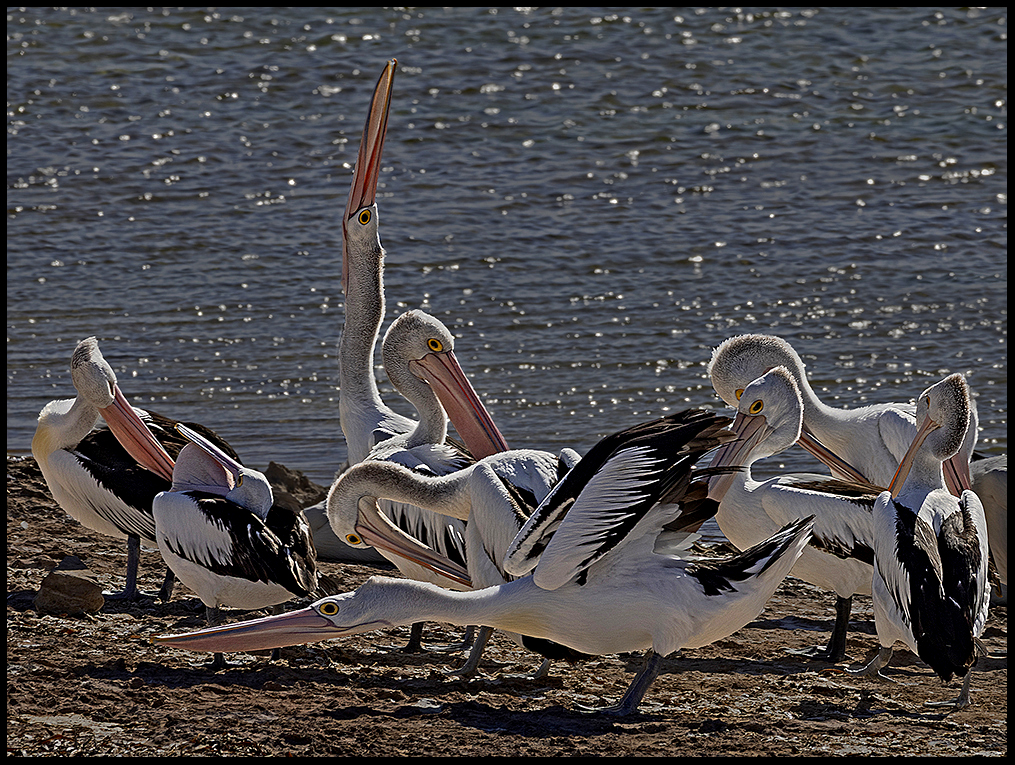
These relaxing pelicans look so goofy.
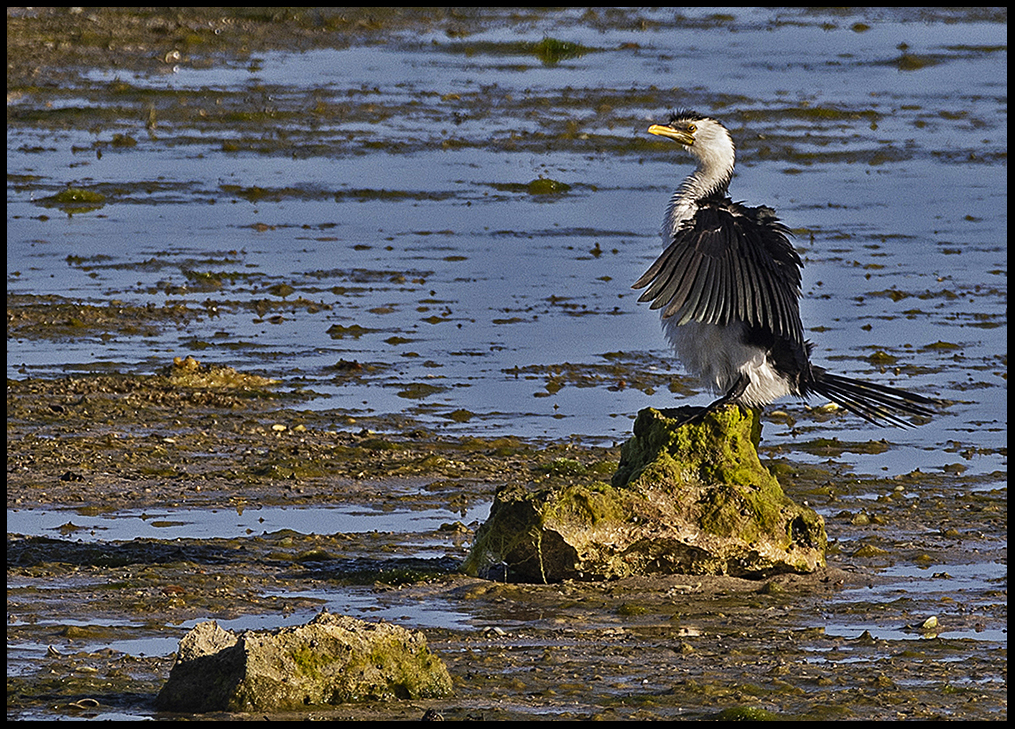
A Little Pied Cormorant drying its wings
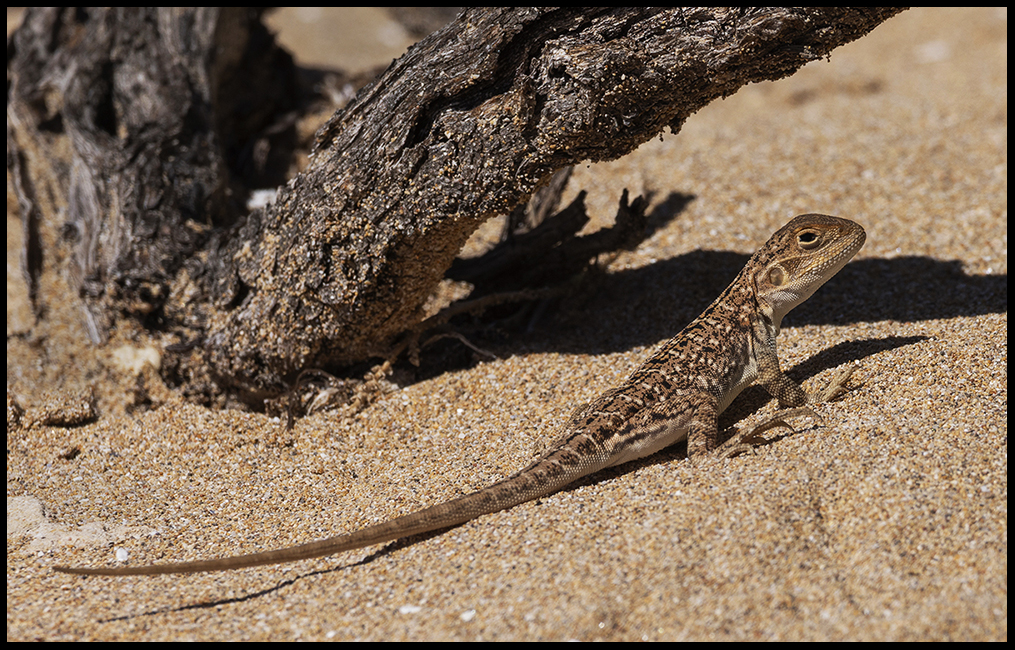
And finally, some genuine wildlife.
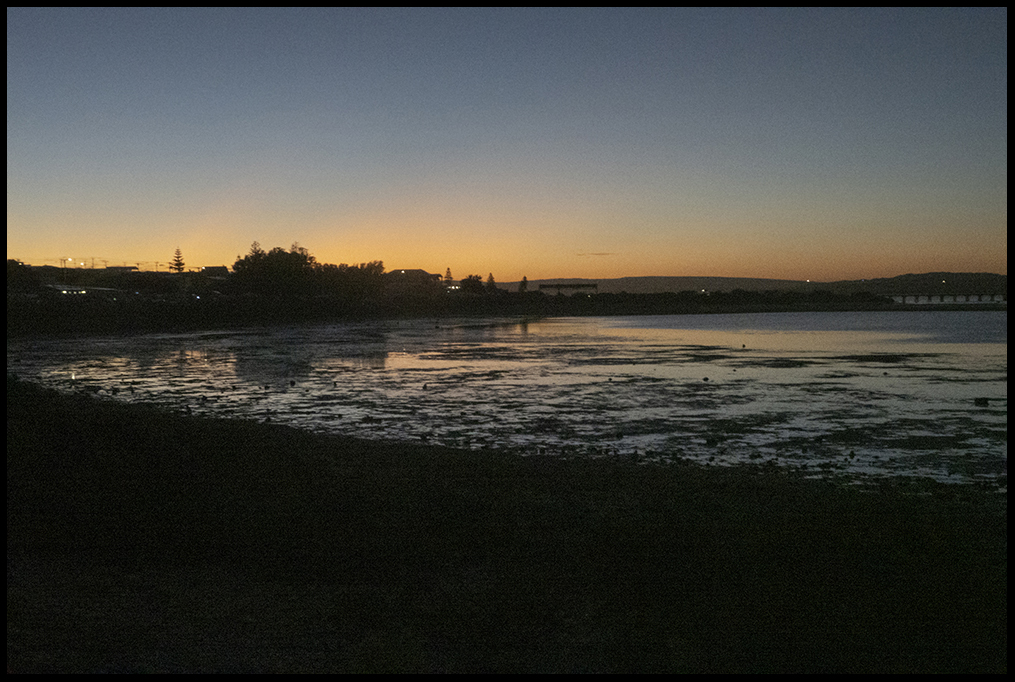
Close to the fall Equinox in March, the sun sets over the tidal bay.
Stay tuned…next adventure will be Kangaroo Island, south of Adelaide.