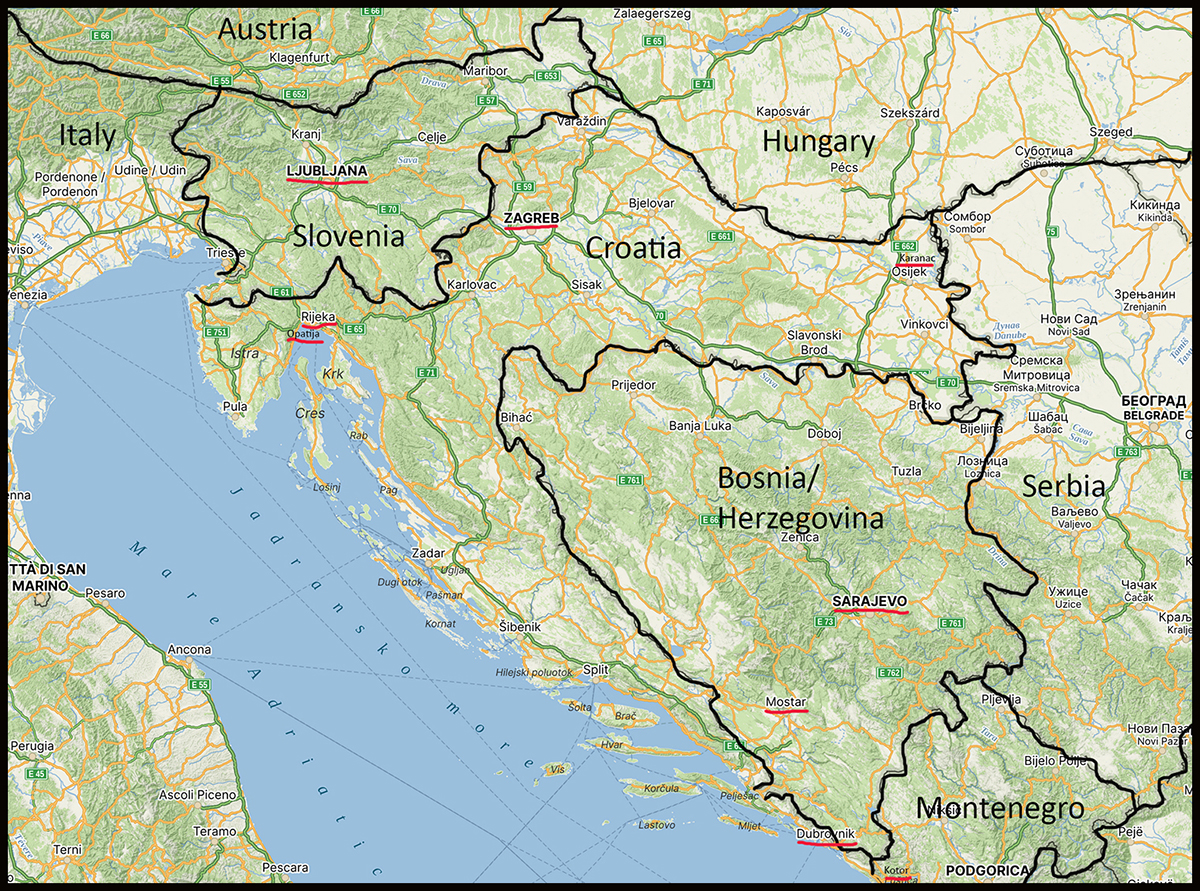
Area map: notice the small Adriatic Sea access strips for B/H and Slovenia .
Leaving Dubrovnik, on the way to Mostar, in less than an hour we cross the tiny access to the sea for Bosnia/Herzegovina (B/H) with the two border crossings. The Croatians figured out how to avoid this by contracting a Chinese firm to build a one-and-a-half-mile bridge from a small Croatian peninsula to the other side of the gap. Finished in 2022, the €526 million project was mostly funded by the EU to improve connectivity and reduce border crossing issues.
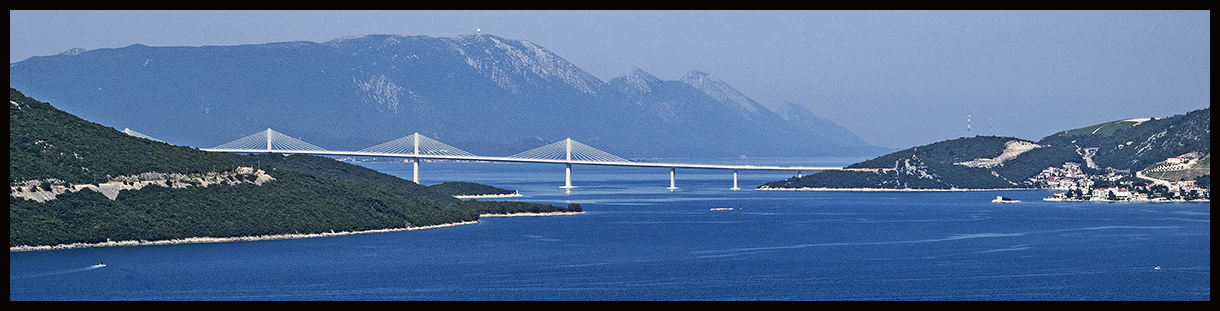
Chinese bridge spanning the short gap, saving the 2 border crossings within an few miles of each other.
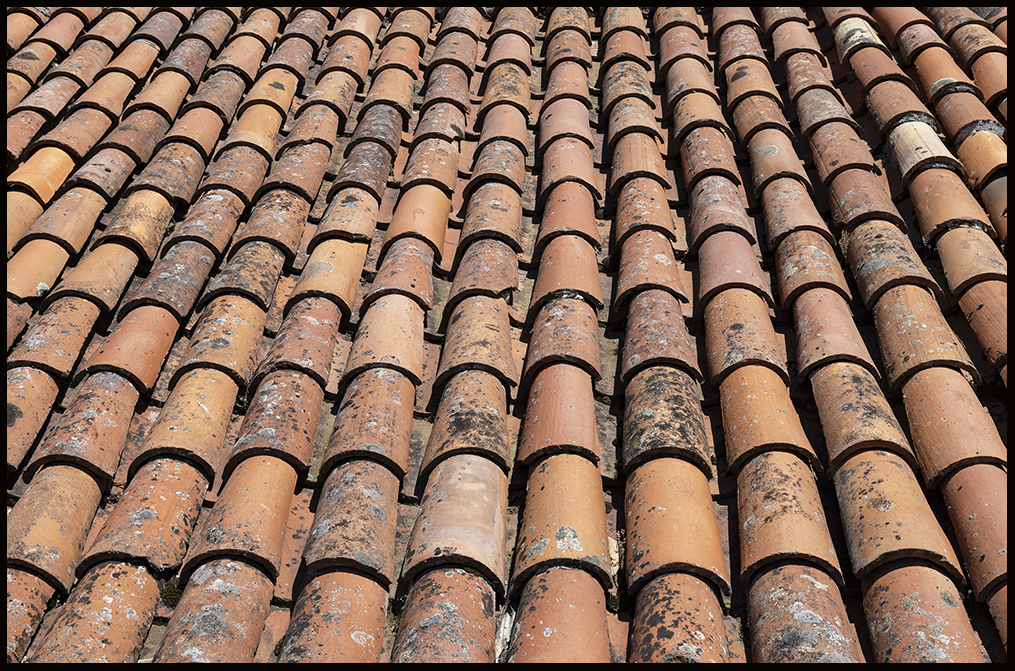
One interesting thing I noted is that the legally required red tile roofs of southern Croatia, aren’t required in B/H.
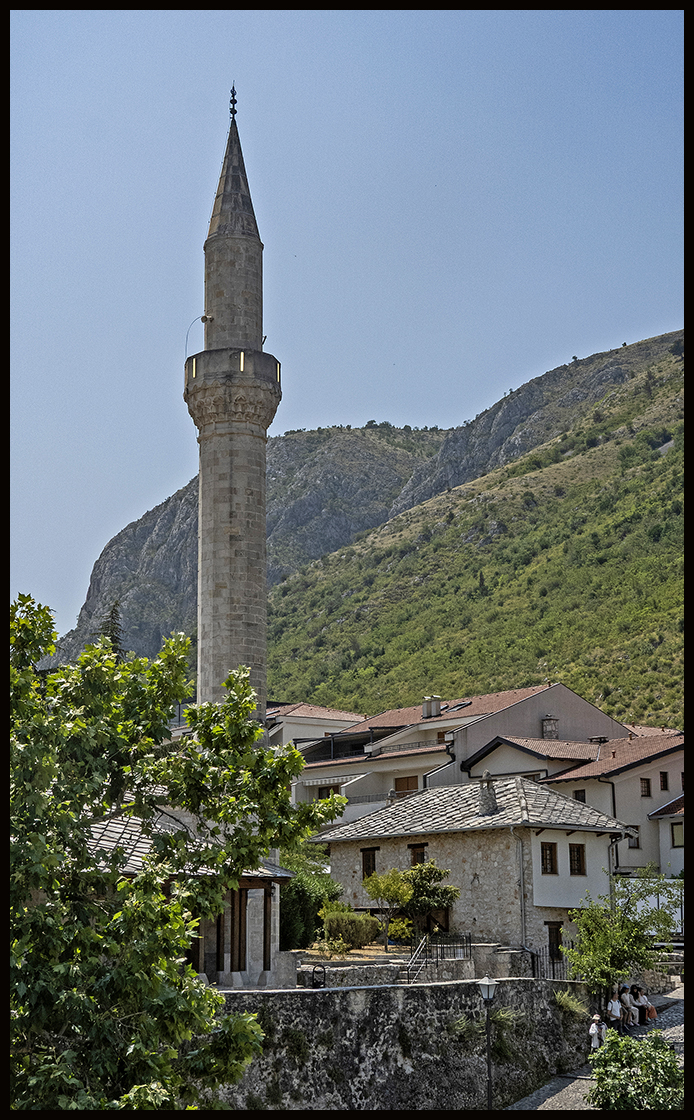
Driving through B/H many local mosques are visible from our bus.
Mostar is the historical center of Herzegovina and the fifth-largest city in the country. It was named after the bridge keepers (mostari) who guarded the Stari Most (Old Bridge) over the Neretva River during the Ottoman era beginning in mid-1400’s. Mostar was on the trade route between the Adriatic and the mineral-rich regions of central Bosnia even in Roman times (from 4th century).
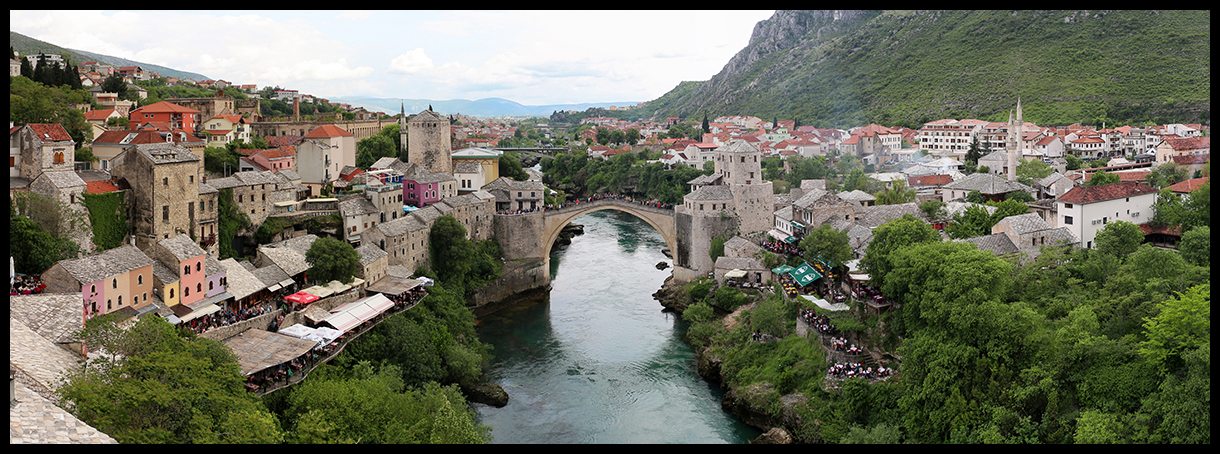
Bridge seen from the north. Photo is from Wikipedia taken by Bernard Gagnon.
The Old Bridge we see today, declared a UNESCO World Heritage site in 2005, was commissioned by Suleiman the Magnificent in the 16th century and is considered an exemplary piece of Islamic architecture. In 1878 Austria-Hungary took control of the region until they lost it after WWI.
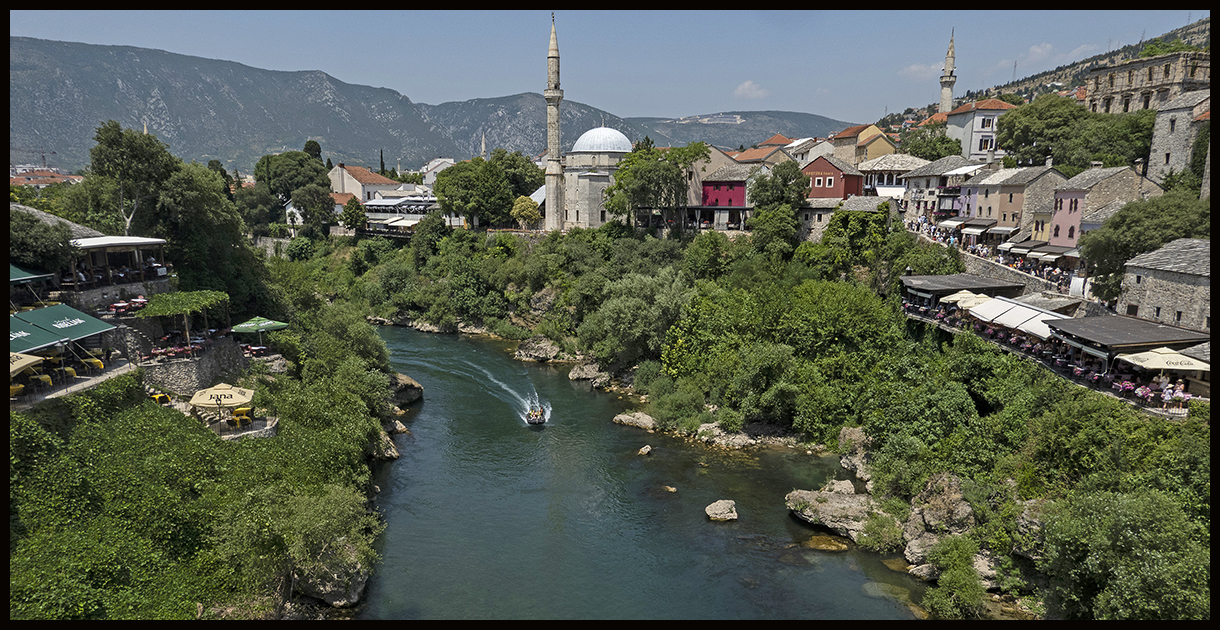
Upstream from the Old Bridge. Muslims and Christians live in harmony here…now. It wasn’t always the case.
After World War II Mostar did well financially after the communist takeover and unification as Yugoslavia. However, in 1992 B/H declared independence from Yugoslavia. The wars for independence raged in all the affected countries; Slovenia, Croatia, B/H, Serbia, Montenegro, and Macedonia. Numerous buildings in Mostar, and most of the city’s bridges, were destroyed during the fighting. The Bosnian war ended with the Dayton Agreement in 1995. Around 2,000 people died in Mostar during the war. The Old Bridge was destroyed and work to rebuild it to the original design began in 1999, ending in 2004.
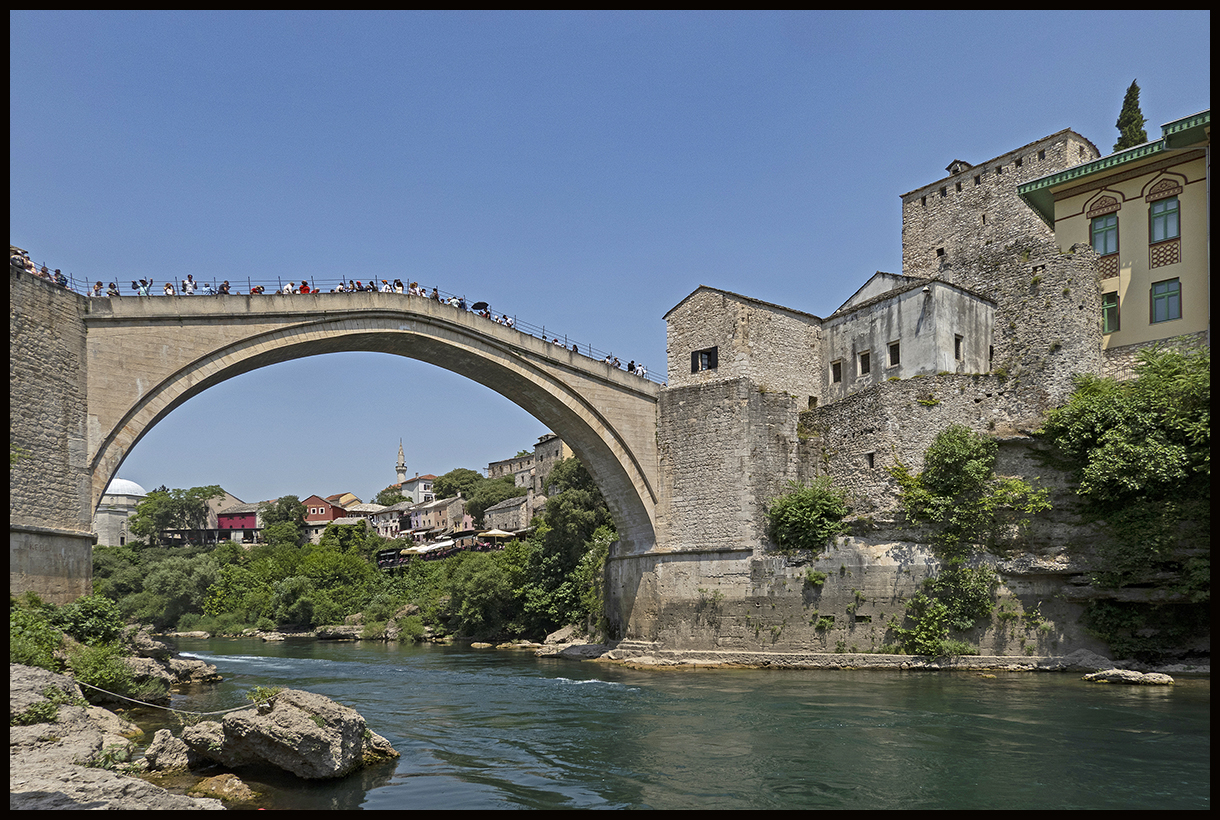
The Old Bridge with bits of the original watchtowers and ramparts on both ends.
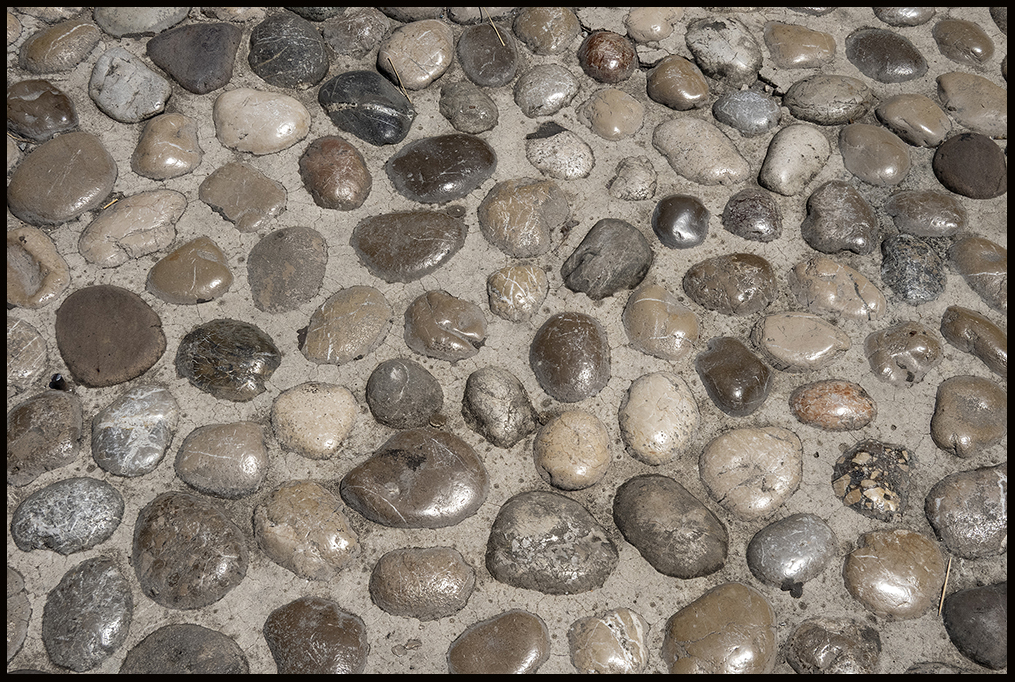
Walking across the bridge is a challenge as the cobblestones are hard on feet and slippery.
Our bus parked in a lot near the Catholic church and Franciscan monastery of Sts. Peter and Paul. The bell tower is a landmark hard to miss.
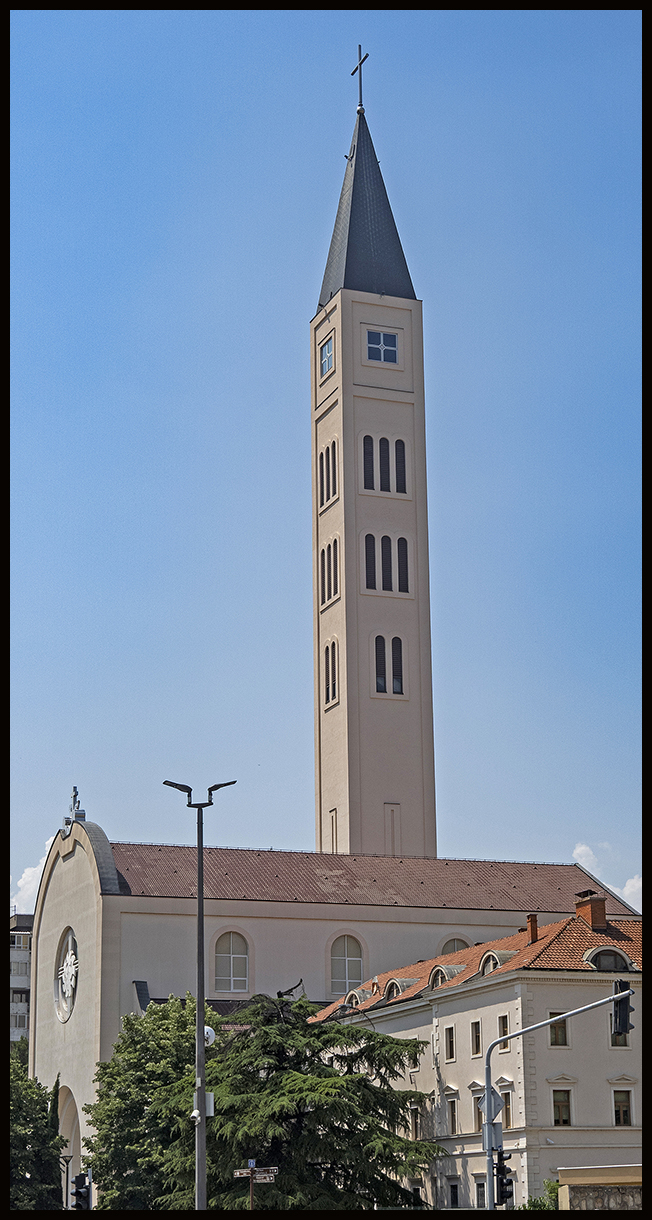
Catholic church and monastery. The bell tower was added in 2000.
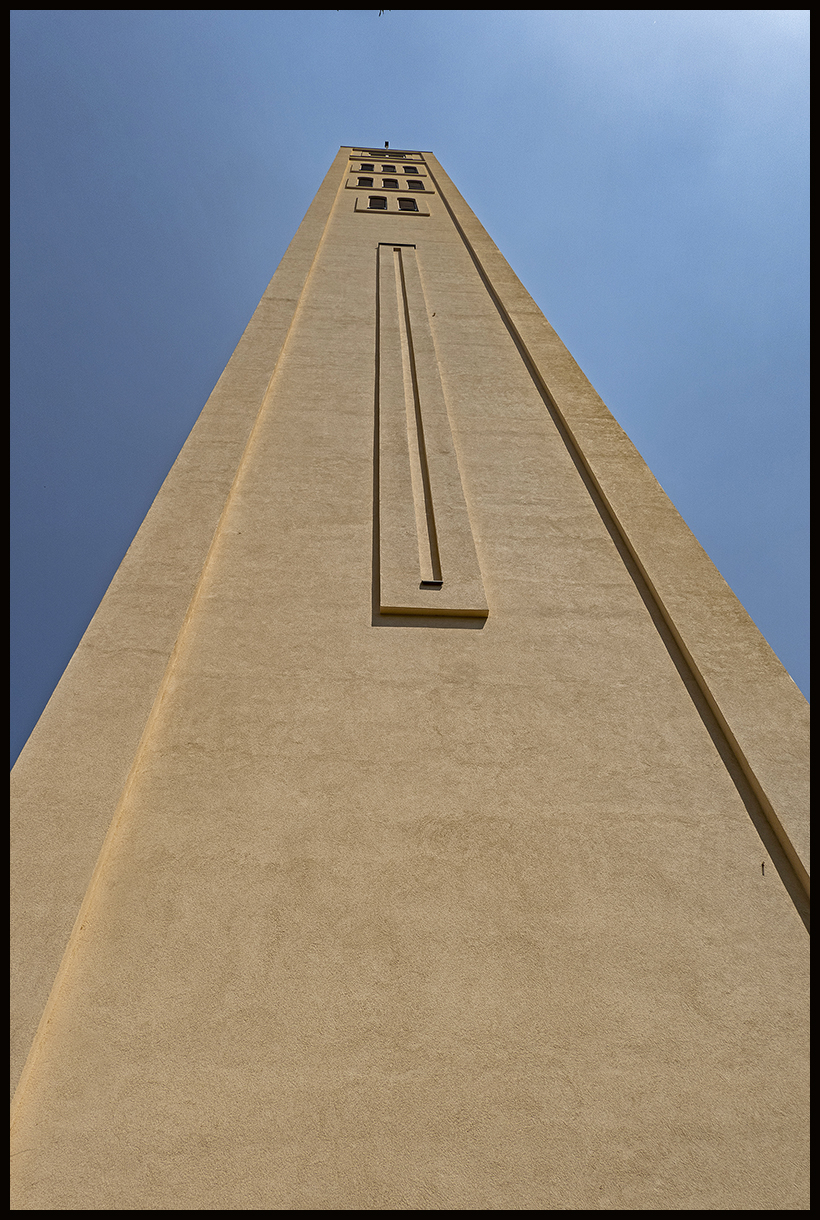
The Mostar Peace bell tower has a view from the windows at 246′. The spire tops out at 352′.
After lunch, Craig and I had some free time to explore some back streets of the city.
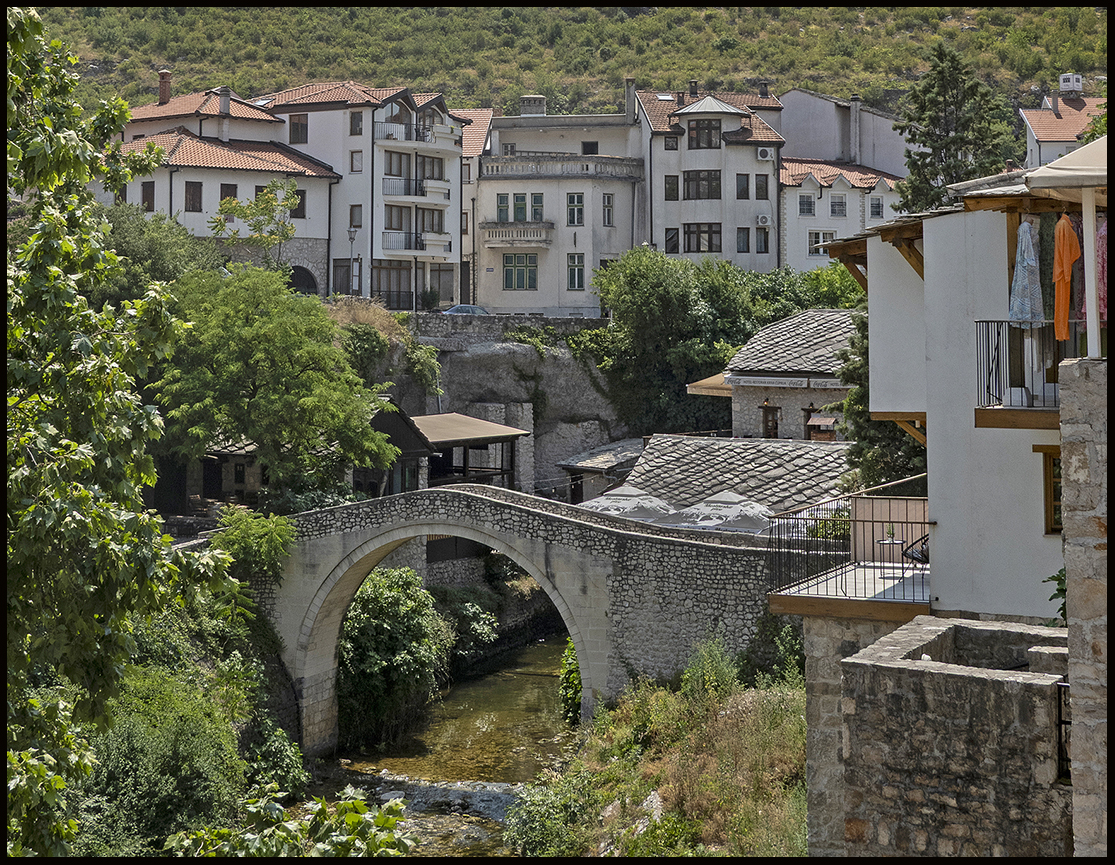
A smaller motorbike and pedestrian bridge.
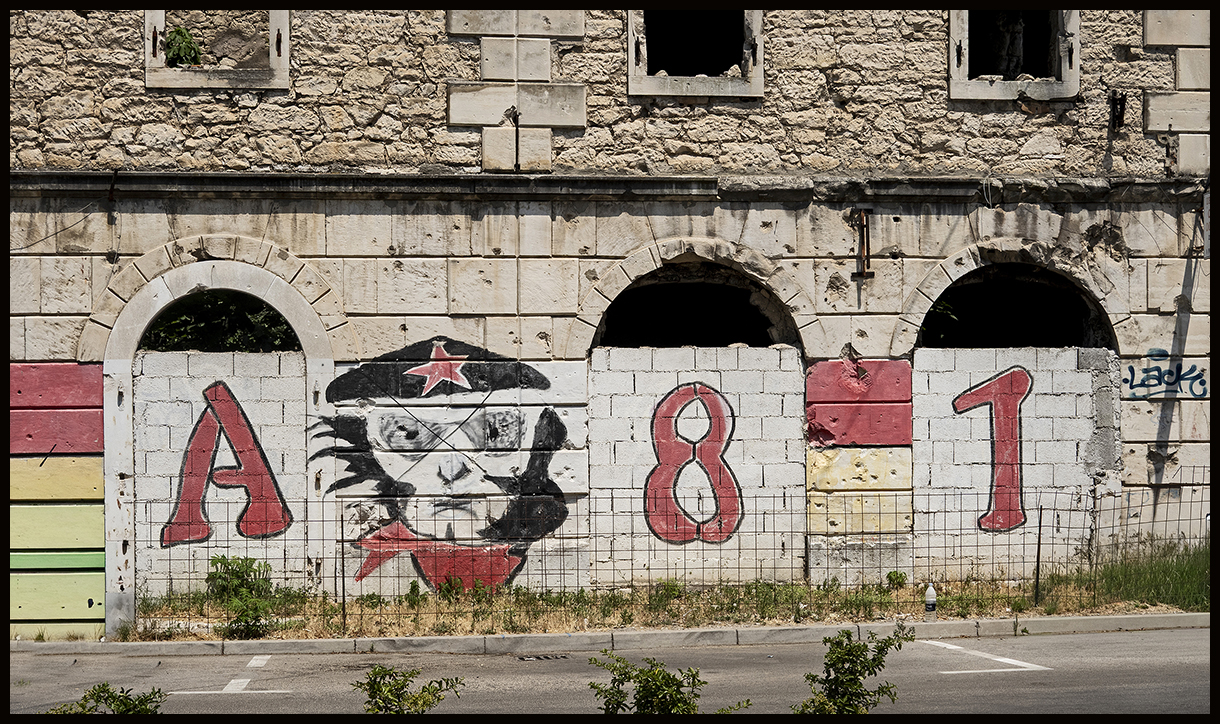
A bombed out building still not rebuilt.
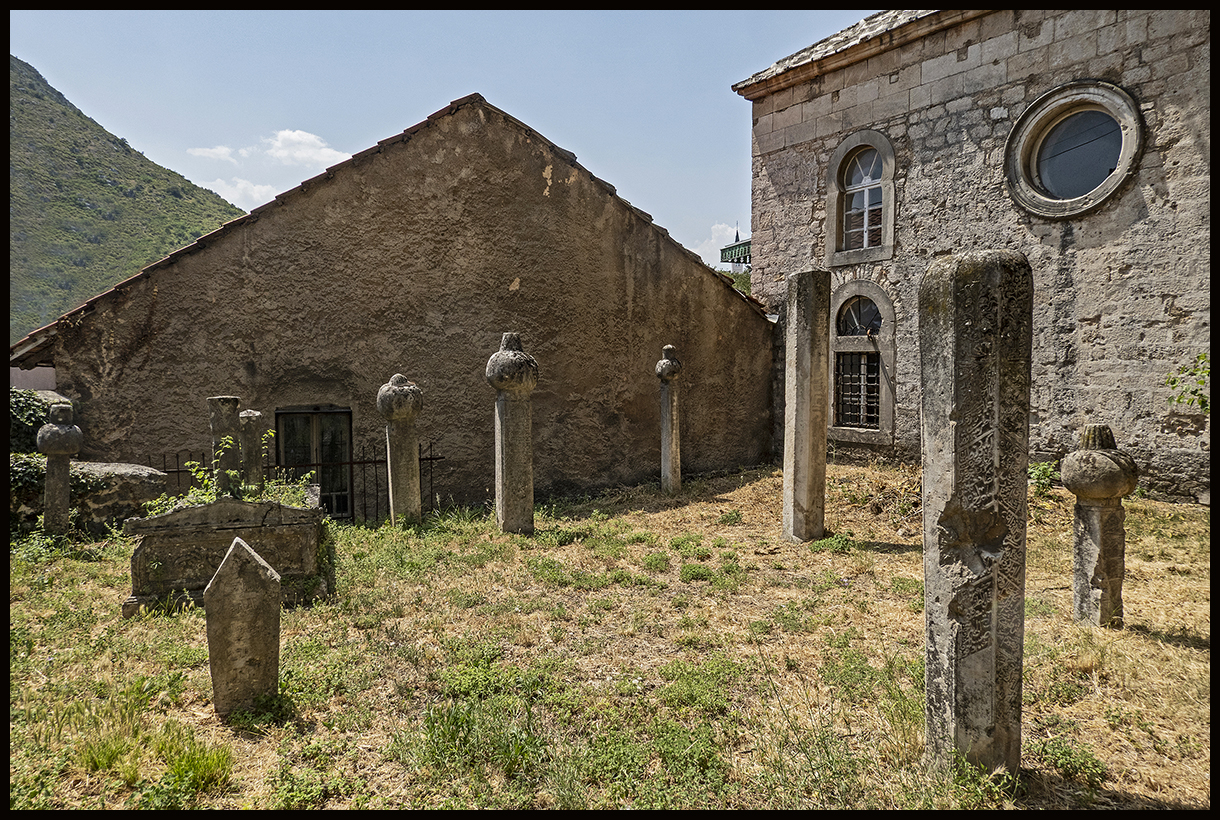
Ancient graves from another era.
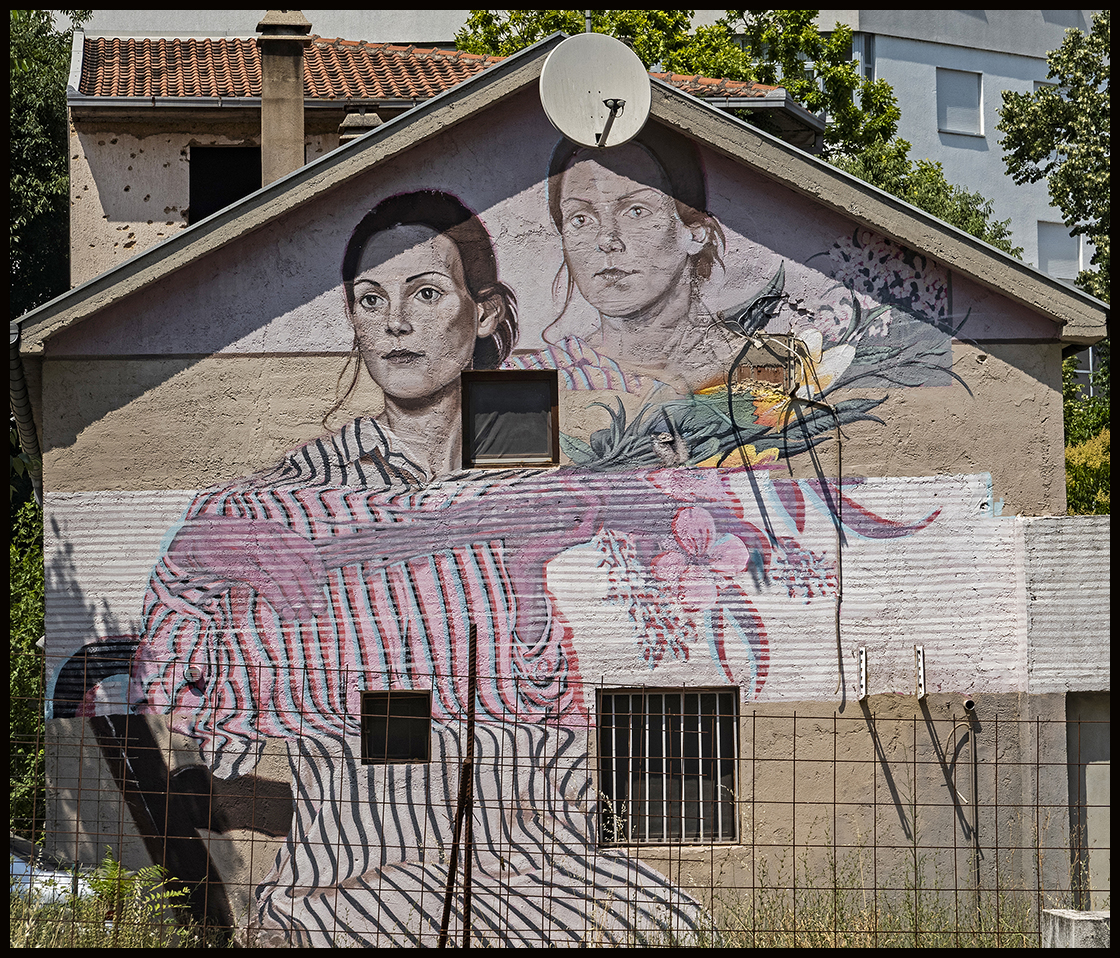
Some pleasant graffiti near the bus lot.
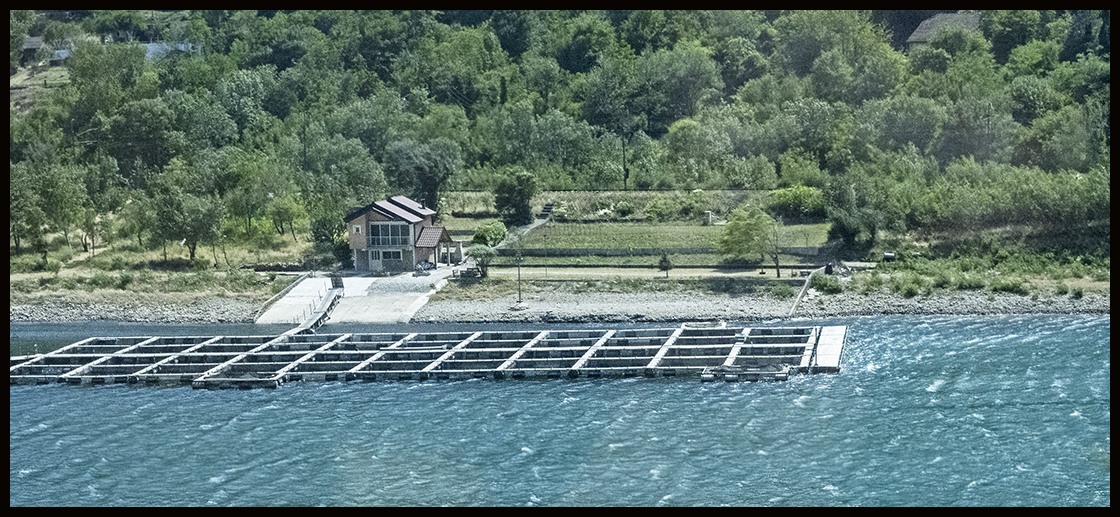
Leaving Mostar we followed a river valley. There were several water farms…not sure what they were growing, fish, oysters??
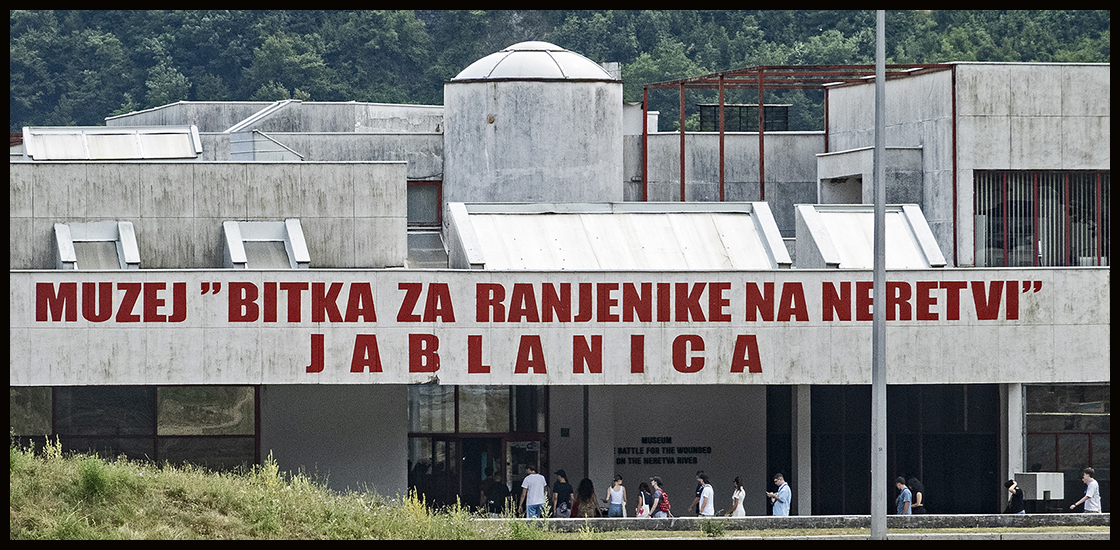
Next stop…Jablanica, a WWII war memorial museum.
Jablanica, not far from Mostar, is most famous for a pivotal WWII event: Battle of the Neretva River (also known as the Battle for the Wounded). In 1943 Yugoslav Partisans led by Josip Broz Tito blew up their own rail bridge over the river while a train was crossing, creating a major obstacle and diversion for the Axis forces. As the partisans were now trapped on the wrong side, they built a temporary foot bridge in 19 hours. Despite the attacking Axis forces, Tito and his men managed to escape with nearly 4,000 wounded.
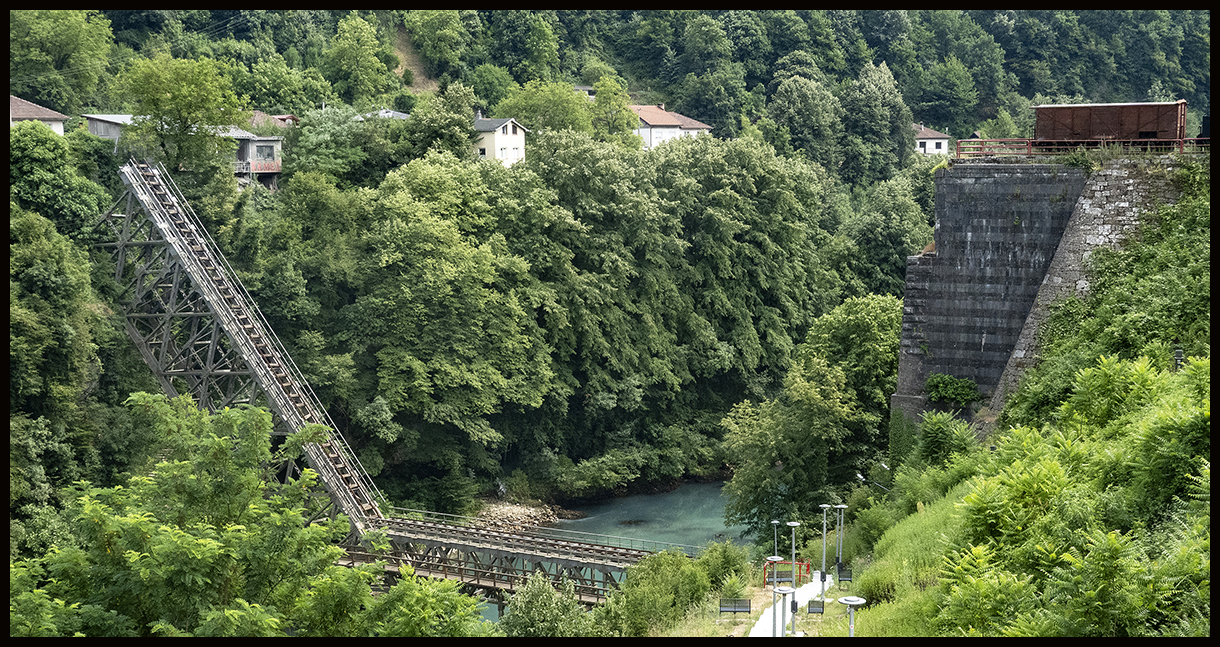
The blown up rail bridge is still there.
Next on the tour was Sarajevo, but that story is so major in the history of the Yugoslavian disintegration, I’m saving it for the next chapter. Leaving Sarajevo we stopped at a Lipizzaner stud farm.
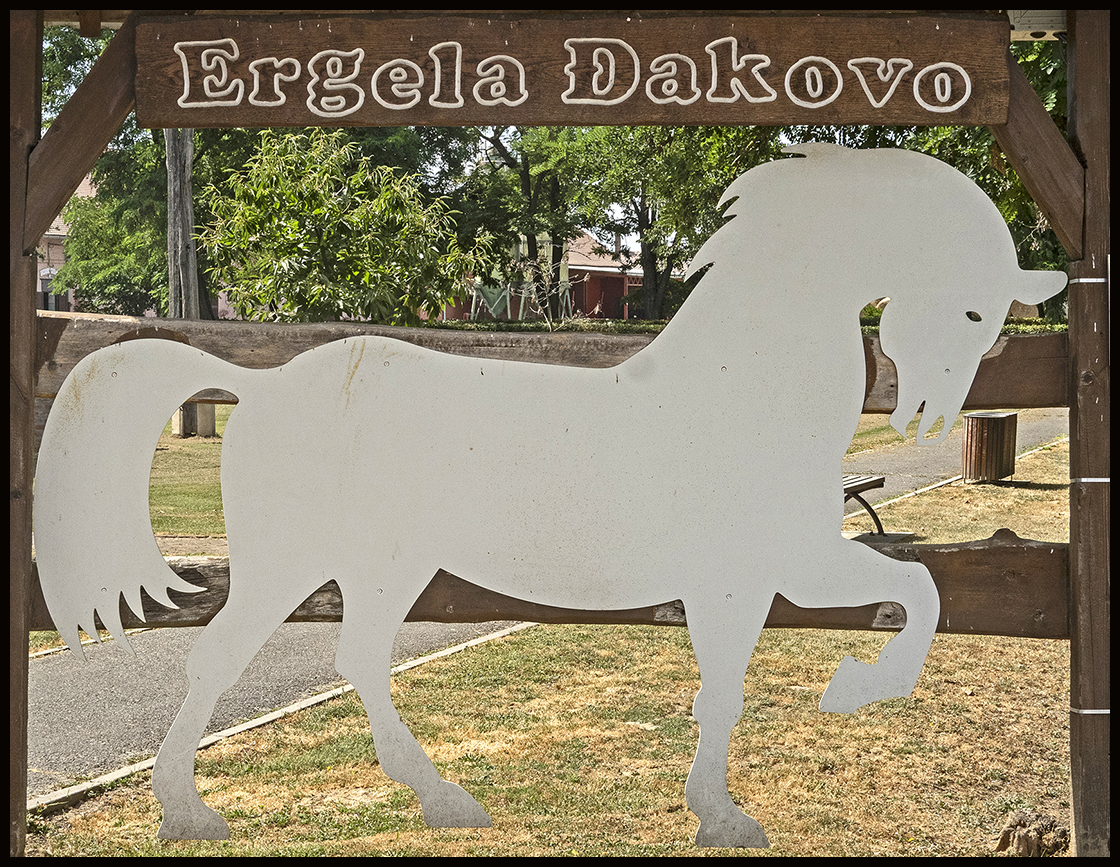
Entrance to the farm.
The stud farm we visited was established in 1843. By 1906 a new owner of the estate took possession of twenty thoroughbred Lipizzaner’s mares, and three stallions.
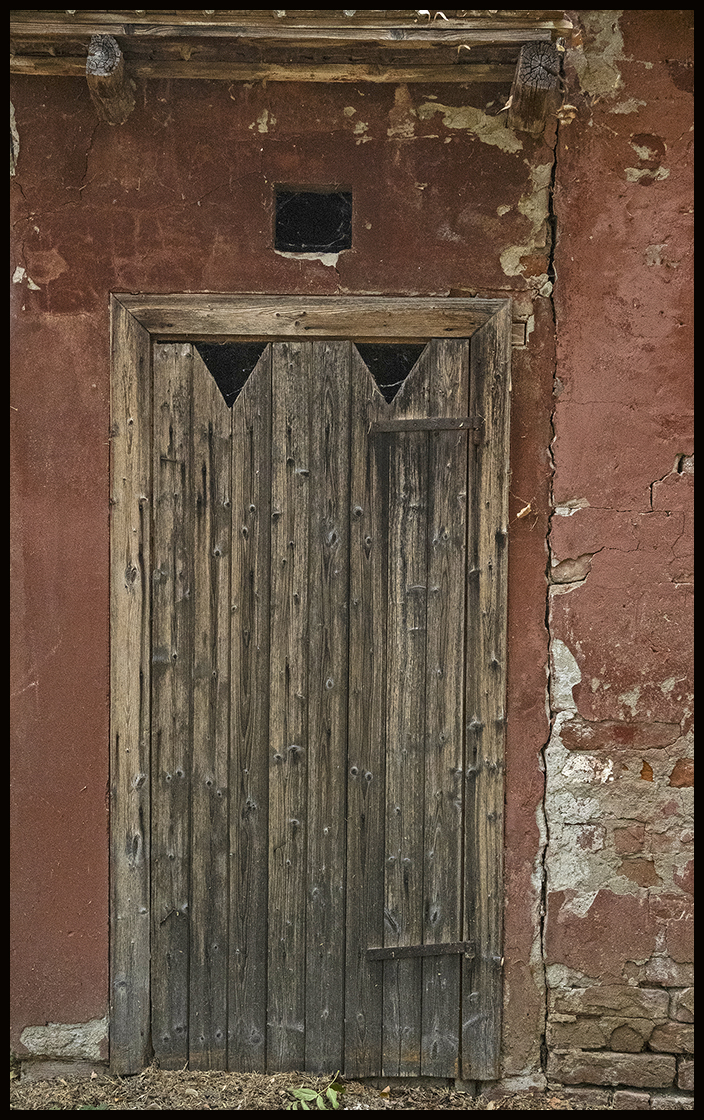
Old door on the farm.
At the beginning of the dissolution war, the stud farm was systematically destroyed, stables were burned and some horses were killed. The rest of the horses were seized and taken through the territory of Bosnia and Herzegovina to Serbia in November 1991. After years of negotiations, in October 2007, the surviving horses, 25 mares and 21 stallions, were returned.
Lipizzaner’s beautiful horses pulled the carriages of the queens of Vienna. The first breeding stock of Lipizzaner’s were imported to America at the end of the war in 1946. They are the national animal of Slovenia.
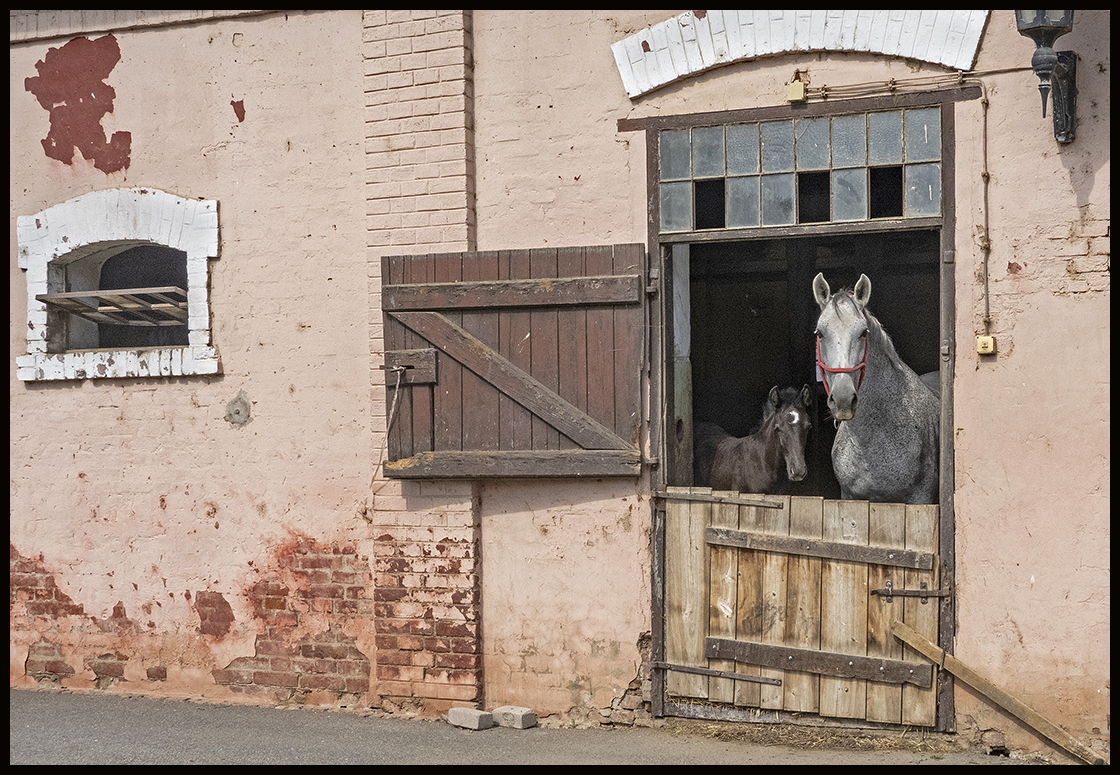
Old barns are still in use.

It takes a lot of hay to feed all the horses.
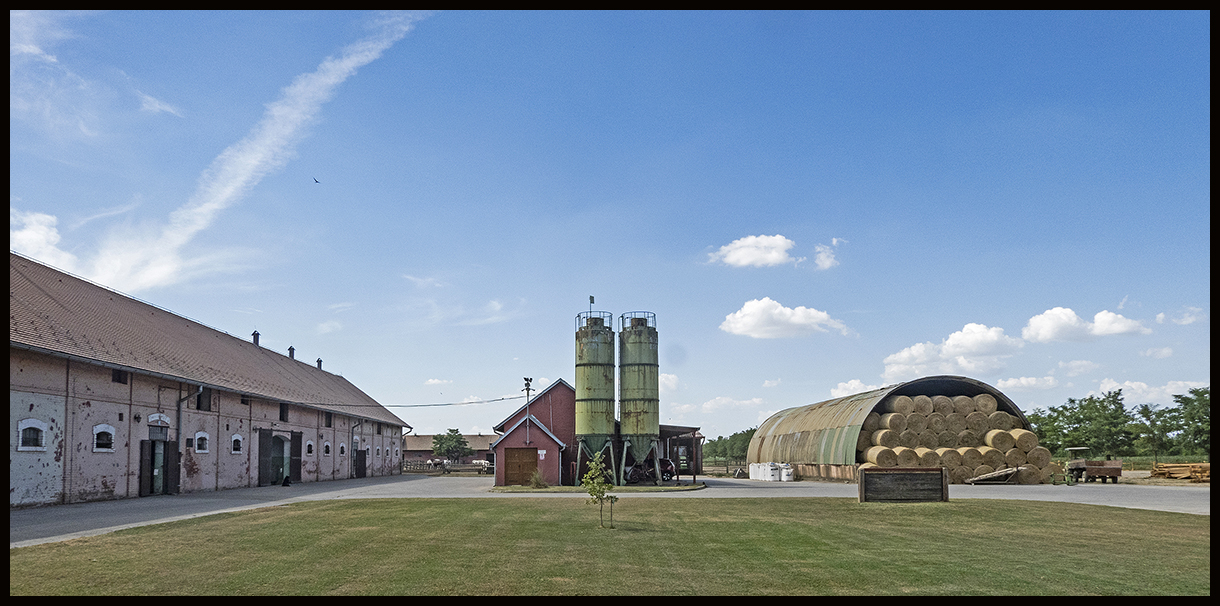
It is a very efficient farm. Paid tours of the facility happen daily
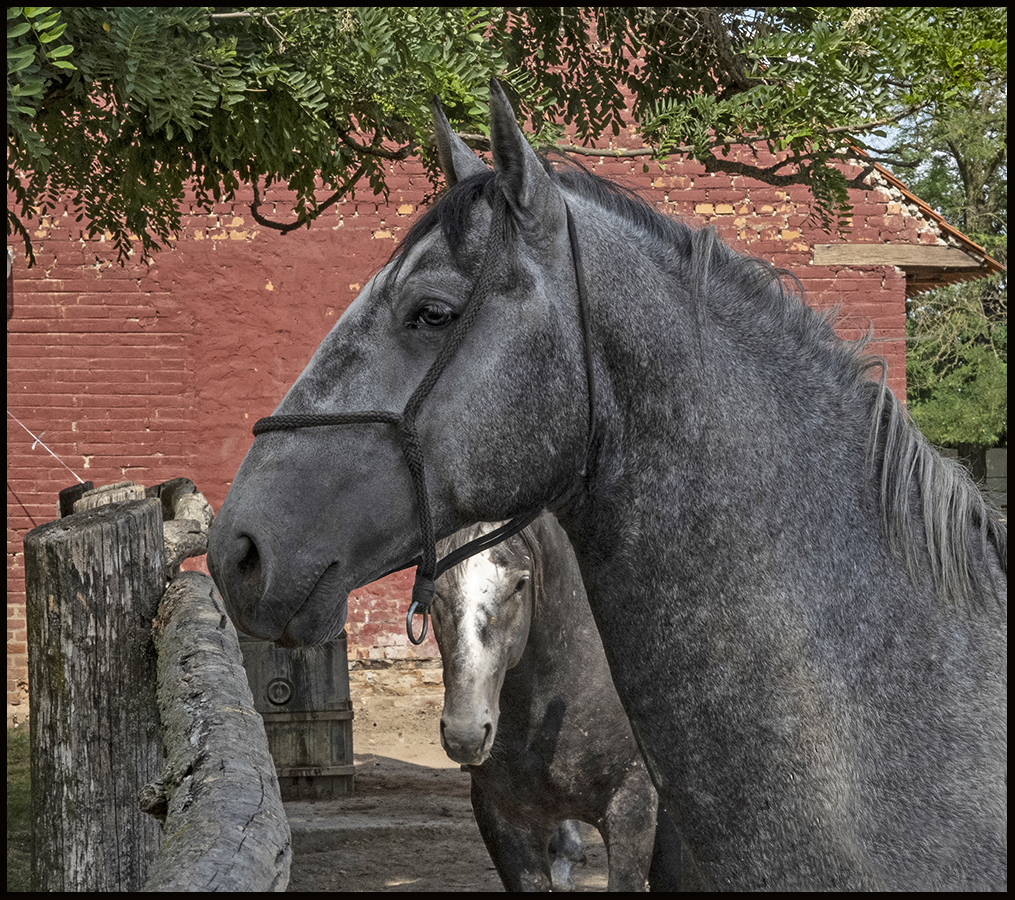
The foals are dark. They don’t achieve the classic white of the adults until 3 years old.
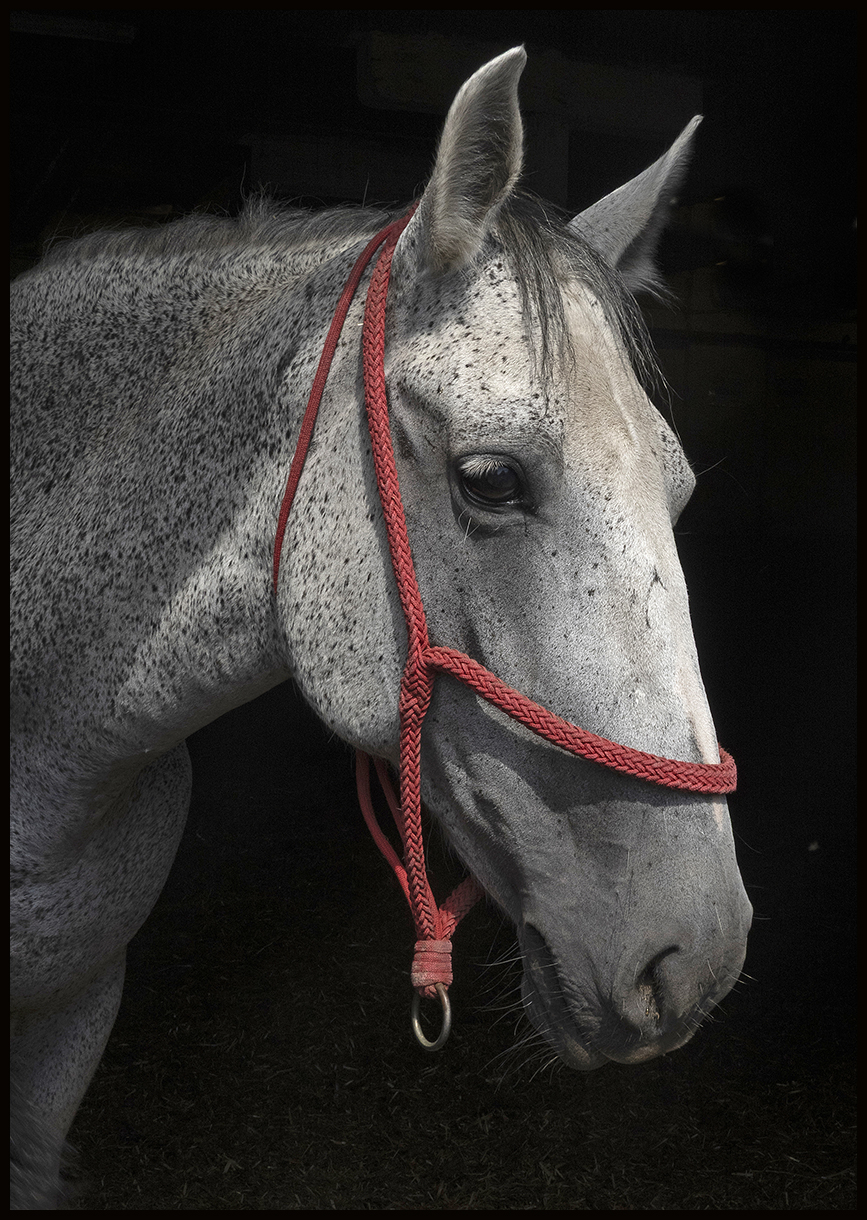
A beautiful mare.
If you are interested in more Lipizzaner history read about a WWII rescue of these famous horses as told in “The Perfect Horse: The Daring U.S. Mission to Rescue the Priceless Stallions Kidnapped by the Nazis” by Elizabeth Letts.
Next stop is the village of Karanac, a small, mostly agrarian village near the Hungarian and Serbian borders. Home stays are arranged by OAT as part of most of their tours. The tours help sustain families in the less populated areas. From the bus here is a little of what we saw.

A strip mall with an elegant restaurant.
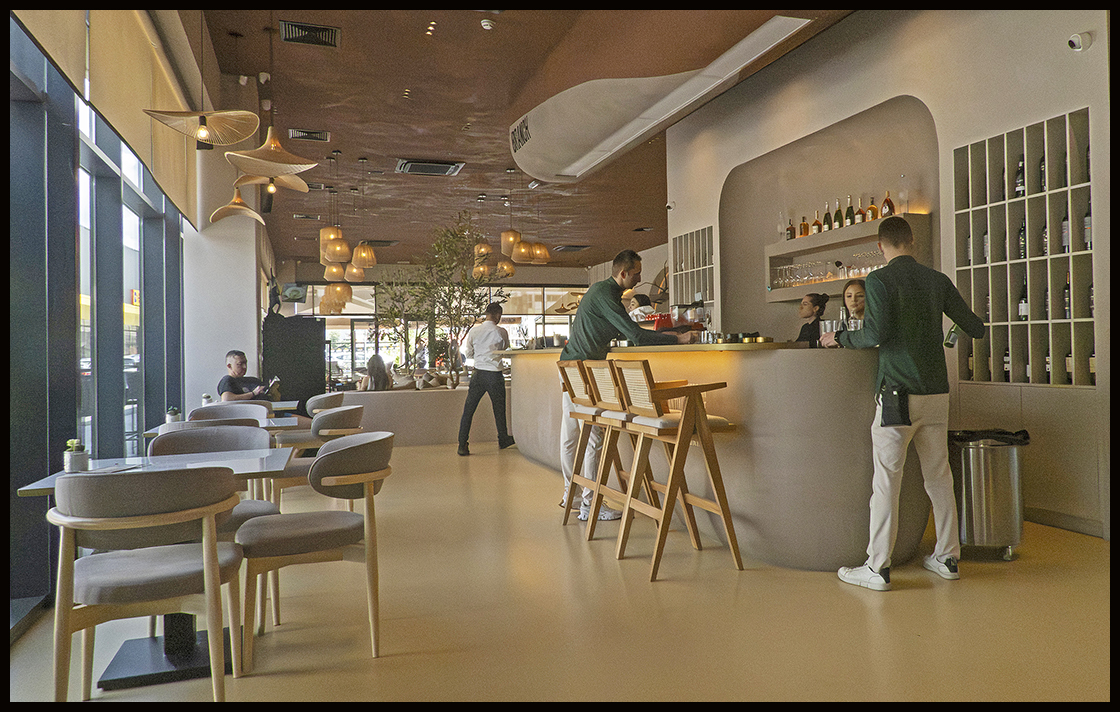
Inside the restaurant.
We pass through a small portion of the “breadbasket of Central Europe”, the Great Pannonian plain…a huge area covering parts of Austria, Slovenia, Hungary, Serbia, and Croatia. Long ago covered by an inland sea, the soil is rich and the area flat. Corn is used for animal feed, and for human consumption as corn bread and polenta.
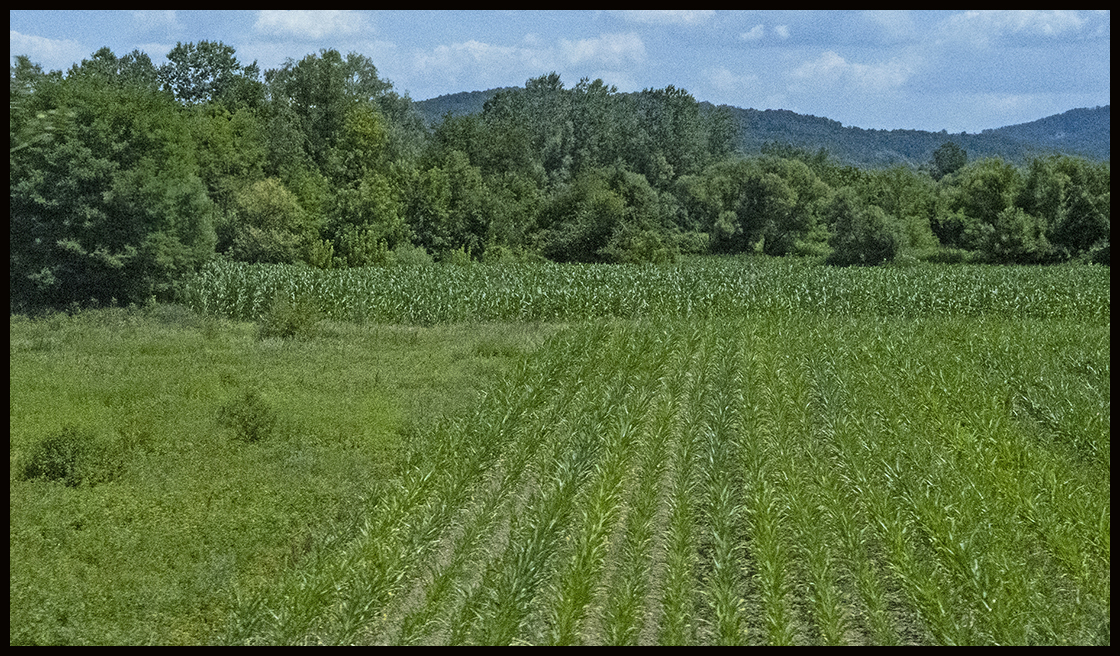
Corn fields
Other big crops are wheat, barley, sunflowers, sugar beets, potatoes, soybeans, tobacco and livestock (dairy cows, pigs and chickens). Vineyards produce wine.
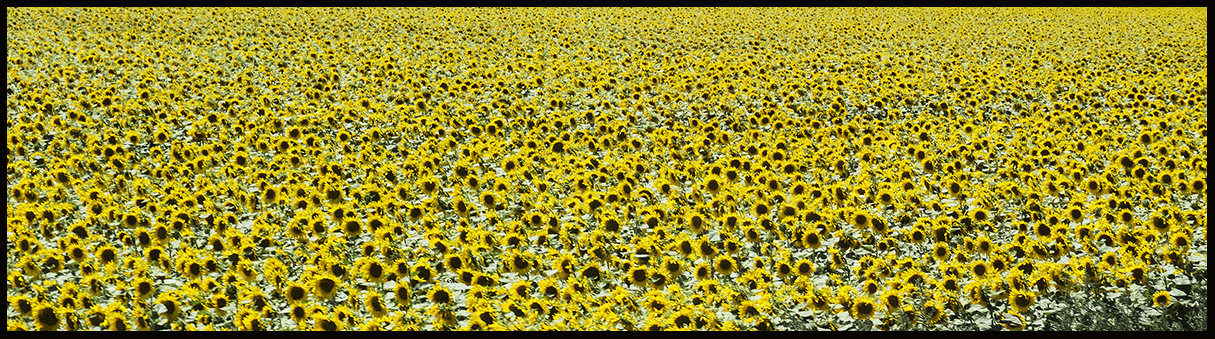
Sunflower fields stretched for miles.
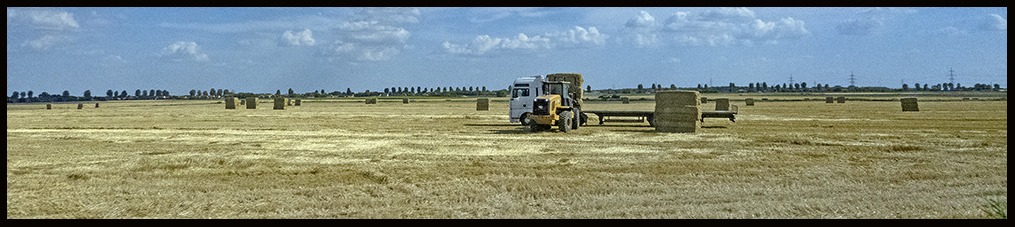
Hay fields
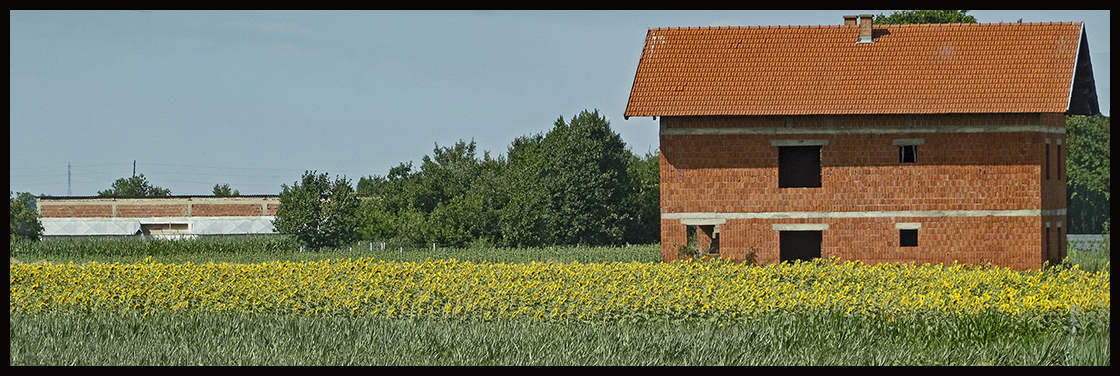
The Sava River is the border between Bosnia and the northern part of Croatia. Edges of the river are protected corridors for animals and flooding.
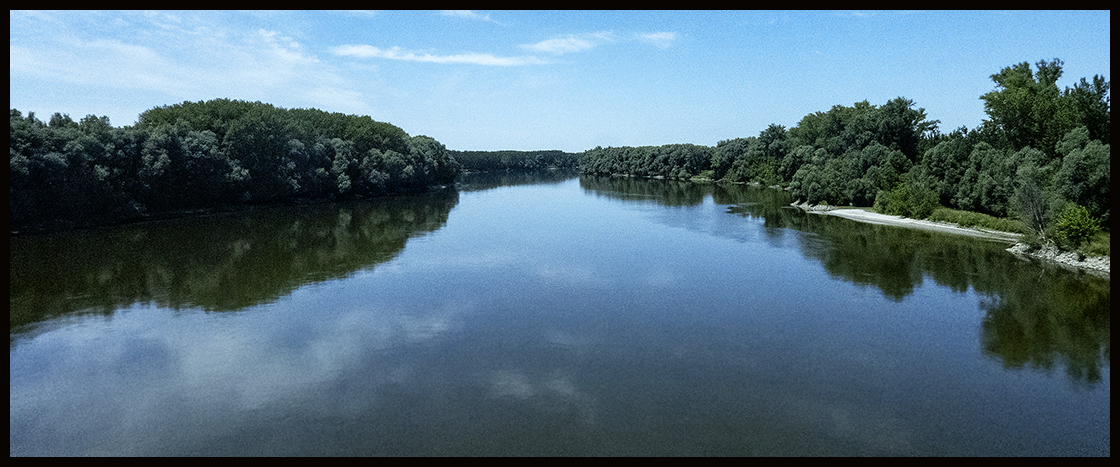
The Sava River from the highway bridge.
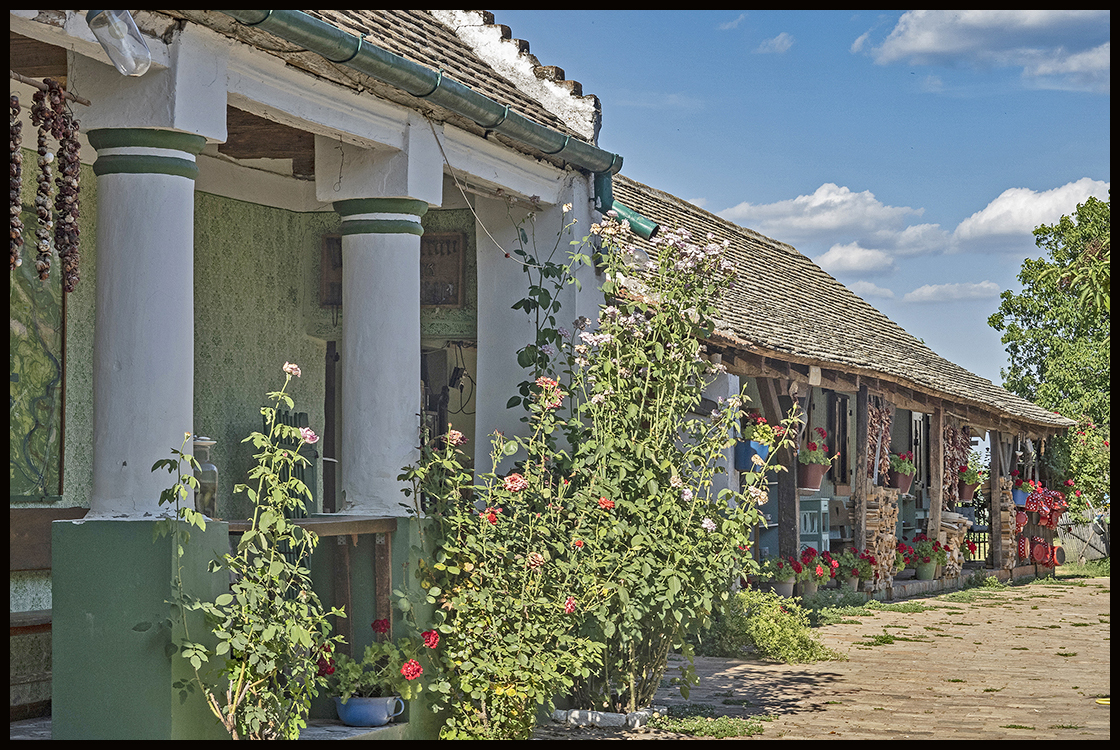
Our farm-stay host house. Judging from the other houses in Karanac, this is a typical farm layout.
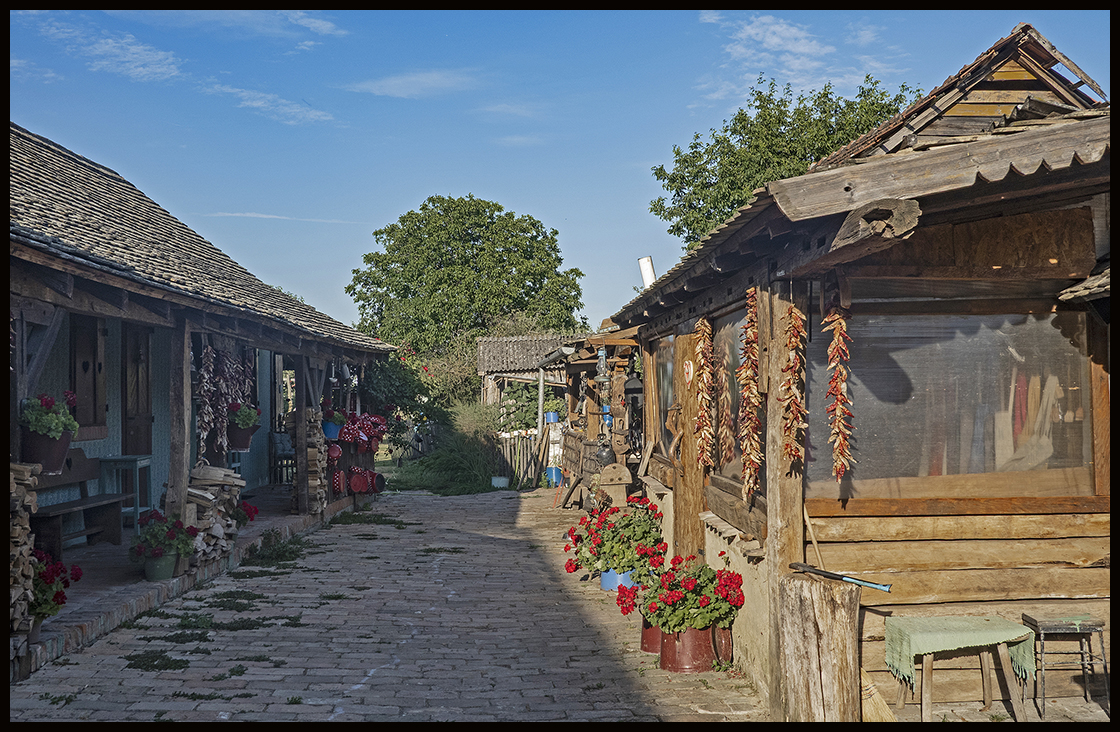
Other side of the house’s courtyard.
From the street, these farms look like a normal residential neighborhood. But the properties are narrow and very long, allowing many crops (like fruit orchards, and vegetable gardens, etc.) to be grown. Part of the reason for this arrangement is that property taxes are assessed by street frontage footage. Long and narrow makes a lot of sense.
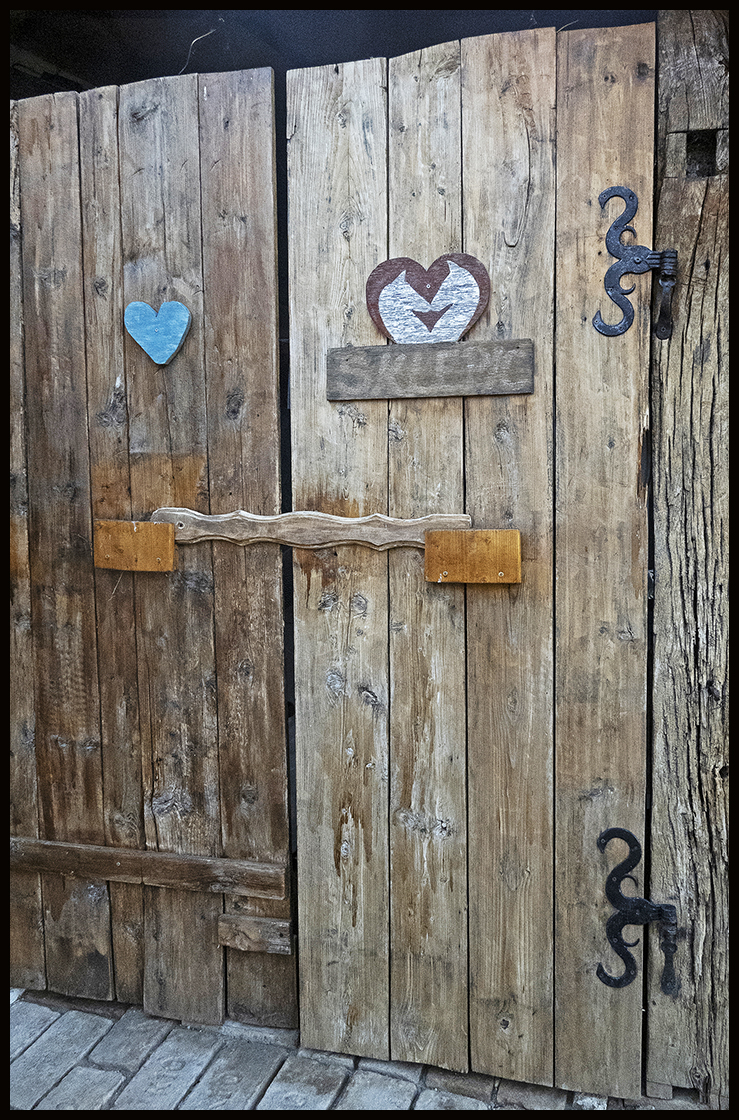
Homemade doors and hinges. Villagers are good craftsmen by necessity.
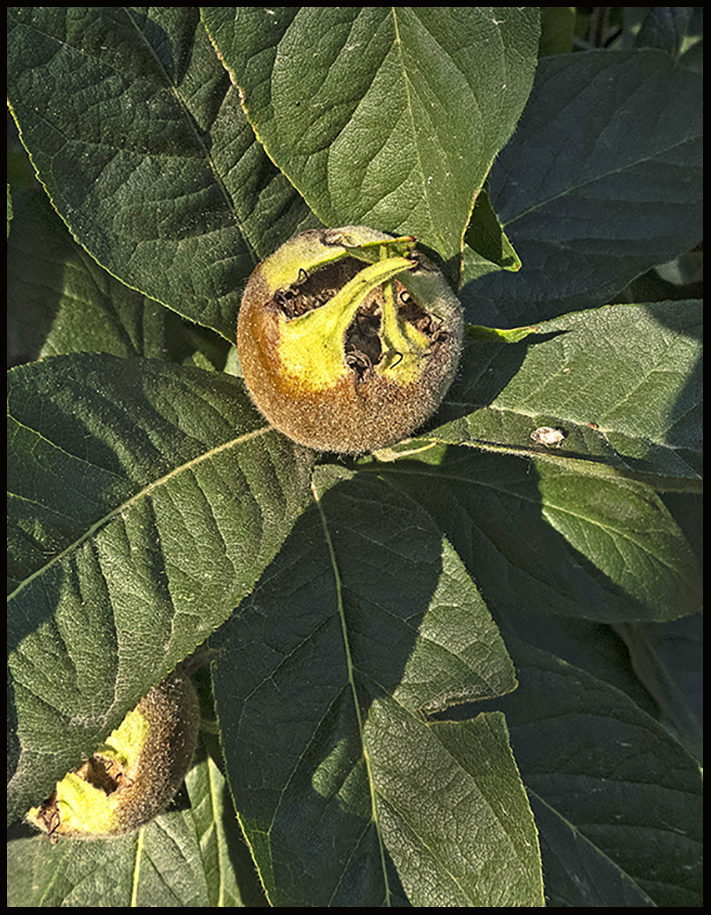
One crop I didn’t recognize…medlars. Grown in Roman times, they are not eaten until overripe…brown and mushy.
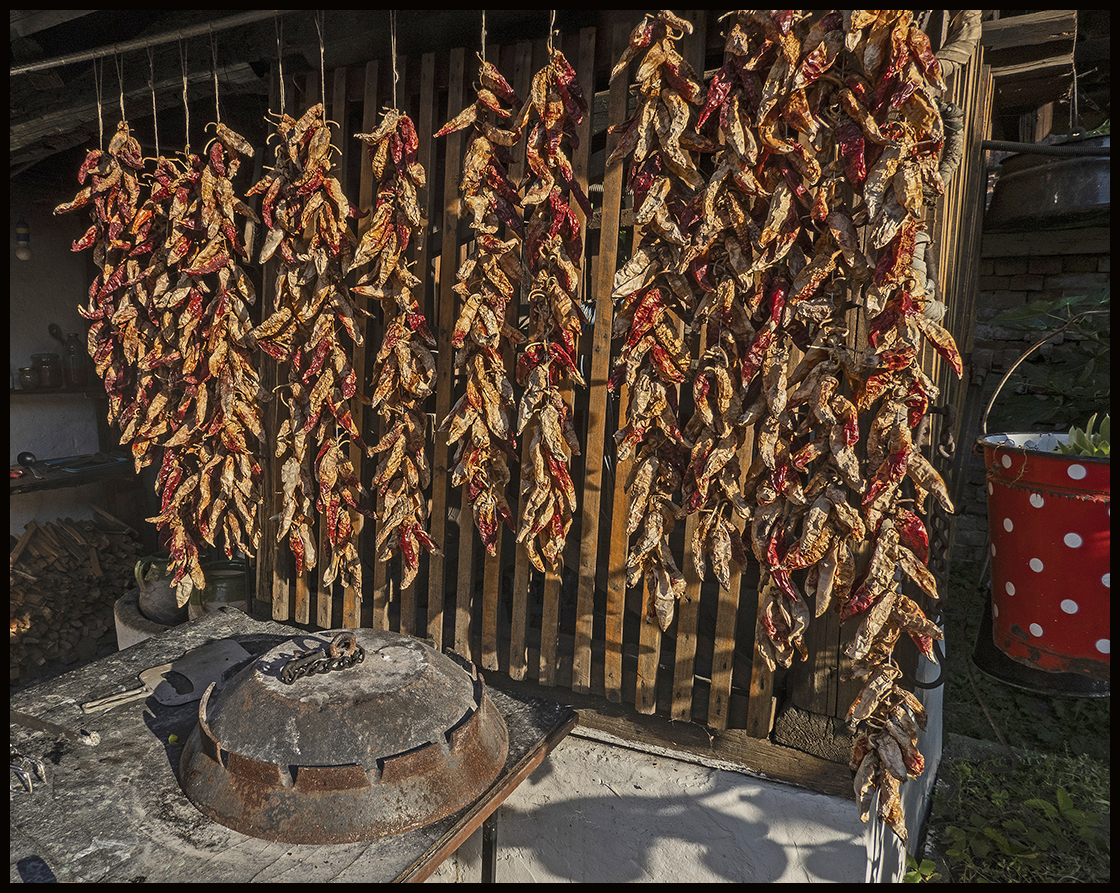
Drying chilies above an iron dome; a favorite local cooking technique. Food like meat, veggies, or bread cooks slowly under the bell-shaped iron lid buried in hot coals, creating juicy, flavorful dishes. Food in these countries isn’t heavily spiced.
We had dinner with a family in town. Our hosts, Anna and Dragon, told us the once prosperous town of 1500 had 3 busy churches. Now the population is 800. Young people are leaving because the EU offers better paying jobs and more opportunity for advancement. Budapest and Vienna are close.
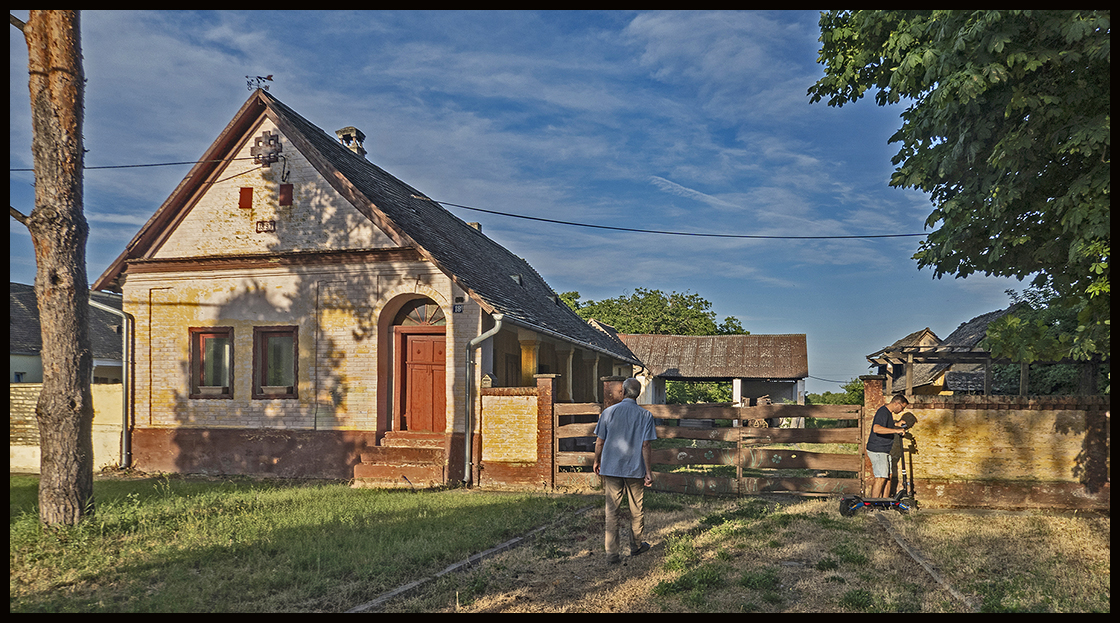
Anna and Dragon’s house. They are adding on to the back of the original house to make room for their family.
Out and about the next morning, we toured the town. There still seem to be two functioning churches, probably Protestant and Catholic. No big mosques visible in this part of Croatia.
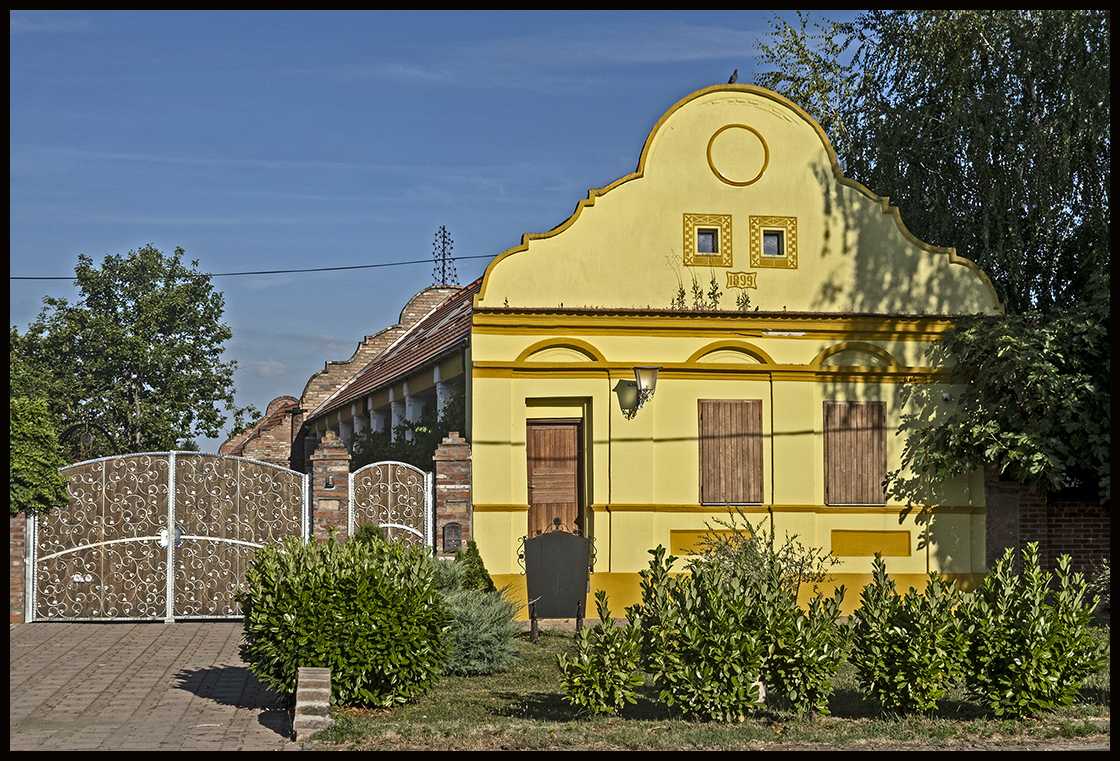
House across the street from our room. Built in 1899
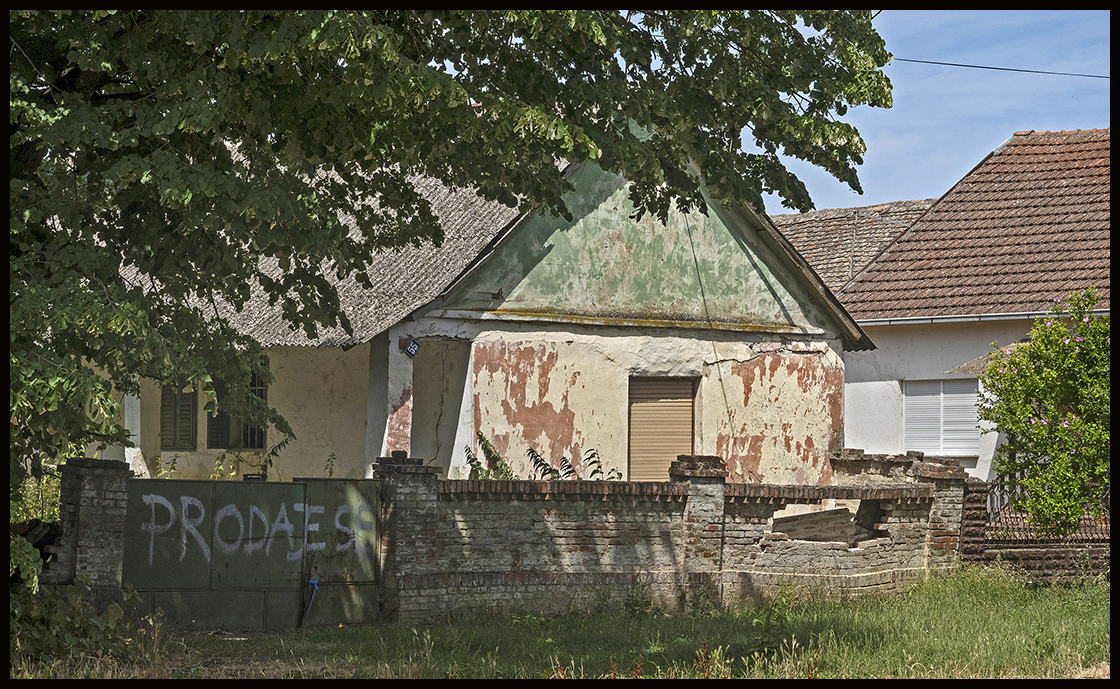
Another, house across the street, likely for sale.
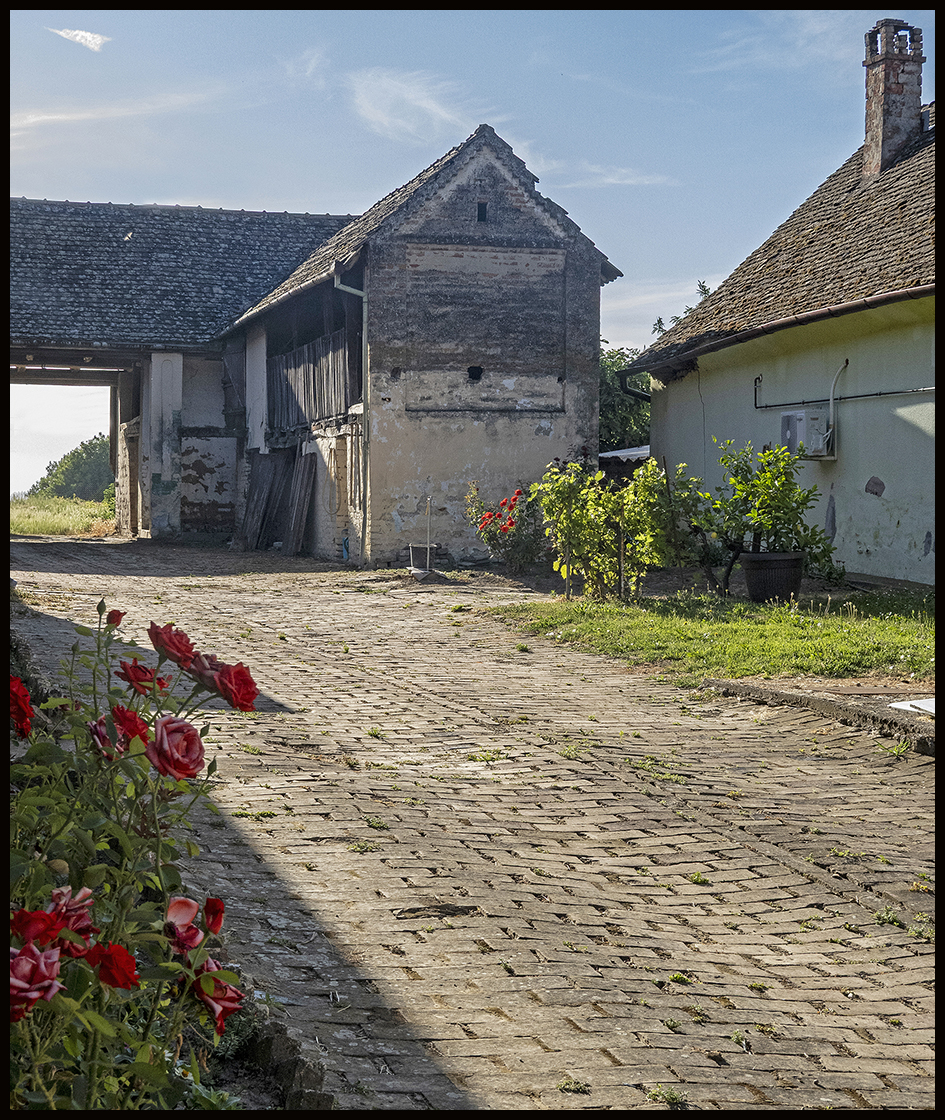
A barn and house in the typical narrow property alignment. Livestock are (were?) kept in these barns near the house.
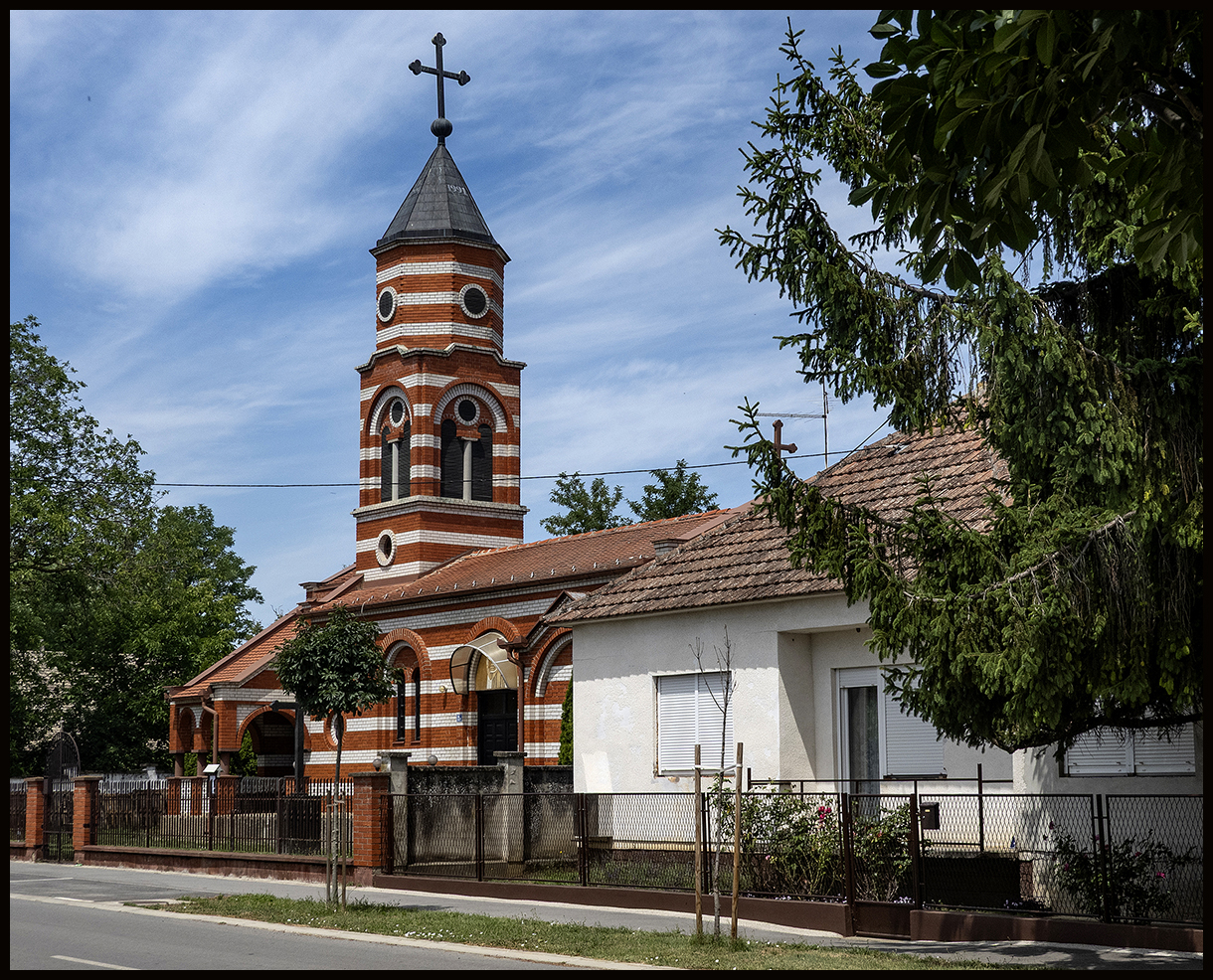
Church number 1
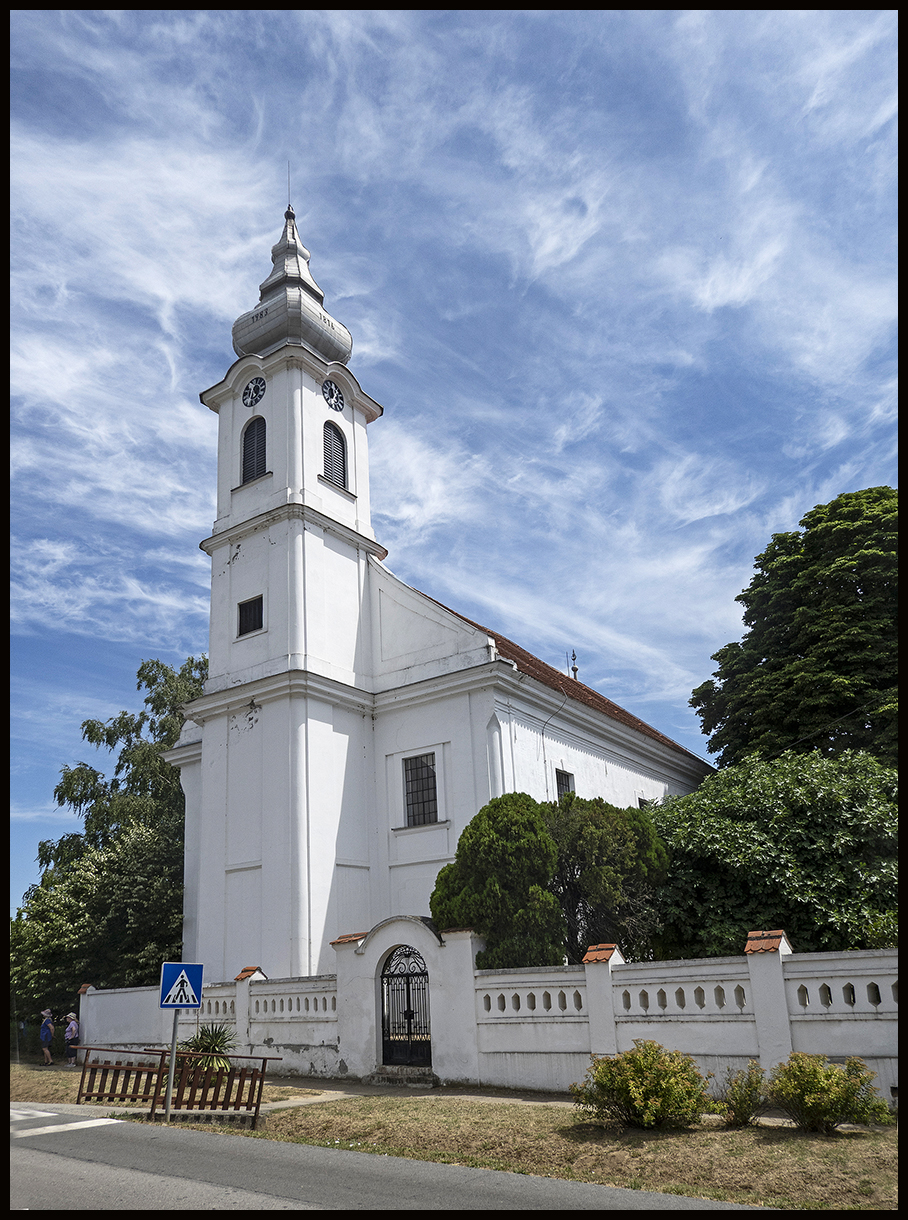
Church number 2
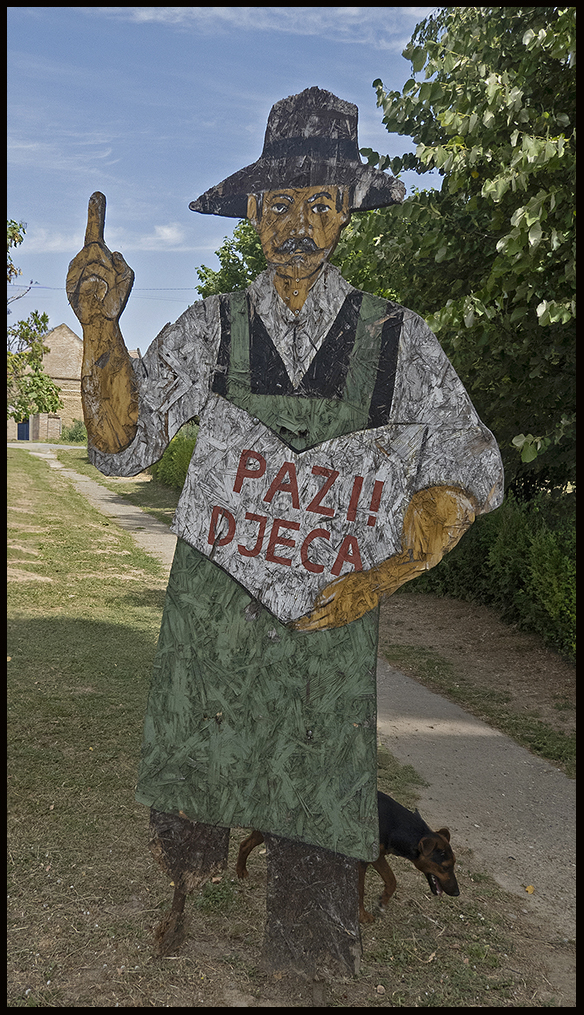
“Watch out for Children” sign
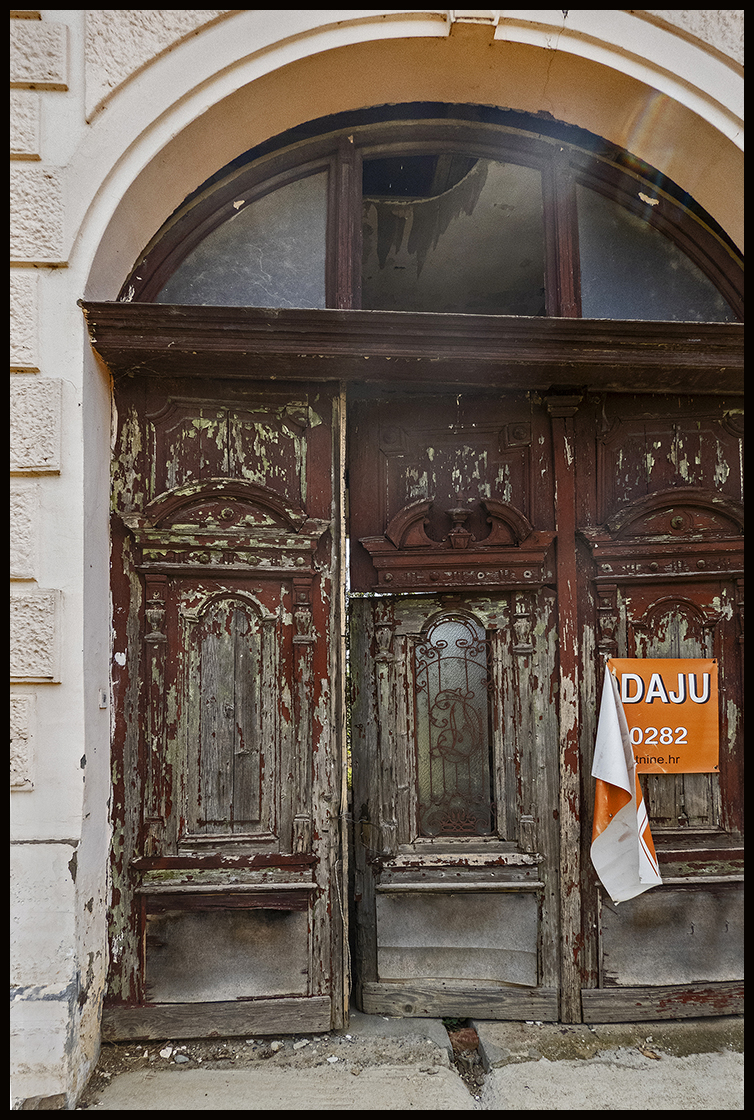
Has seen better days.
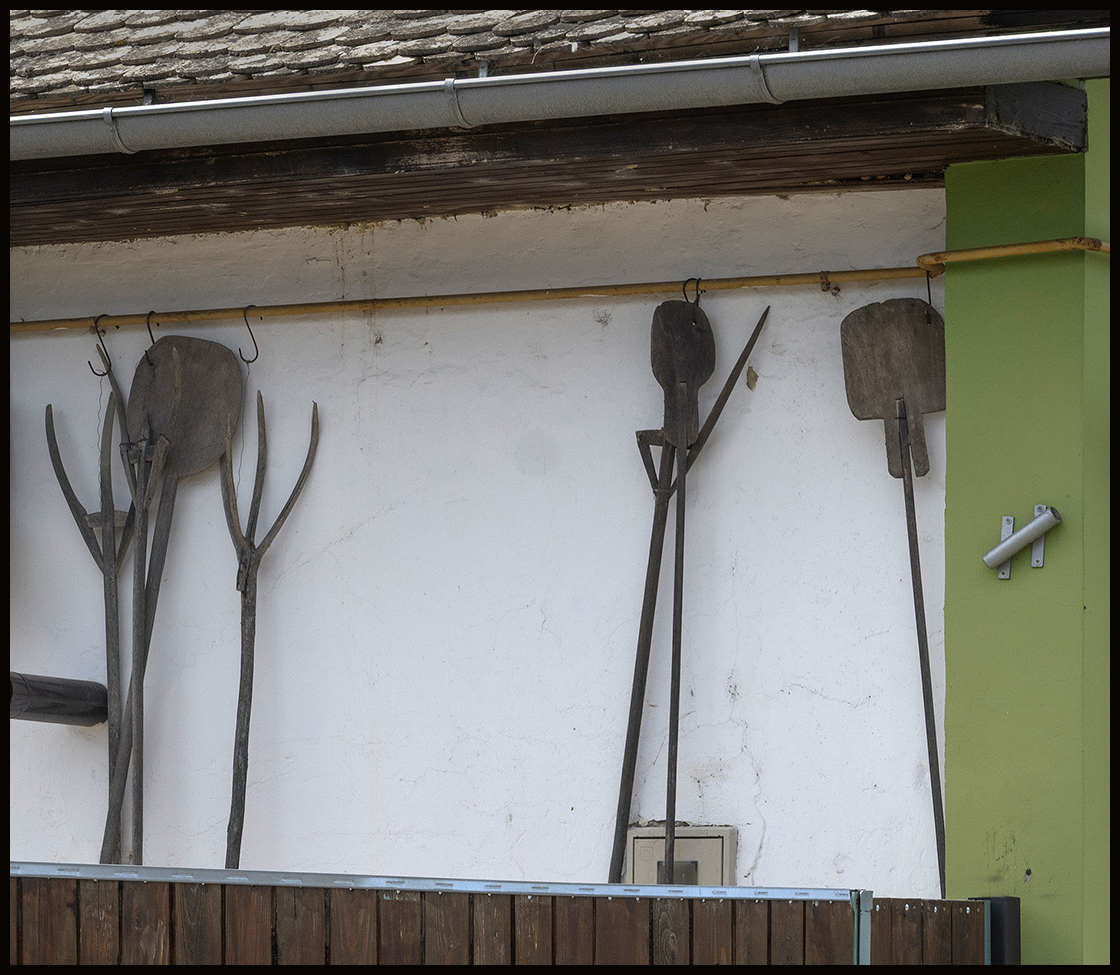
Homemade tools of the trade. It’s an agricultural area.
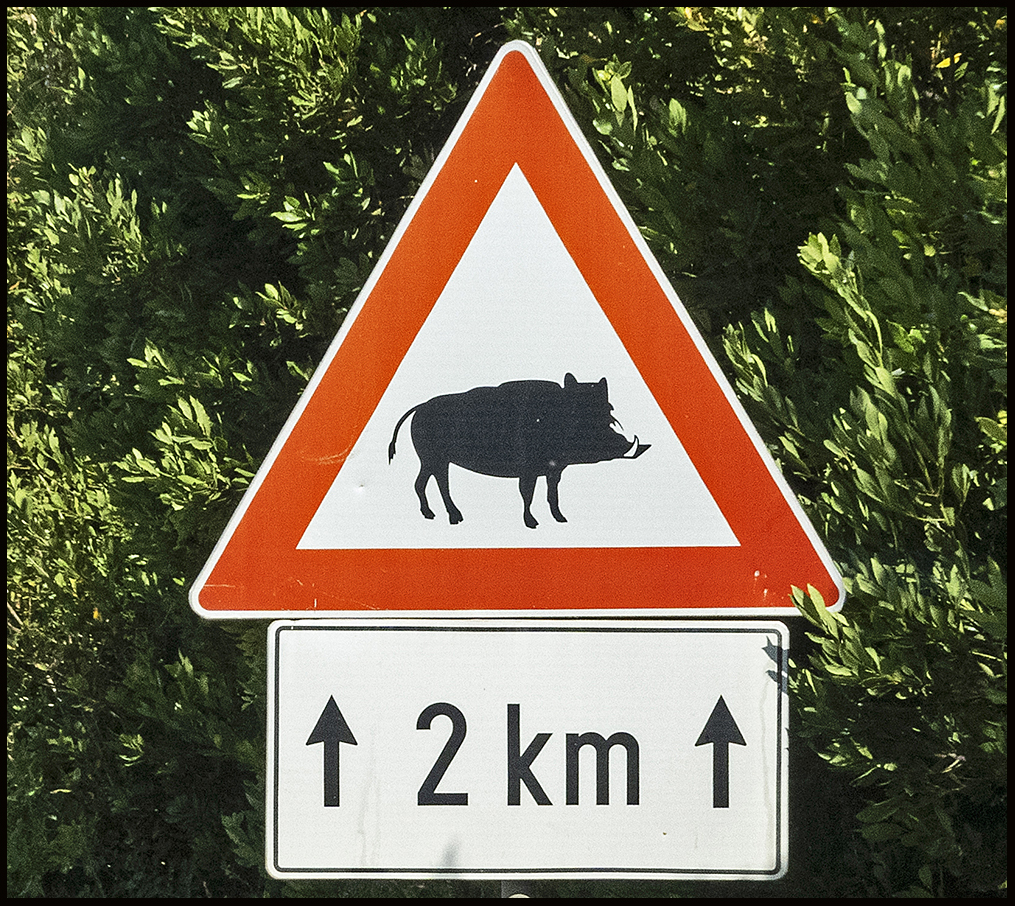
Next chapter I’ll delve into the Sarajevo saga. In the meantime, I leave you with this roadside warning sign that is common in the mountainous and forested areas. One that we would not see in the US.